Why the Right Litter Box Matters for Your Cat
Cats are instinctively clean animals, and litter tray avoidance is one of the most common behavioural issues reported by cat owners in Australia. According to veterinary behaviourists, the majority of cat litter tray problems stem from the wrong size, style, or placement of the tray, not from the cat itself.
The RSPCA recommends that multi-cat households follow the "n+1 rule": one litter tray per cat, plus one extra. A single cat household should have at least one litter box, ideally two, placed in quiet, low-traffic areas of the home.
Getting the litter box right from the start reduces stress for your cat and mess for you.
How to Choose the Best Cat Litter Box for Your Cat
Enclosed or open: which litter box is better?
This is the most common question cat owners ask, and the honest answer is: it depends on your cat.
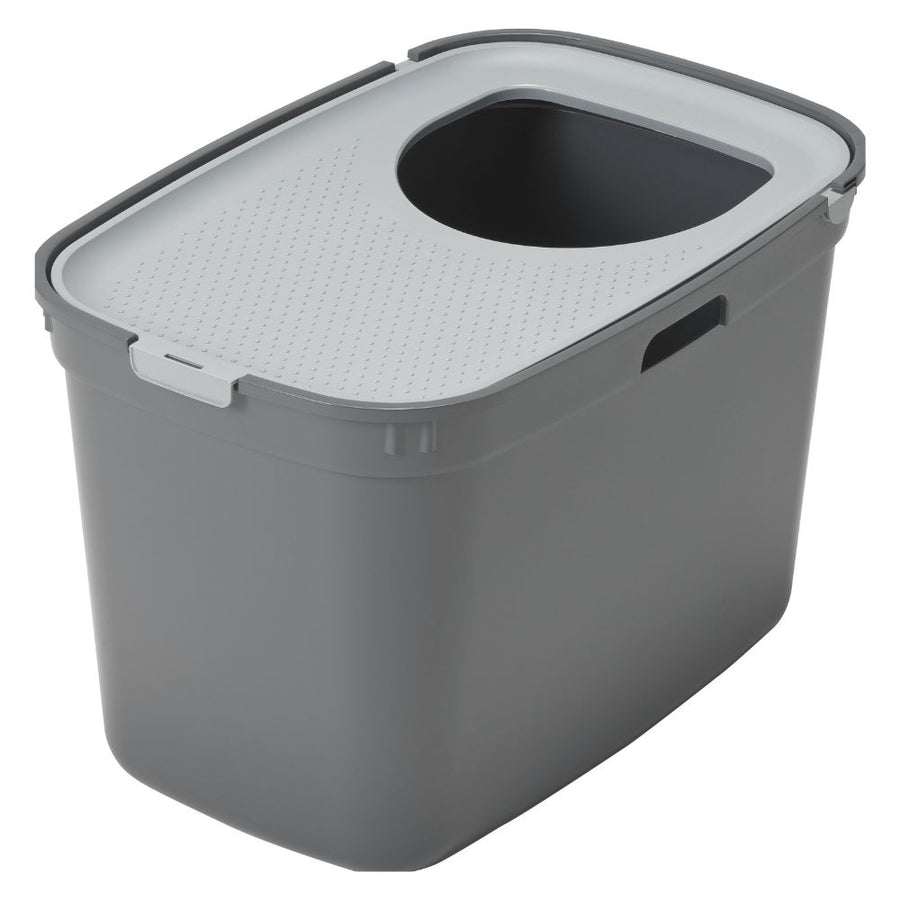
Anenclosed cat litter box (also called covered or hooded litter boxes) offer privacy for the cat and contain mess and odour more effectively. They suit cats that prefer a sheltered, den-like space for toileting. Our enclosed litter box range includes a free scoop and charcoal filter to manage odours. The main consideration is size; the enclosed kitty litter box needs to be large enough for your cat to turn around comfortably inside.
Open cat litter trays are easier to clean, better ventilated, and preferred by cats that dislike confined spaces or have mobility issues. They are also easier to monitor, which is useful for tracking your cat's toilet habits, an important indicator of health.
If you are unsure which your cat will prefer, veterinary guidance generally suggests starting with an open tray and transitioning to an enclosed option if mess or odour becomes an issue.
What size cat tray do I need?
Size is one of the most important factors in litter tray selection and one of the most commonly underestimated. As a rule of thumb, the ideal litter tray should be 1.5 times the length of your cat from nose to base of tail. Many standard-sized trays are too small for adult cats, which contributes to avoidance behaviour.
As a general guide:
- Kittens and small cats (under 4kg): A standard-sized kitty litter tray is sufficient, with lower sides for easy entry.
- Average adult cats (4–6kg): A standard to large litter box for cats with sides of at least 15cm.
- Large or senior cats (6kg+): A large or extra-large cat litter tray with lower entry points for ease of access.
Always check the internal dimensions (not just the external footprint) listed on each product page before purchasing.
What is a cat litter cabinet and do I need one?
A cat litter cabinet (also called cat litter box furniture) is a piece of household furniture designed to conceal a standard litter tray inside a decorative cabinet unit. From the outside it looks like a side table, storage unit, or decorative box. Inside, it houses the cat tray discreetly.
Cat litter cabinets are ideal for smaller homes, open-plan living areas, or owners who want the litter box accessible to their cat without it being visible to guests. Modern Pets stocks cat litter house and cabinet designs in neutral tones that complement most interior styles.
Things to consider before buying cat litter box furniture:
- Ventilation: The cabinet must allow adequate airflow to prevent odour build-up inside.
- Internal size: The litter tray inside must still meet your cat's size requirements.
- Entry point: The entry hole must be accessible for your cat's size and mobility level.
- Cleaning access: You should be able to open, clean, and change the tray easily from outside the cabinet.
Setting Up Your Cat Litter Tray Correctly
Where and how you set up your cat's litter box matters as much as which box you choose. Veterinary guidance consistently identifies poor placement as a leading cause of litter box avoidance.
Placement tips:
Place the litter box in a quiet, low-traffic area where your cat will not be startled or disturbed.
- Keep the box away from your cat's food and water bowls. Cats instinctively avoid toileting near their food source.
- In multi-storey homes, place at least one litter tray on each floor.
- Avoid placing the box inside a cupboard or enclosed laundry unless ventilation is adequate.
Litter depth:
Most cats prefer 5–8cm of litter. Too little and cats will scratch the bottom of the tray; too much can discourage use in some cats.
How often to clean:
Solid waste should be removed at least once daily. The full litter tray should be emptied, washed, and refilled at least once a week for open trays and every one to two weeks for enclosed cat litter boxes with odour filters.
Our Cat Litter Box Range at a Glance
Modern Pets stocks the Moderna range, a leading European pet accessories brand trusted by veterinarians and cat owners across Australia. The range covers:
- Open cat litter trays: Practical, easy to clean, suitable for most cats
- Covered cat litter box designs: Hooded options with charcoal filters and included scoops
- Enclosed kitty litter box models: Fully enclosed for maximum privacy and mess containment
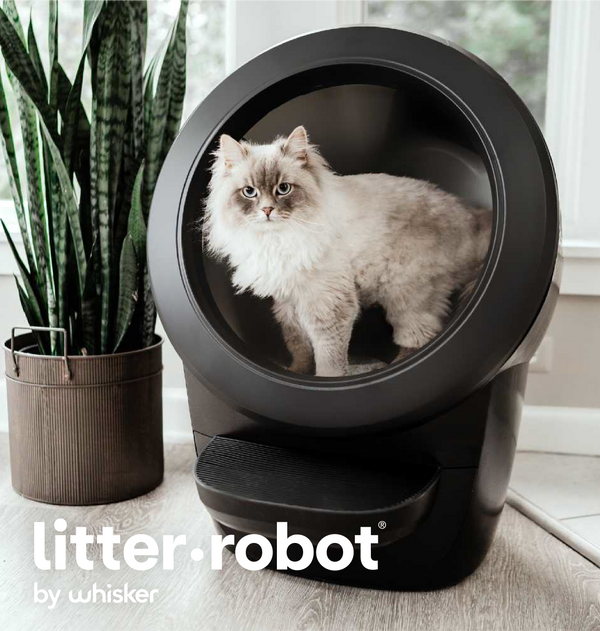
- Self-cleaning and scoop-free litter boxes:Automated options for low-maintenance households
- Large and extra-large cat trays: Designed for bigger cats or multi-cat households
In the Modern Pets range, we also sell cat litter cabinet and cat litter box furniture, which provide decorative concealment options for living areas. All products come with detailed size specifications, customer reviews, and clear descriptions of cleaning features on each product page.
Note: Veterinary and behavioural guidance on this page is provided for general information only. For persistent litter box avoidance or changes in your cat's toileting behaviour, consult your veterinarian, as these can be indicators of underlying health conditions.