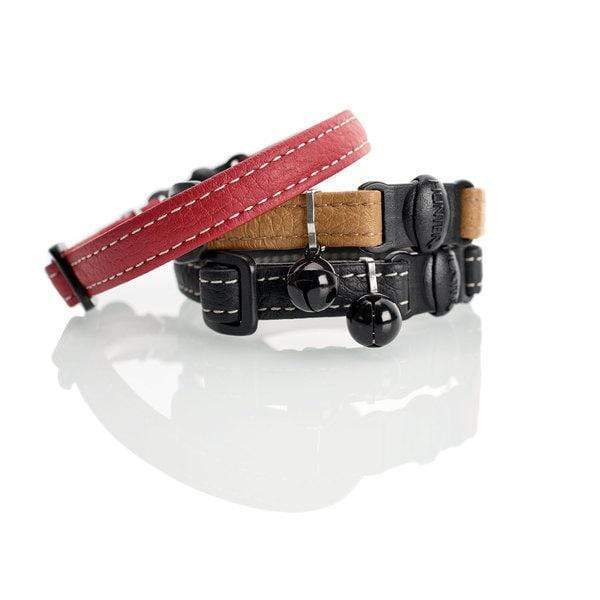
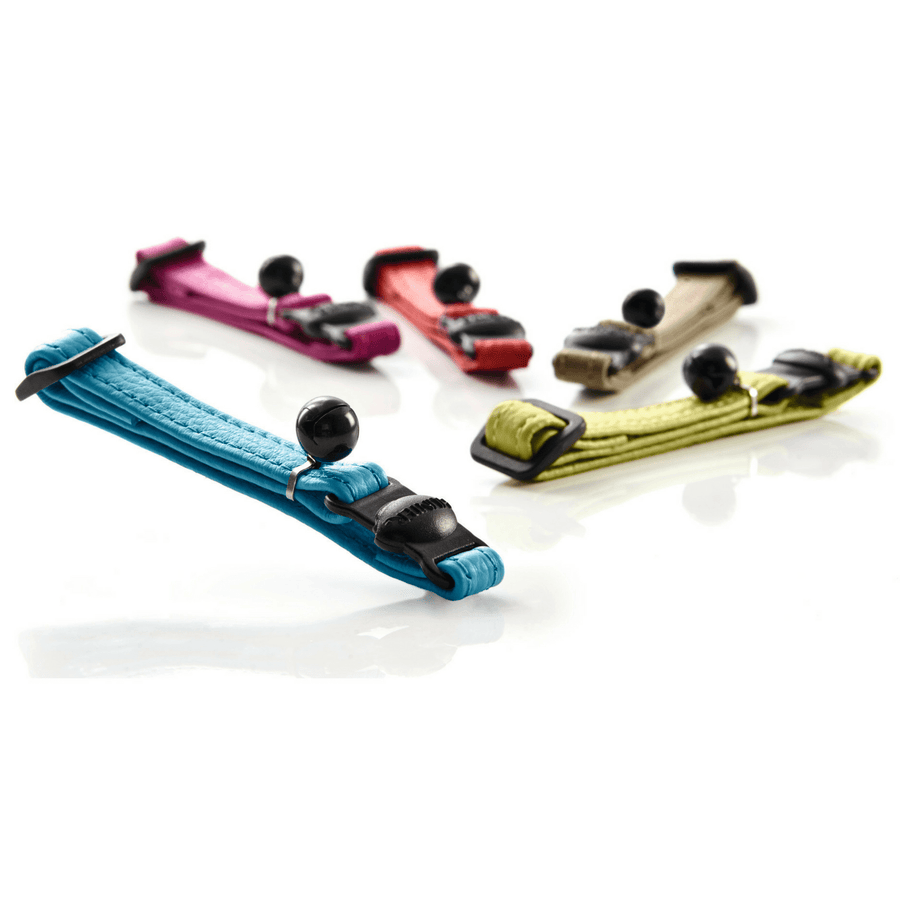
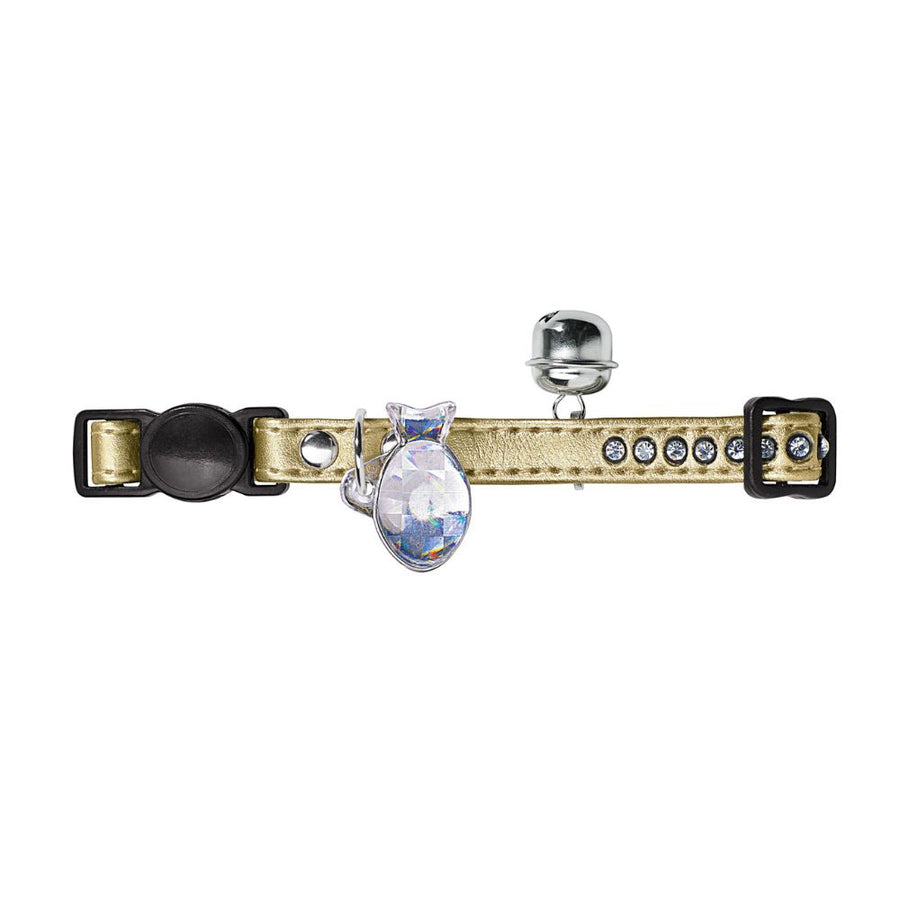
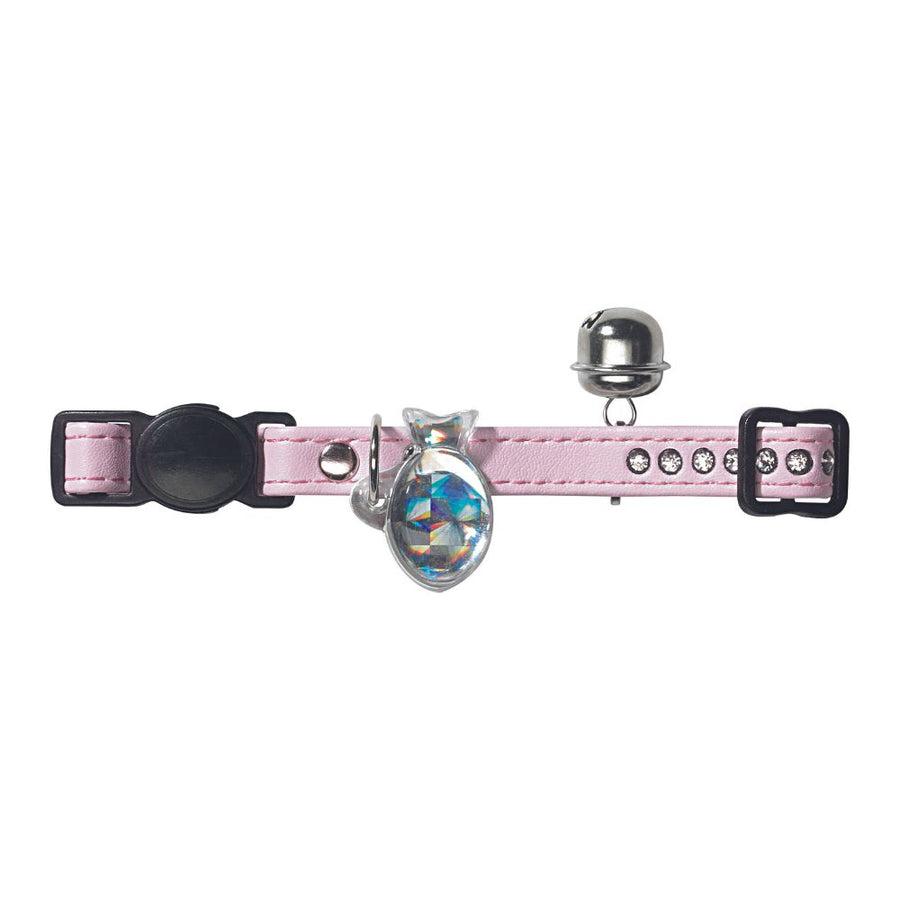
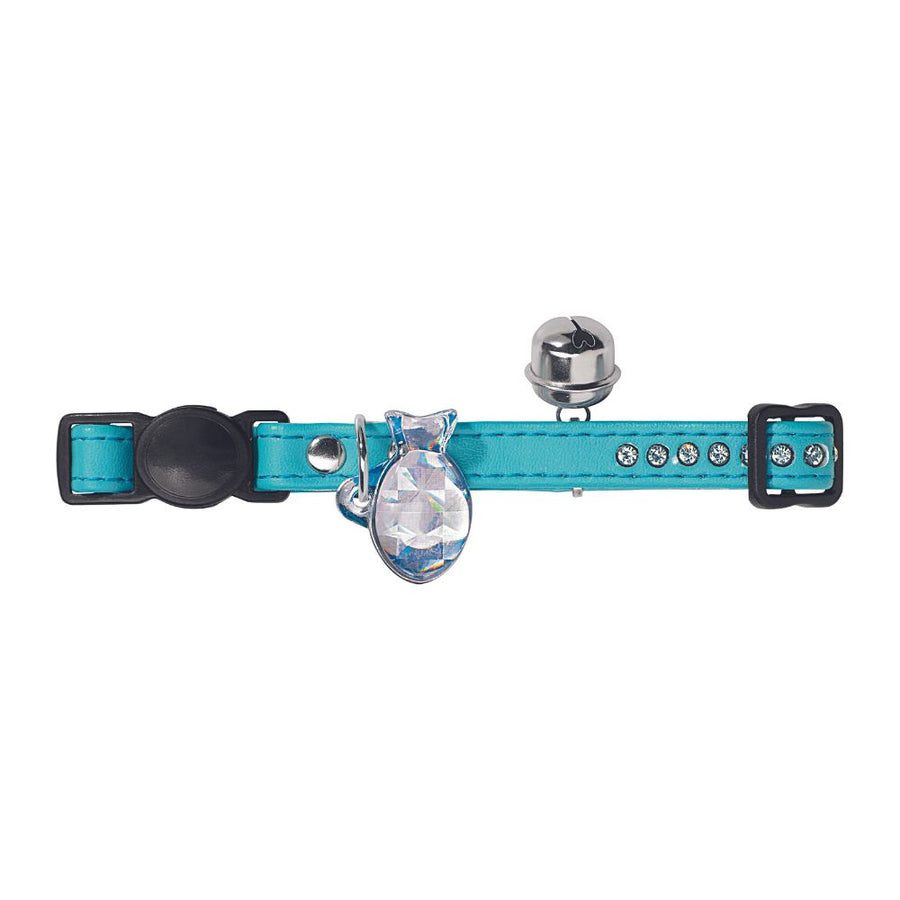
Modern Pets stocks a range of cat collar leather designs with free metro shipping on orders over $99.
Why Choose a Leather Cat Collar?
Durability
Leather outlasts most synthetic collar materials when properly cared for. A quality cat leather collar resists the scratching, pulling, and general wear that comes from an active cat's daily life, and maintains its structural integrity significantly longer than fabric or nylon equivalents. For owners who replace fabric collars frequently due to fraying or deformation, a leather collar is often a more cost-effective long-term choice despite the higher upfront cost.
Comfort and Fit
Leather softens with use. A new leather cat collar may feel slightly stiff initially, but with regular wear it moulds to the shape of your cat's neck and becomes progressively more comfortable over time; a quality that synthetic materials don't replicate. The smooth surface of finished leather is also gentle against skin and coat, reducing the friction irritation that rough fabric edges can cause in cats with sensitive skin.
Hygiene
Finished leather has a non-porous surface that resists the absorption of bacteria, moisture, and odours that can accumulate in fabric collars over time, particularly around the buckle and inner surface where skin contact is constant. A leather collar wiped down regularly stays cleaner and fresher than a fabric equivalent washed infrequently.
Aesthetic
A leather cat collar suits virtually any cat and any home aesthetic: the natural material and classic styling complement both short and long coats, and the neutral tones (natural tan, dark brown, black) suit any cat's colouring. For owners who value a collar that looks considered rather than purely functional, leather is the natural choice.
Safety: Breakaway Design Is Non-Negotiable
The single most important feature of any cat collar (leather or otherwise) is a breakaway or quick-release buckle. This applies to leather cat collars as much as to any other style, and it's worth stating clearly because leather collars are sometimes available with standard metal buckle closures that do not release under pressure.
Cats are natural climbers, and a collar that catches on a fence paling, tree branch, furniture edge, or another cat's claw during play creates a genuine strangulation and entrapment risk if the collar cannot release. A breakaway buckle pops open under sustained pressure, freeing the cat before serious injury occurs.
When choosing a cat leather collar, confirm that it includes a breakaway or quick-release mechanism, not just a traditional metal buckle. The aesthetic of a leather collar is no reason to compromise on the safety feature that most veterinarians and animal welfare organisations consider essential for any outdoor-access cat.
What to Look for in a Leather Cat Collar
Leather type and quality
Genuine leather: Made from actual animal hide, genuine leather is the most durable and develops the characteristic softening and moulding properties that make leather collars so well regarded. Full-grain and top-grain leather are the highest quality grades. Full-grain uses the outermost layer of the hide, which is the strongest and most durable, while top-grain is sanded for a more uniform appearance.
Bonded or faux leather: Made from leather scraps or synthetic materials, bonded leather looks like genuine leather initially but is significantly less durable; it tends to crack, peel, and delaminate with regular use. For a cat collar that will be worn daily and exposed to moisture and movement, genuine leather is the more reliable choice.
Width and weight
Cat collars should be narrow and lightweight. Wider, heavier collars designed for dogs are not appropriate for a cat's smaller neck and lighter build. A quality cat leather collar will be specifically proportioned for cats, typically 8–12mm wide, rather than being a miniaturised dog collar.
Hardware
Metal hardware (buckle, D-ring for ID tag attachment) should be stainless steel or brass rather than plated zinc. Cheaper plating corrodes with exposure to moisture, sweat, and outdoor conditions, eventually becoming rough and potentially irritating to skin. Check that the D-ring is large enough to comfortably hold an ID tag without the tag jamming or sticking.
Stitching and finishing
Check that stitching is tight and even with no loose threads. Loose threads on a leather collar can snag on coat or be chewed by a grooming cat. Edge finishing (burnished or painted edges rather than raw cut leather) reduces the likelihood of the leather edge drying out and cracking over time.
Sizing Your Leather Cat Collar
Correct sizing matters more for a leather collar than for a fabric one. Leather is less forgiving of a poor fit, since it doesn't stretch or compress the way fabric does.
How to measure your cat for a leather collar:
1. Measure around your cat's neck at the point where the collar will sit - the base of the neck, where a collar naturally rests
2. Add enough allowance for two fingers to fit comfortably between the collar and the neck. This is the standard fit check for any cat collar
3. Compare your measurement plus allowance against the collar's stated size range, and choose a size where your measurement falls in the middle of the range rather than at either extreme
Recheck the fit periodically, particularly if your cat gains or loses weight, or if you notice the collar sitting differently than it did when first fitted.
Caring for a Leather Cat Collar
Leather requires modest but regular maintenance to maintain its suppleness and longevity:
Regular cleaning: Wipe the collar with a slightly damp cloth to remove dirt, oils, and surface debris. Allow to dry naturally; do not accelerate drying with heat.
Conditioning: Apply a small amount of leather conditioner every few months to prevent the leather from drying out and cracking. Use a conditioner confirmed as safe for finished leather. Some conditioners are oil-based and can darken the leather or leave residue. A light application buffed in and allowed to absorb is sufficient.
Moisture exposure: Leather tolerates light moisture but should not be saturated repeatedly. If your cat regularly gets wet (outdoor cats in wet climates, cats that like water), dry the collar naturally after each exposure and condition more frequently.
Storage: If storing the collar long-term (e.g. if your cat is not wearing it), store in a cool, dry location away from direct sunlight, which can dry and fade leather over time.
A well-maintained leather cat collar can last significantly longer than a fabric equivalent - years rather than months with proper care.
Leather Collar vs. Other Cat Collar Materials
Durability
Leather: High; improves with age
Nylon: High; resists wear
Fabric/Cotton: Moderate; prone to fraying
Comfort
Leather: Softens with wear
Nylon: Consistent
Fabric/Cotton: Soft initially but can roughen
Hygiene
Leather: Good; non-porous surface
Nylon: Good; easy to wash
Fabric/Cotton: Moderate; absorbs moisture
Maintenance
Leather: Requires conditioning
Nylon: Minimal
Fabric/Cotton: Machine washable
Aesthetics
Leather: Classic and premium
Nylon: Functional
Fabric/Cotton: Varied
Cost
Leather: Higher upfront
Nylon: Low
Fabric/Cotton: Low to moderate
For daily-wear cat collars where longevity, comfort over time, and appearance matter, leather is the strongest overall performer despite the higher initial cost and modest maintenance requirement.
Note: Guidance on collar safety and fit is provided for general information. For cats with skin sensitivities, neck conditions, or significant collar resistance, consult your veterinarian.