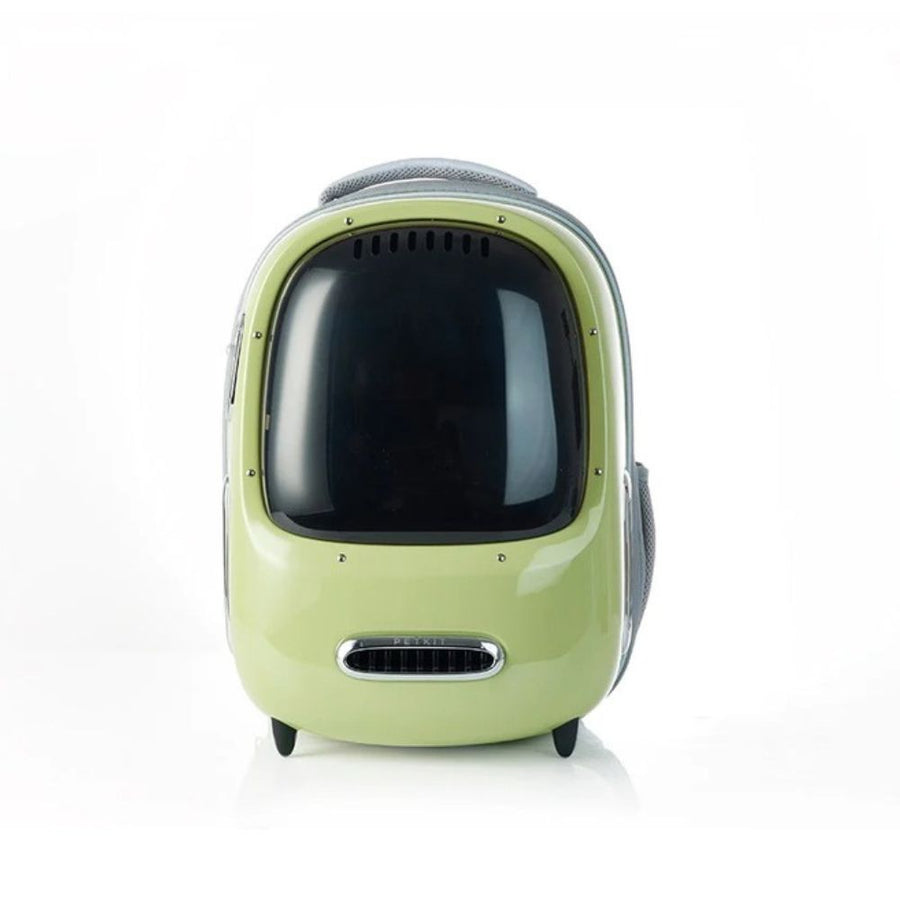
Modern Pets stocks a full range of cat carriers, including soft cat carrier designs, airline approved cat carrier options, large cat carrier and small cat carrier sizes, and collapsible cat carrier formats, with free metro shipping on orders over $99.
Why Every Cat Owner Needs a Carrier
Many cat owners only think about carriers when they need one - typically the night before a vet appointment, when it's too late to introduce the carrier positively. A carrier that your cat has never seen before, produced at short notice in a stressful context, is exactly the situation that results in the desperate scramble most owners have experienced at least once.
The solution is simple: keep your cat's carrier out and accessible as part of their normal environment. A carrier your cat has investigated, rested in, and associated with positive experiences becomes a neutral or even welcoming space rather than a stress trigger, making every future use significantly easier.
Beyond vet visits, a cat carrier is an essential emergency preparedness item. During bushfires, floods, or other evacuation situations, a cat that won't enter a carrier is a cat that cannot be safely evacuated. Having a carrier your cat is already comfortable with is one of the most practical things a cat owner can do for their cat's safety.
Types of Cat Carriers
Soft Cat Carrier Bags
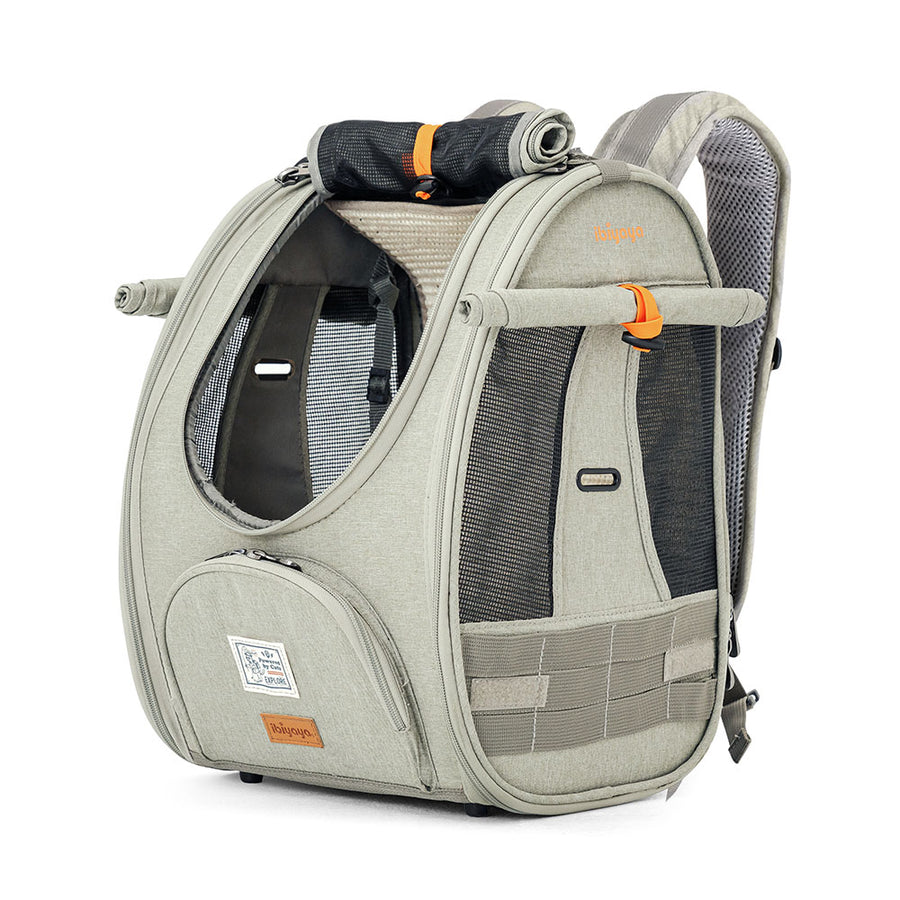
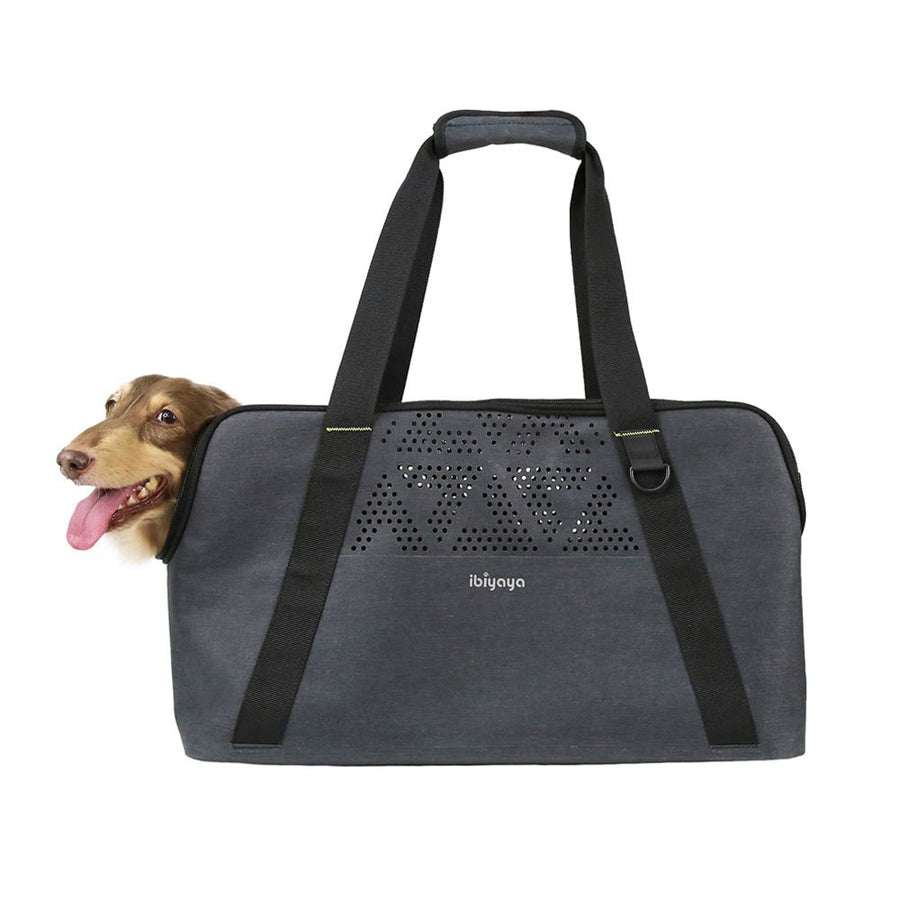
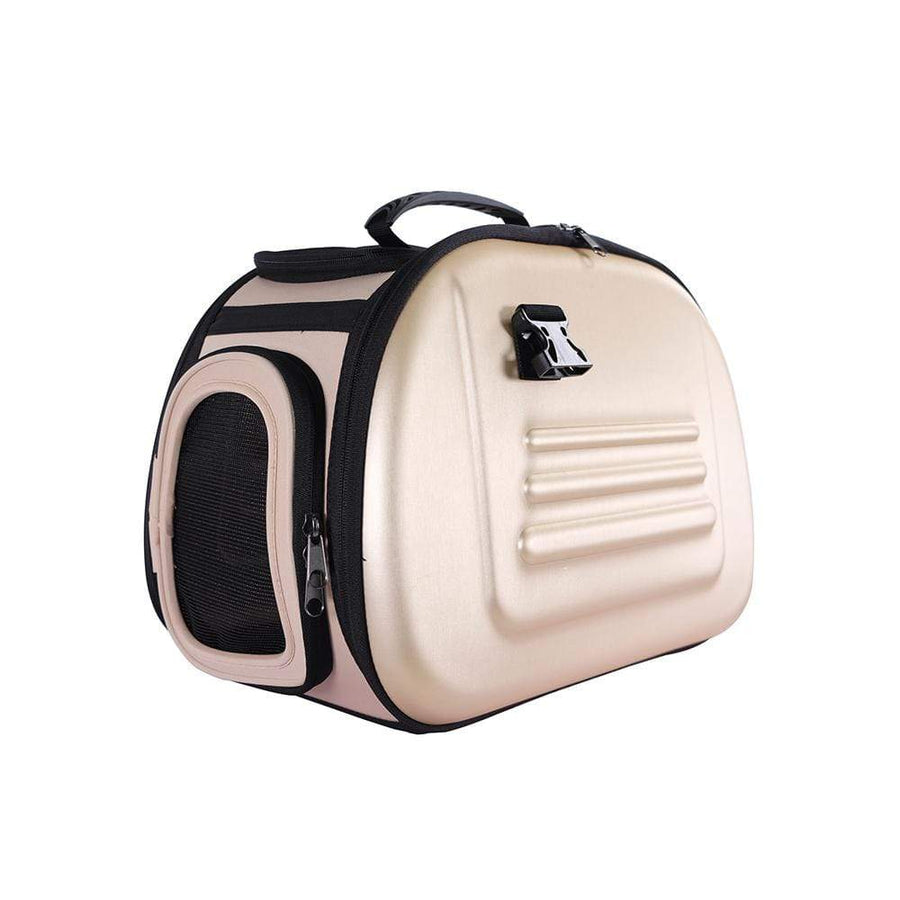
A soft cat carrier bag is the most versatile everyday carrier format: lightweight, flexible enough to fit under airline seats, and available with top entry, front entry, or both, making it easier to place an unwilling cat inside. Soft carriers typically have breathable mesh panels on multiple sides for ventilation and visibility, padded interiors, and carry handles plus a shoulder strap for flexible transport.
A cat carrier bag is the standard choice for vet visits, short car trips, and public transport. For cats that prefer the security of an enclosed space, soft-sided bags with a collapsible top or extendable section give cats the option to emerge partway without being fully out of the carrier.
Collapsible Cat Carrier
A collapsible cat carrier folds flat when not in use, making it practical for storage and for cat owners who travel infrequently and don't want to dedicate permanent storage space to a rigid carrier. Despite being collapsible, quality designs maintain enough structure during use to provide a stable, secure interior.
Leaving a collapsible carrier out in its fully opened form between uses maintains its positive association with your cat. Fold it away only when not in use for extended periods.
Cat Sling Carrier
A cat sling carrier is a fabric sling worn across the body, keeping the cat close against the owner's chest or side while leaving both hands free. These suit cats that are comfortable in close physical contact with their owner and that aren't prone to attempting escape.
Cat sling carriers are popular for short outings, vet waiting rooms where a small, calming space is valuable, and for cats that find fully enclosed carriers more stressful than proximity to their owner. They are not suitable for cats that wriggle, scratch, or actively attempt to escape, as the containment is significantly less secure than a zipped carrier.
Backpack Cat Carrier
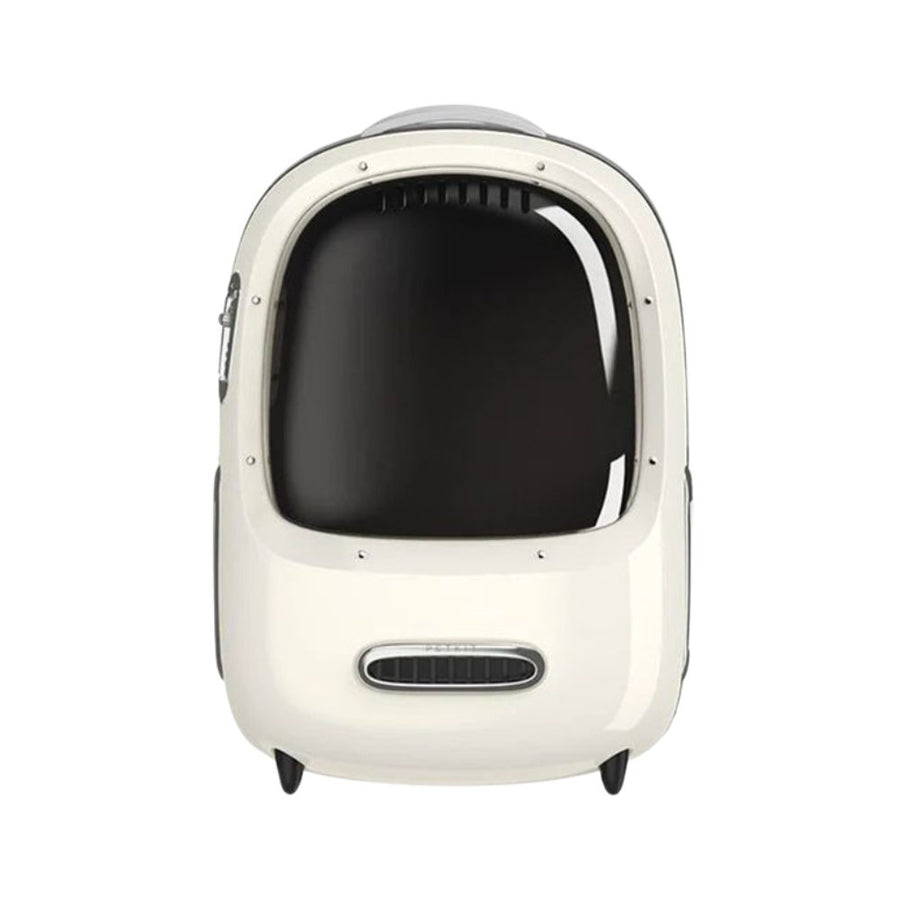
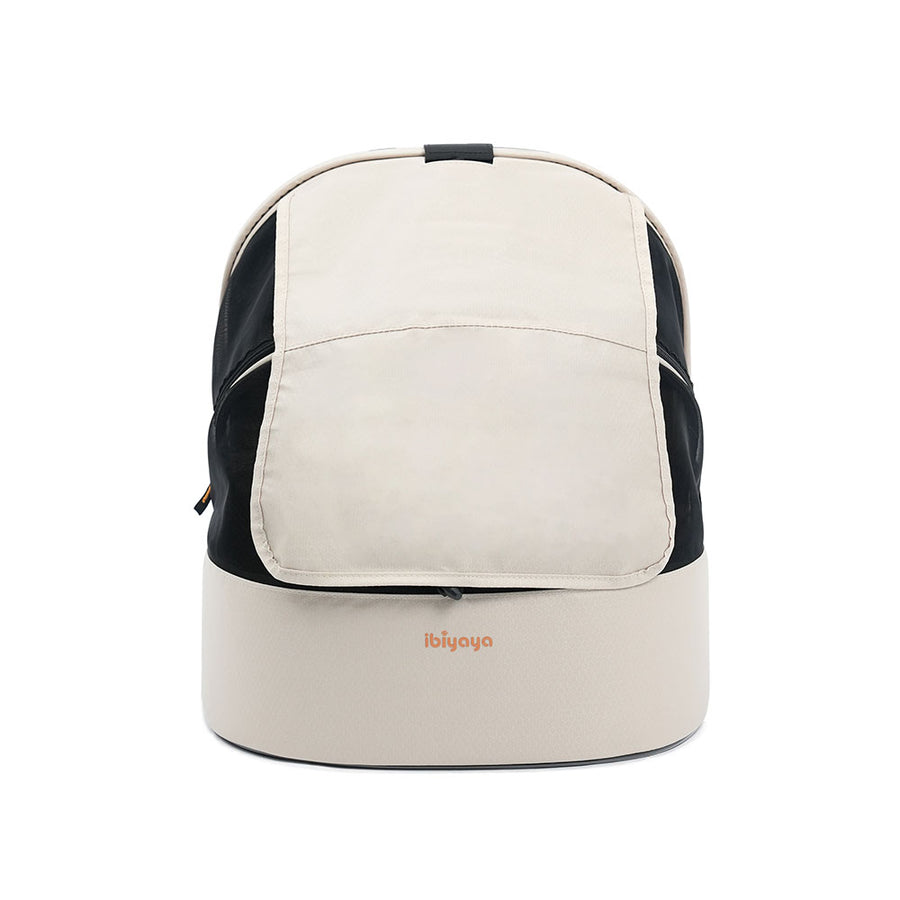
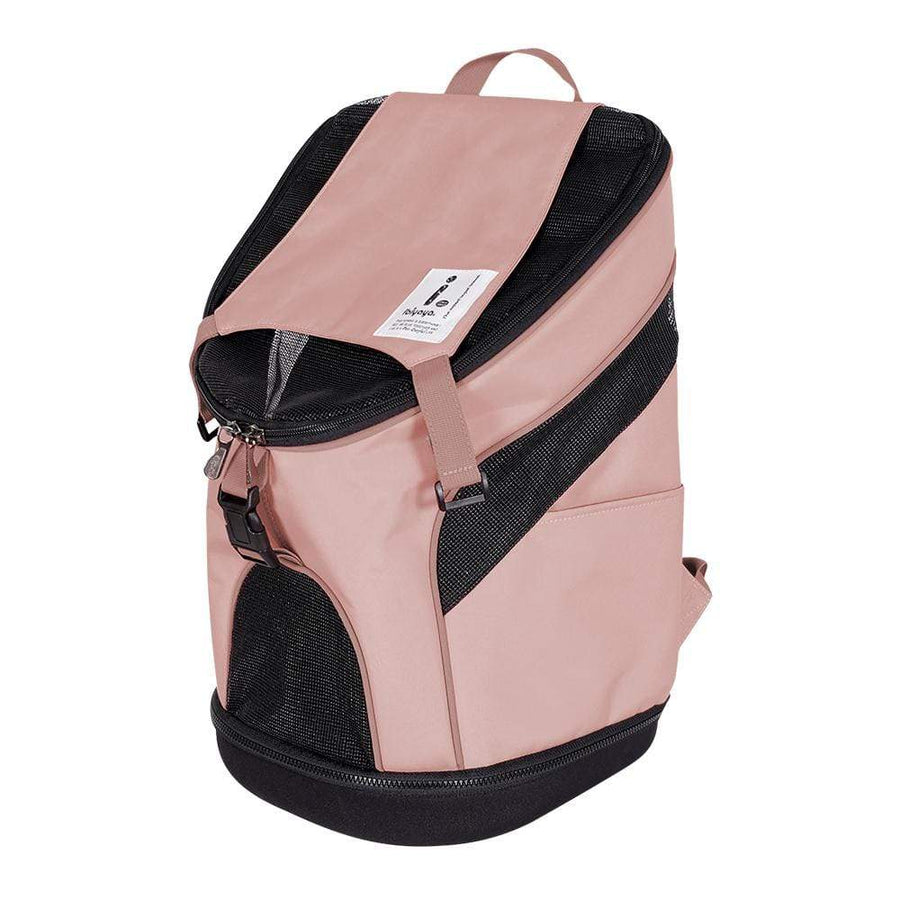
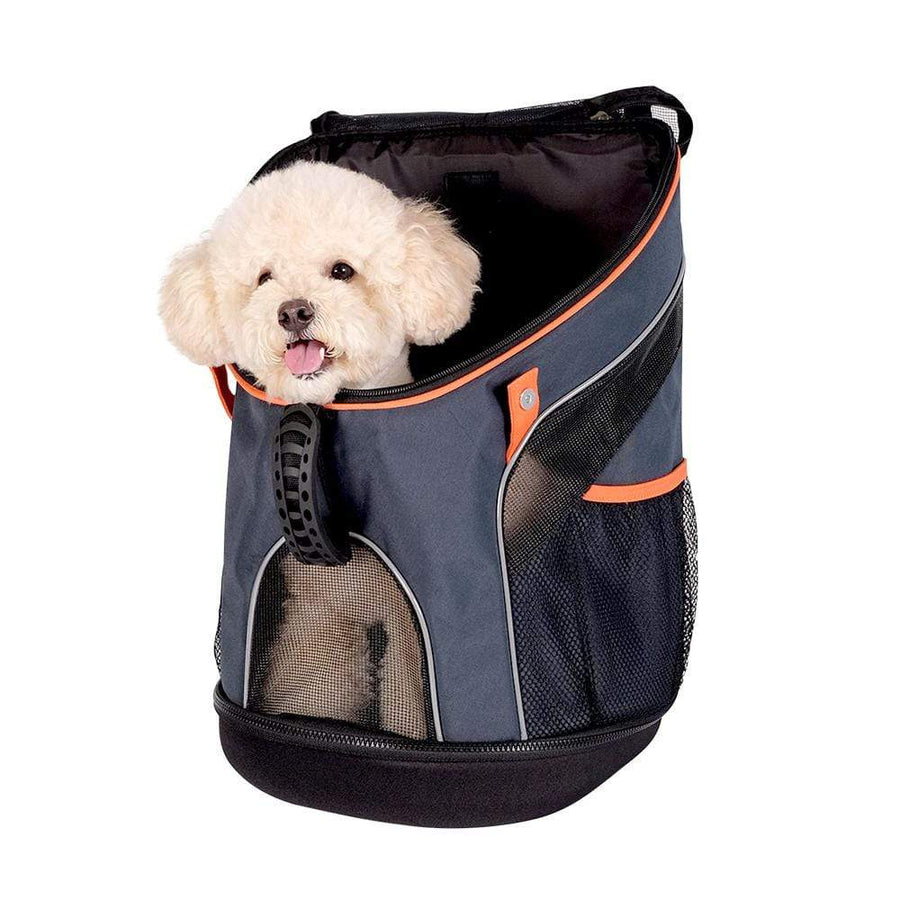
A cat backpack carrier distributes the cat's weight across both shoulders, making it significantly more comfortable for longer distances than a one-shoulder or hand-carry bag. Most cat backpack designs feature a bubble or mesh window at the front that allows the cat to observe their surroundings, which some cats find stimulating and others find overwhelming, so individual temperament is worth considering.
Backpack carriers suit active owners, urban commuters using public transport, or any situation where carrying a cat over distance with hands free is the priority.
Hard-Sided Cat Carrier
A hard-sided cat carrier provides a rigid, protective shell. This is more secure than soft carriers against external impact and the preferred format for cats that scratch or chew carrier walls.
Hard carriers are the required format for airline hold travel (see airline travel section below) and suit cats being transported in situations where physical protection from outside forces matters. The downside is that hard carriers are heavier than soft equivalents and don't flex to fit under seats or into tight spaces.
Large Cat Carrier
A large cat carrier suits bigger breeds (Maine Coons, Ragdolls, Norwegian Forest Cats, and similar), or any cat that needs more internal room for comfort during travel.
For a large cat, the standard sizing rule applies: the cat should be able to stand at full height, turn in a full circle, and lie fully stretched. A carrier that's technically "large" but still too small for a specific large cat provides none of the settling benefits of a correctly sized space. Always check the internal dimensions of any large cat carrier rather than the external footprint, as carrier walls can be surprisingly thick on structured designs.
Small Cat Carrier
A small cat carrier suits kittens, toy breeds, or any adult cat under approximately 4kg. Small carriers are lighter, easier to carry one-handed, and fit more readily into tight spaces: under aircraft seats, in overhead lockers, or on public transport. For a kitten's first carrier, a small, snug format often provides the den-like enclosed feeling that settles young cats more effectively than a larger, more open space.
Airline Approved Cat Carrier
An airline approved cat carrier meets the cabin size and ventilation requirements for in-cabin pet travel on commercial flights. Requirements vary by airline and aircraft type, but general Australian domestic airline requirements include:
- Dimensions: Soft-sided carriers must fit under the seat in front. Most Australian domestic carriers require a maximum of approximately 45 x 35 x 20cm, though dimensions vary by aircraft type and should be confirmed directly with your airline
- Construction: Soft-sided carriers only for in-cabin travel; hard-sided carriers are required for hold travel
- Ventilation: Adequate breathable mesh on multiple sides
- Weight: Combined weight of cat plus carrier typically must not exceed 7–10kg depending on the airline
- Waterproof base: Most airlines require a waterproof or water-resistant base
Important for air travel:
- Book your cat's in-cabin placement at the same time as your ticket. Most airlines allow only one or two pets per flight, and availability is very limited
- A health certificate from your veterinarian is required by some airlines and for some routes. Confirm at time of booking
- Your cat must remain inside the carrier for the entire flight
- Always confirm current requirements directly with your airline before purchasing, as policies change
For hold travel, a hard-sided carrier meeting IATA Live Animal Regulations is required: the carrier must allow the cat to stand, turn, and lie down, have adequate ventilation on all sides, and carry live animal labelling.
Cat Car Carrier: Australian Road Rules
In every Australian state and territory, cats must be properly restrained in a moving vehicle. An unrestrained cat in a car is both a safety risk as a cat moving around the cabin can distract the driver, and in most states it’s a fineable offence under road rules or animal welfare legislation.
A cat carrier bag or cat car carrier secured on the back seat with the seatbelt through the carrier's anchor loop is one of the most practical and compliant methods for cat car travel. Ensure the carrier is fixed and cannot slide or tip during braking, and do not place a carrier on the front passenger seat where an active airbag could cause injury in a collision.
How to Choose the Best Cat Carrier
Measure your cat first
The most common purchasing mistake with cat carriers is buying on external dimensions rather than internal measurements. The internal floor space must allow your cat to stand at full height, turn in a full circle, and lie fully stretched.
How to measure your cat for a carrier:
1. Measure height from the floor to the top of the head (or ears, whichever is taller) while standing
2. Measure length from nose tip to base of tail
3. Add 5–8cm to each measurement for a comfortable clearance allowance
4. Check against the carrier's stated internal dimensions, not the overall product dimensions
Match the carrier to the use case
Vet visits and everyday use
Recommended carrier type: Soft cat carrier bag with top and front entry
Air travel (in-cabin)
Recommended carrier type: Airline-approved soft-sided carrier meeting airline dimensions
Air travel (hold)
Recommended carrier type: Hard-sided carrier meeting IATA standards
Long-distance carrying and commuting
Recommended carrier type: Cat backpack carrier
Short outings and calm cats
Recommended carrier type: Cat sling carrier
Storage-conscious households
Recommended carrier type: Collapsible cat carrier
Large-breed cats
Recommended carrier type: Large cat carrier with verified internal dimensions
Kittens and small cats
Recommended carrier type: Small cat carrier with a snug, enclosed interior
Entry points matter
Top-entry carriers are easier for owners to lower a reluctant cat into (gravity assists the process) and often easier for vets to examine a cat inside without full removal. Front-entry carriers are more natural for cats to enter voluntarily. Carriers with both options give the most flexibility across different situations.
Introducing Your Cat to Their Cat Travel Carrier
The most important thing you can do for every future cat carrier experience is introduce the carrier positively, early, and without the pressure of an imminent trip:
1. Leave the carrier out permanently in a room your cat frequents. Place it in the area your cat already chooses for resting. Do not put it away between uses.
2. Add a familiar scent like a piece of your clothing, your cat's existing bedding, or a cloth wiped on your cat's face (where scent glands are located).
3. Placetreats and food near, then inside the carrier over several days. Gradually move the reward further inside until your cat is entering voluntarily to eat.
4. Close the door briefly once your cat is entering and resting inside for one to two minutes initially, extending gradually over several sessions.
5. Short practice trips before the real one: A five-minute car trip around the block builds positive association with vehicle movement before the first vet visit.
Most cats become comfortable with a carrier within one to two weeks of this approach. Cats that have had negative carrier experiences may take longer, so patience during the introduction phase pays dividends across every future use.
Note: Airline and road rule information is provided as general guidance and is subject to change. Always confirm current requirements directly with your airline and check road rules in your specific state or territory before travel.