Dog Car Accessories: What You Need and Why
Travelling safely with a dog in the car isn't just about comfort. In every Australian state and territory, road rules require dogs to be secured in a moving vehicle, and an unrestrained dog can be both a safety risk and a fineable offence. The right dog car accessories address safety and comfort together.
Restraints and Carriers
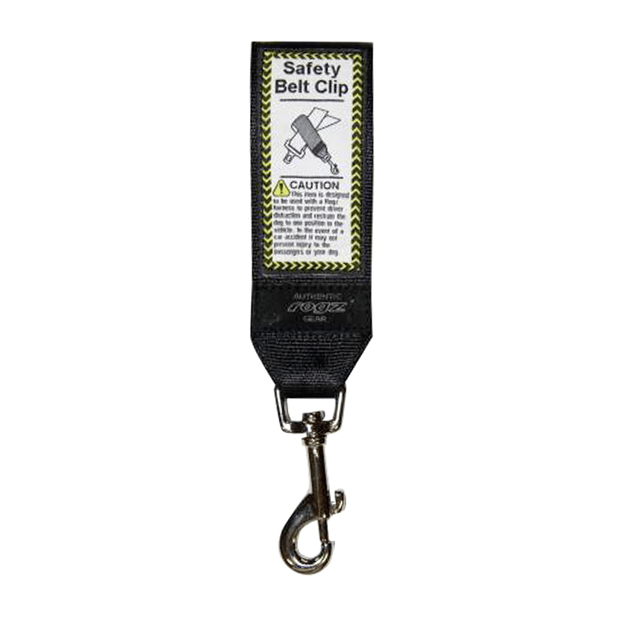
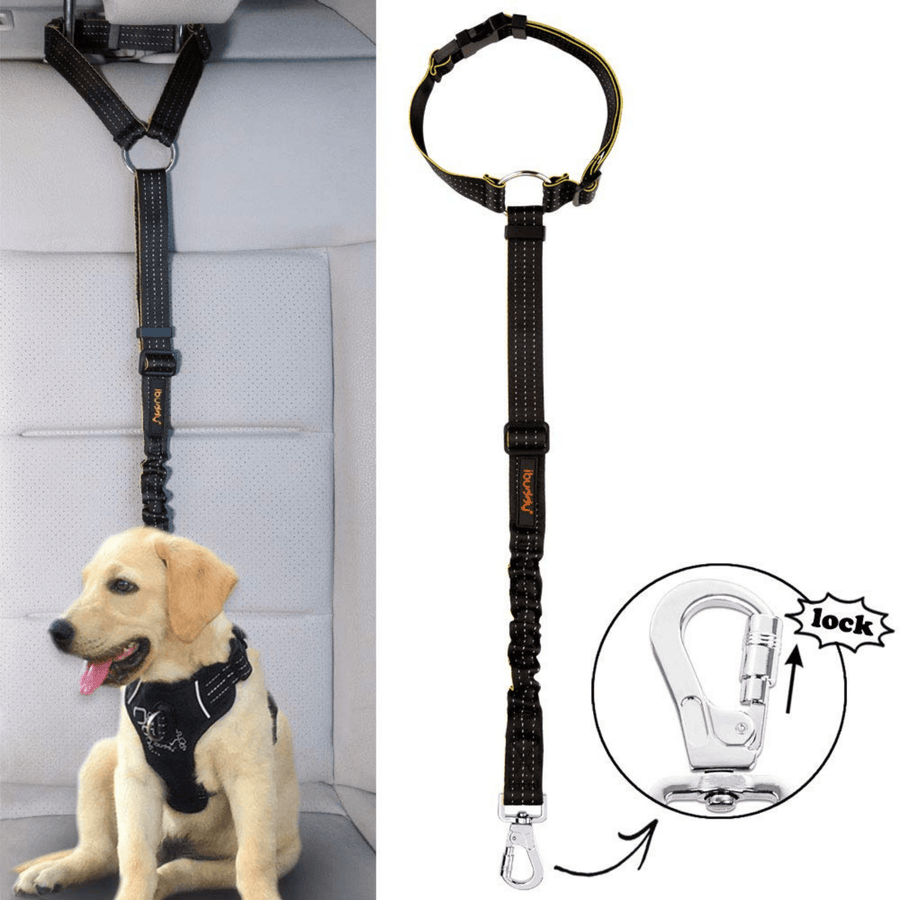
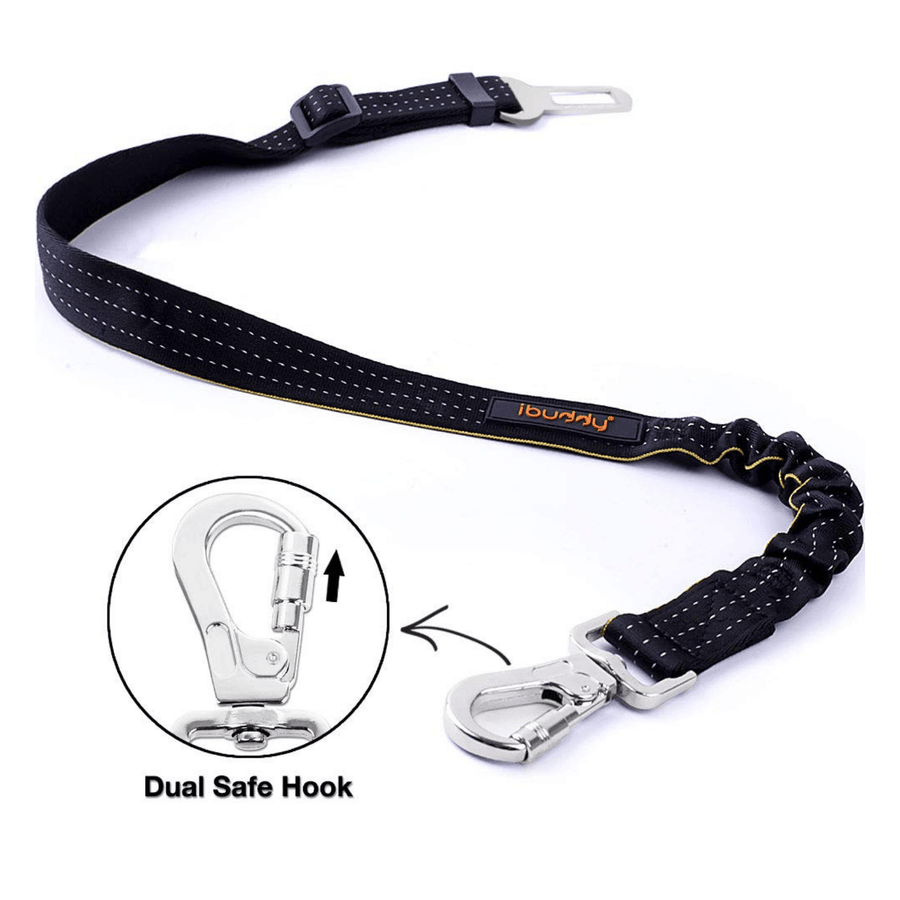
A secured carrier, a dog car seat, or a clip-on seatbelt harness keeps your dog safely in place during the drive. This is required by law in every Australian state, and the single most important dog car travel accessory you can own.
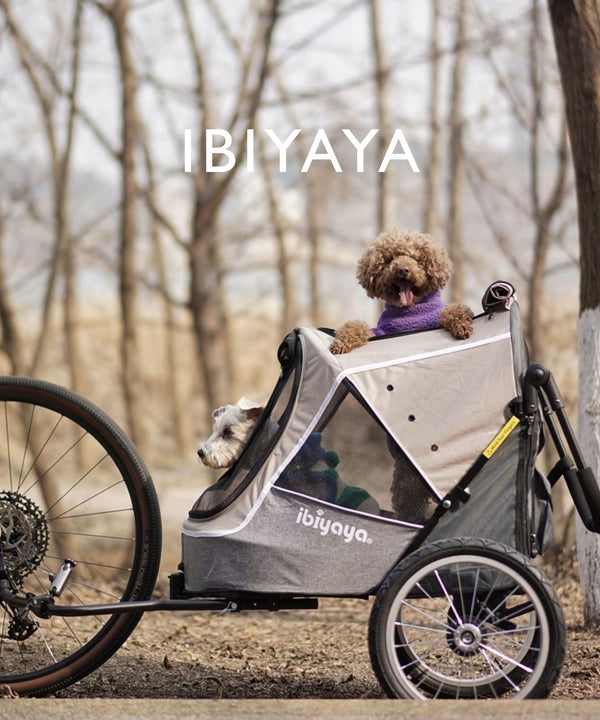
The right option depends on your dog's size: small dogs are often best suited to a carrier or booster car seat secured by the seatbelt, while a seatbelt harness attachment works well for medium and large dogs riding loose on the back seat. See our full range of dog carriers and dog car seats.
Car Seat Covers and Travel Mats
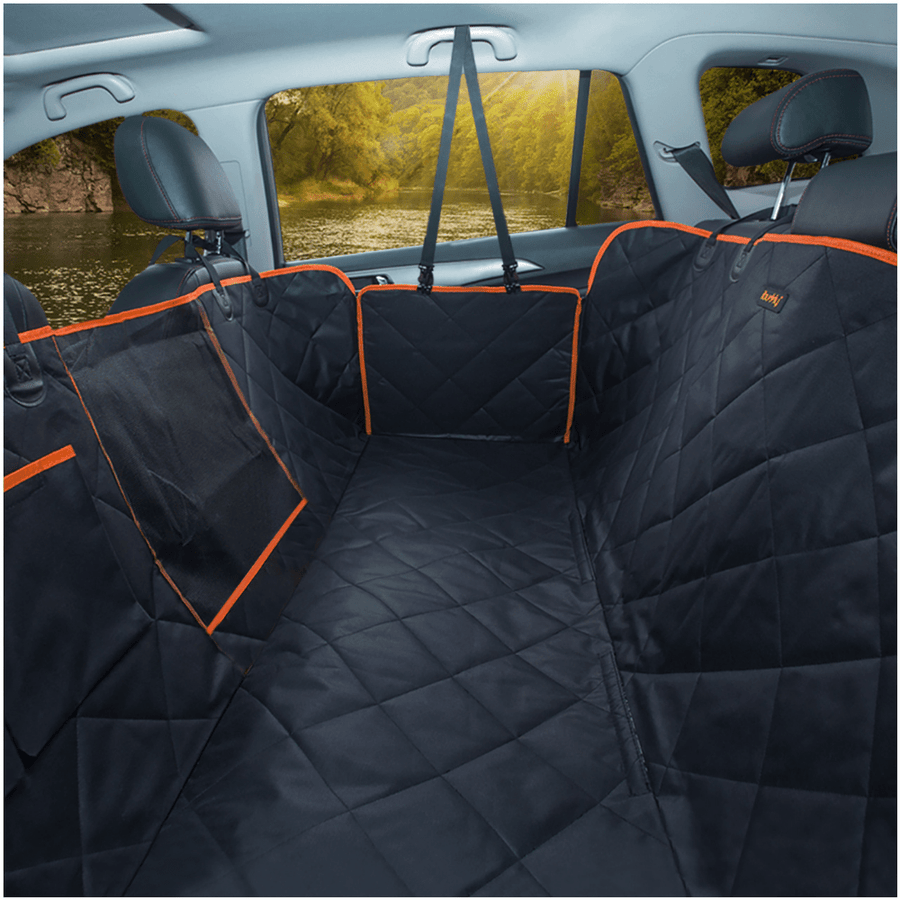
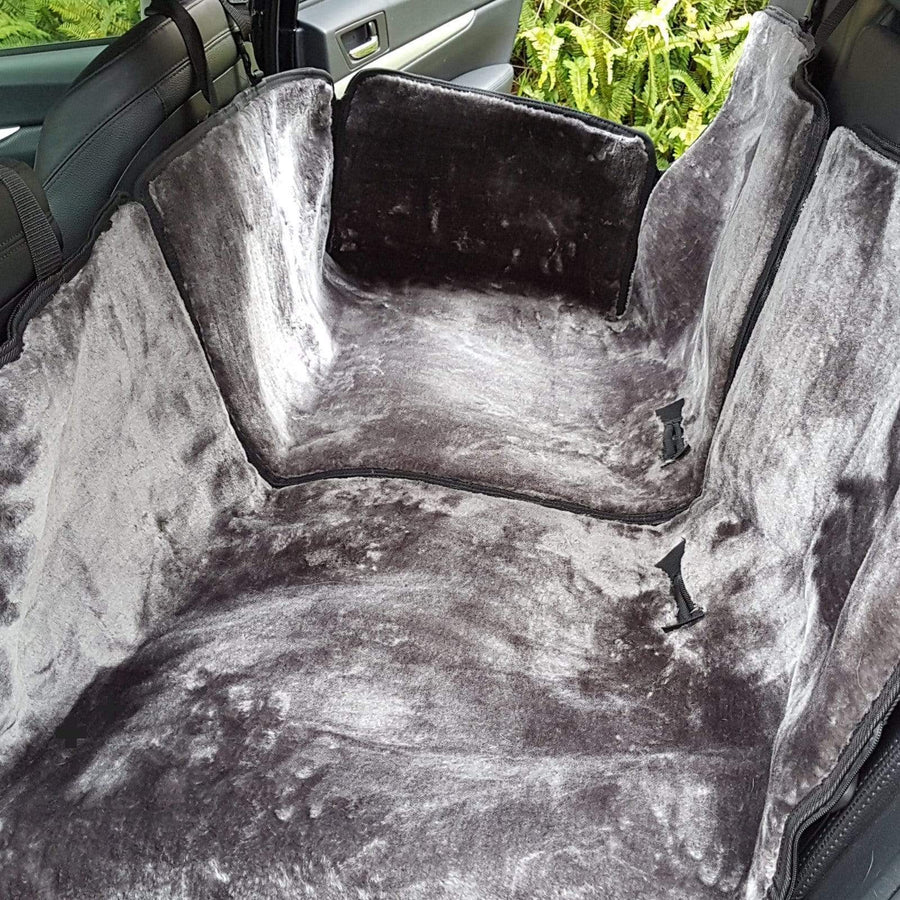
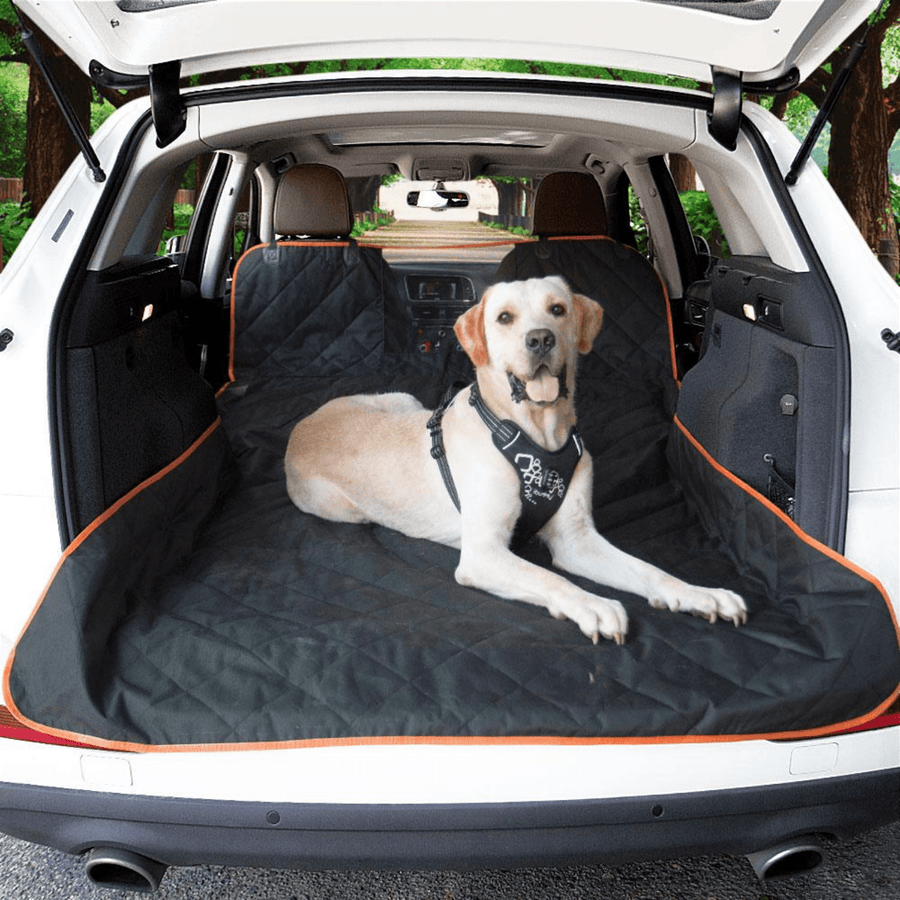
Car seat covers and boot liners protect your upholstery from fur, dirt, mud, and spills, and make post-trip cleanup significantly faster. For dogs that travel often, a quality seat cover pays for itself quickly in time saved cleaning the car.
Travel Bowls and Water Bottles
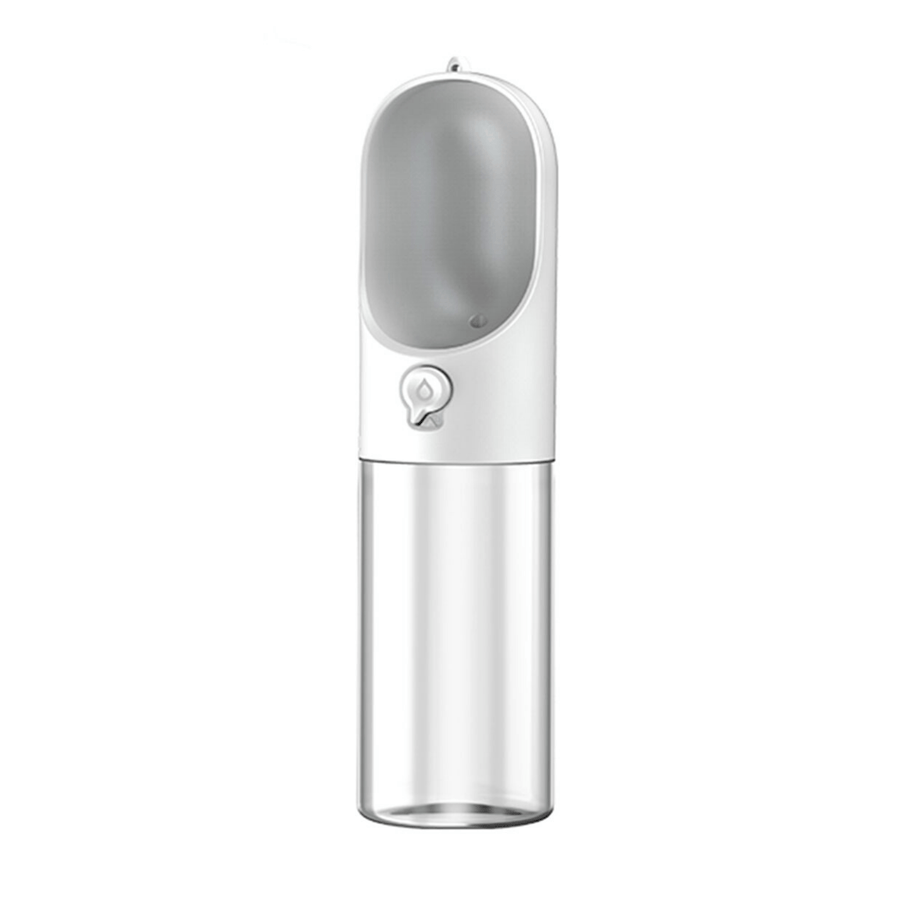
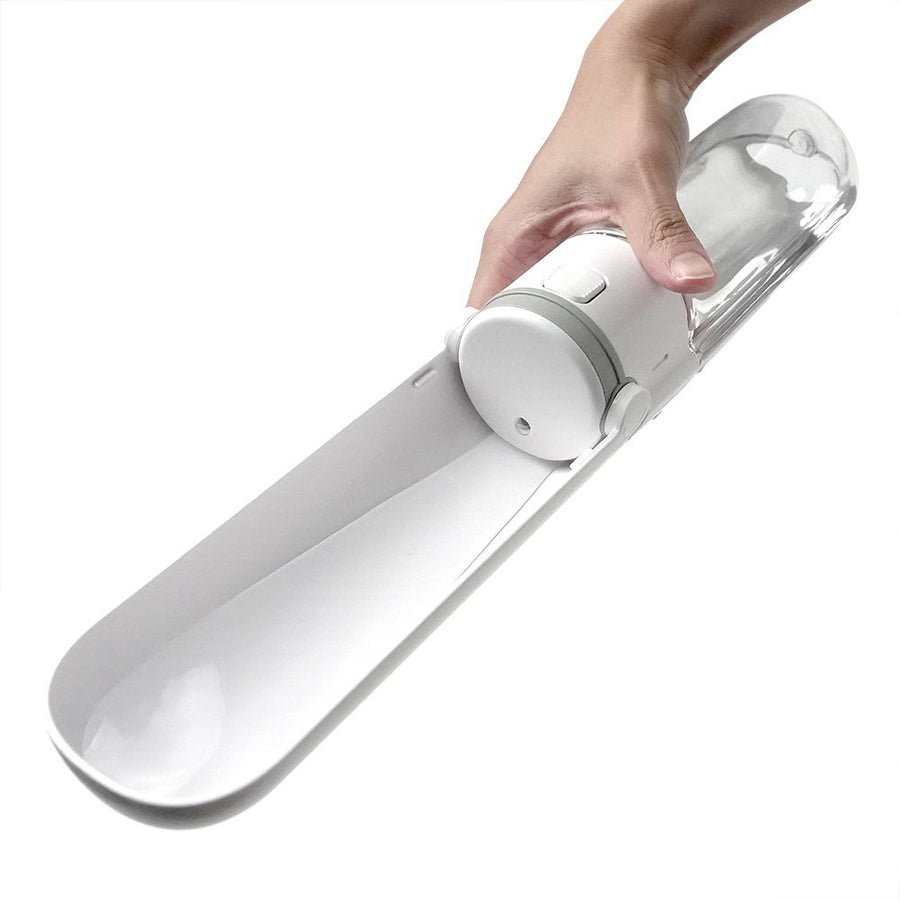
A portable dog water bottle or collapsible travel bowl ensures your dog has access to fresh water on every stop. This is essential for any trip longer than a short local drive, and particularly important in Australian heat. See our full range of dog water bottles and portable bowls.
Planning a Dog Road Trip
What to pack for a dog road trip
A well-packed travel kit makes stops easier and reduces the chance of forgetting something essential. For any trip beyond a short local drive, pack:
- Food and water, plus a travel bowl for both
- Waste bags and extras, as you'll use more than you expect
- A basic pet first-aid kit covering minor cuts, ticks, and any regular medication your dog takes
- Familiar bedding or a blanket from home: Helps your dog settle in unfamiliar accommodation or rest stops
- A favourite toy: Useful for keeping your dog occupied and providing comfort in new environments
- Any regular medication, packed with clear dosing instructions if someone else may need to administer it
- A secured carrier or restraint appropriate to your dog's size (see above)
- A lead and spare collar tag with current contact details, in case your dog gets loose at an unfamiliar stop
Organise these in a dedicated travel bag or in your dog's carrier so everything is accessible without unpacking the whole car at each stop.
How often should you stop on a long drive with a dog?
As a general guide, plan a break every two hours on a long drive - more often in hot weather or for puppies, senior dogs, or dogs prone to anxiety. At each stop, offer water, allow your dog to toilet, and give them a few minutes to stretch and move around. Watch for excessive panting, drooling, restlessness, or reluctance to settle, as these can indicate your dog needs a break sooner than planned, or is experiencing motion sickness or stress rather than simple restlessness.
Managing motion sickness and travel anxiety
Some dogs experience genuine motion sickness, which is different from anxiety-driven restlessness. Drooling, lip-licking, and vomiting are the most common signs. For motion sickness, avoid feeding a large meal in the hour before travel, keep the car well-ventilated, and consult your vet about anti-nausea options if it's a recurring issue. For anxiety, introducing travel accessories gradually before the trip and using familiar bedding or a worn item of your clothing in the carrier can help your dog settle.
How Long Can You Safely Travel with a Dog?
You can travel long distances safely with the right preparation. The key elements are a secure restraint or carrier for the entire trip, regular breaks (roughly every two hours), constant access to fresh water, and not leaving your dog unattended in a parked car even briefly, even with windows cracked, as vehicle interior temperatures can become dangerous within minutes in Australian conditions.
For multi-day trips, plan accommodation that confirms pet-friendly policies in advance, and pack enough food for the full trip plus a buffer in case of delays.
Making Travel Less Stressful for Your Dog
Dogs that are anxious about car travel benefit from a gradual, positive introduction rather than being thrown straight into a long trip:
1. Introduce travel accessories at home first: Let your dog explore a new carrier or get comfortable wearing a travel harness before it's associated with a car at all.
2. Start with short trips: A five-minute drive around the block builds positive association before attempting a longer journey.
3. Use familiar items: A blanket or toy from home in the carrier or on the seat helps maintain a sense of normalcy.
4. Keep the first few longer trips low-pressure: Avoid combining a dog's first long drive with a high-stress destination like the vet.
Most dogs build tolerance and even enjoyment of car travel within a handful of positive trips.
Note:Road rule information regarding dog restraint in vehicles is provided as general guidance and is subject to change by state. Always confirm current requirements in your specific state or territory before travel.