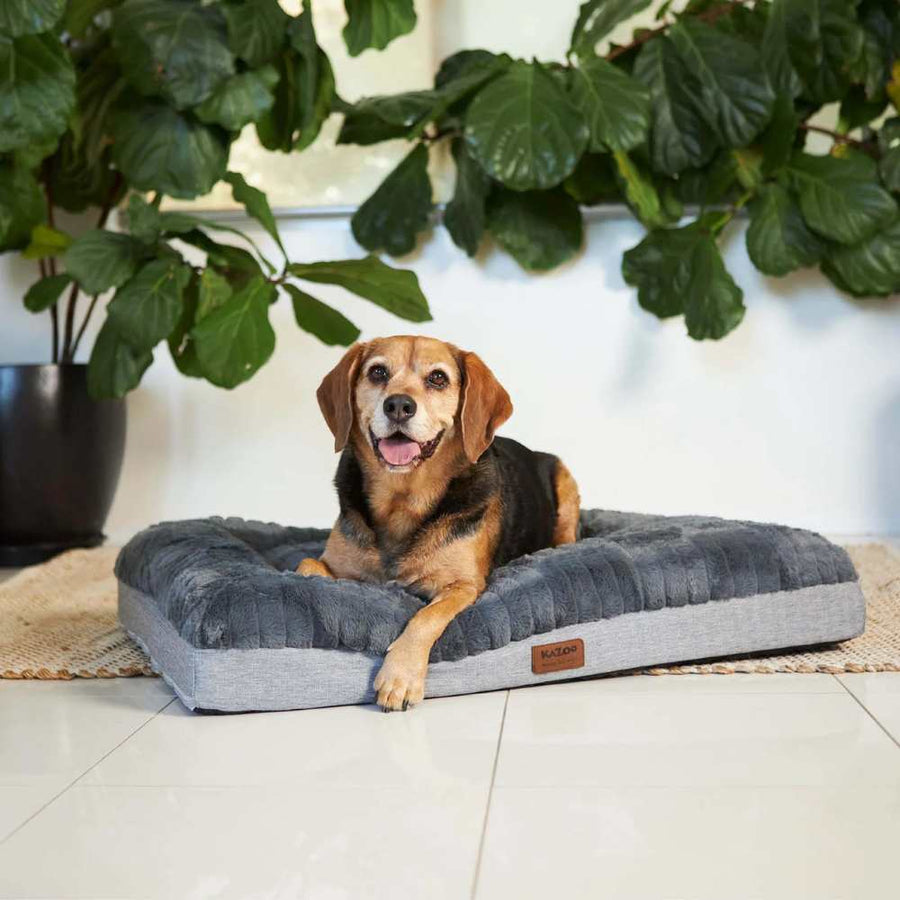
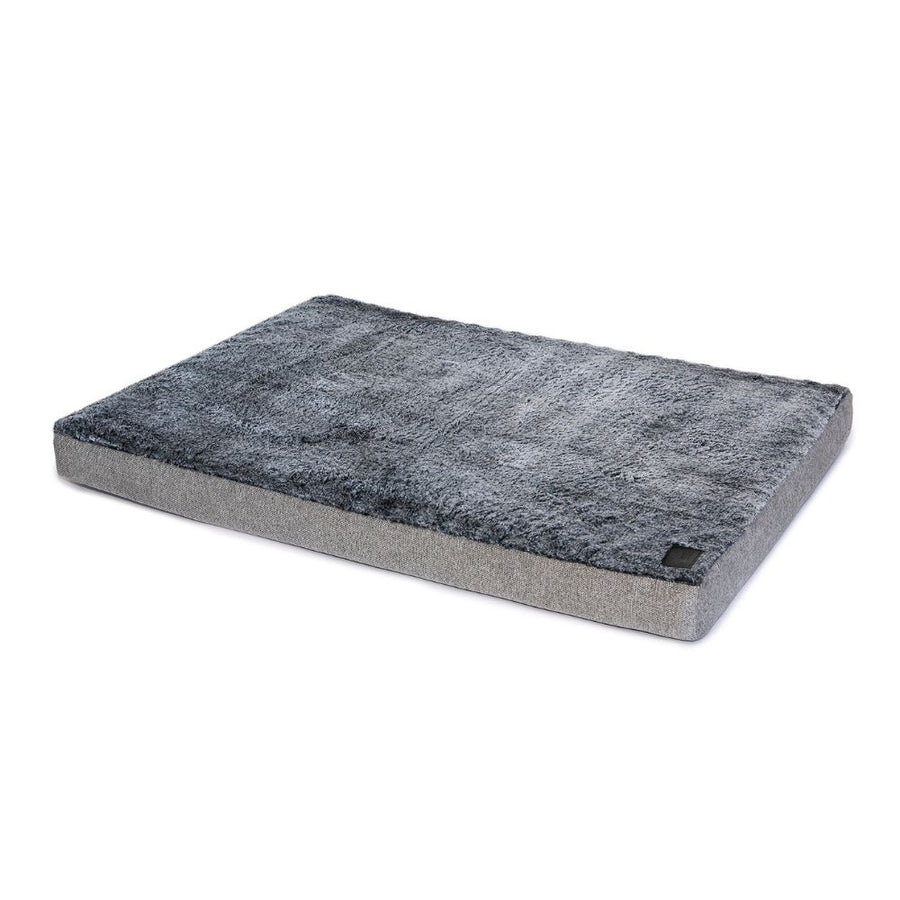
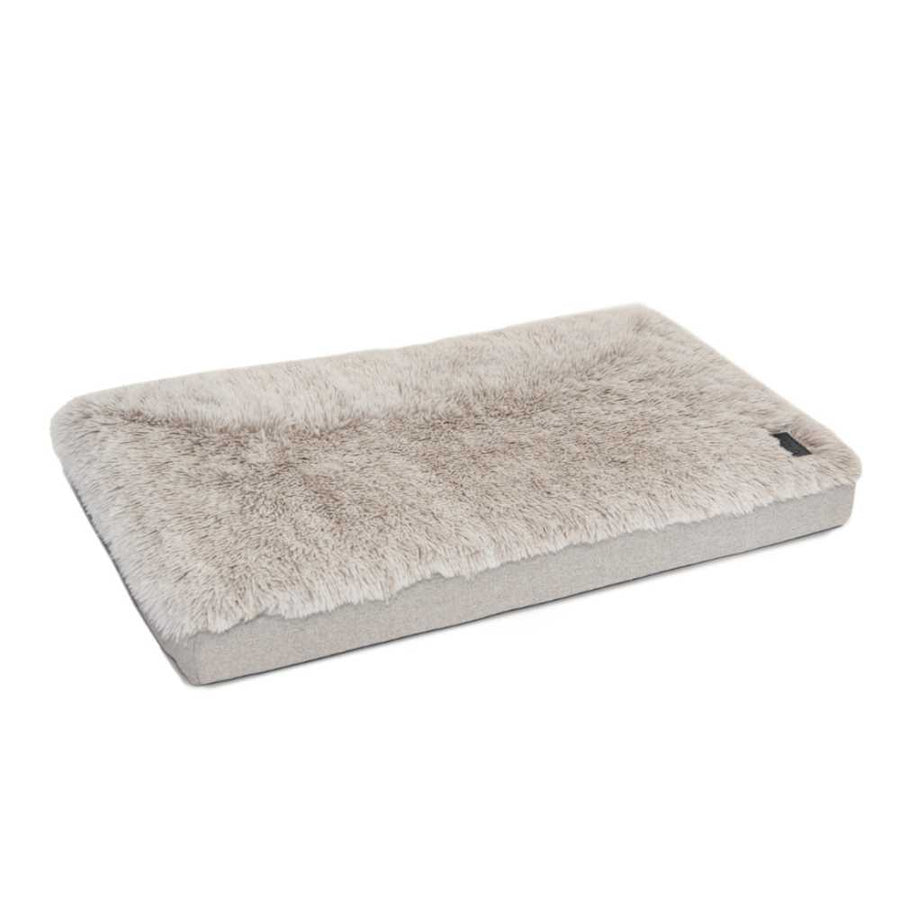
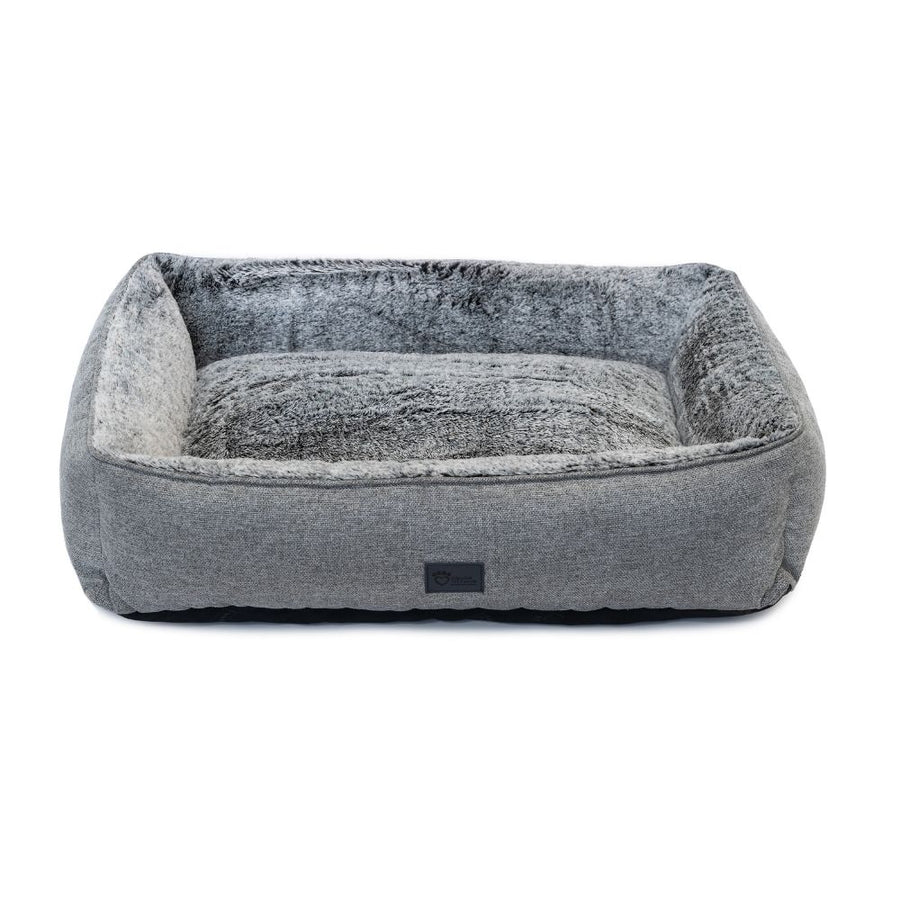
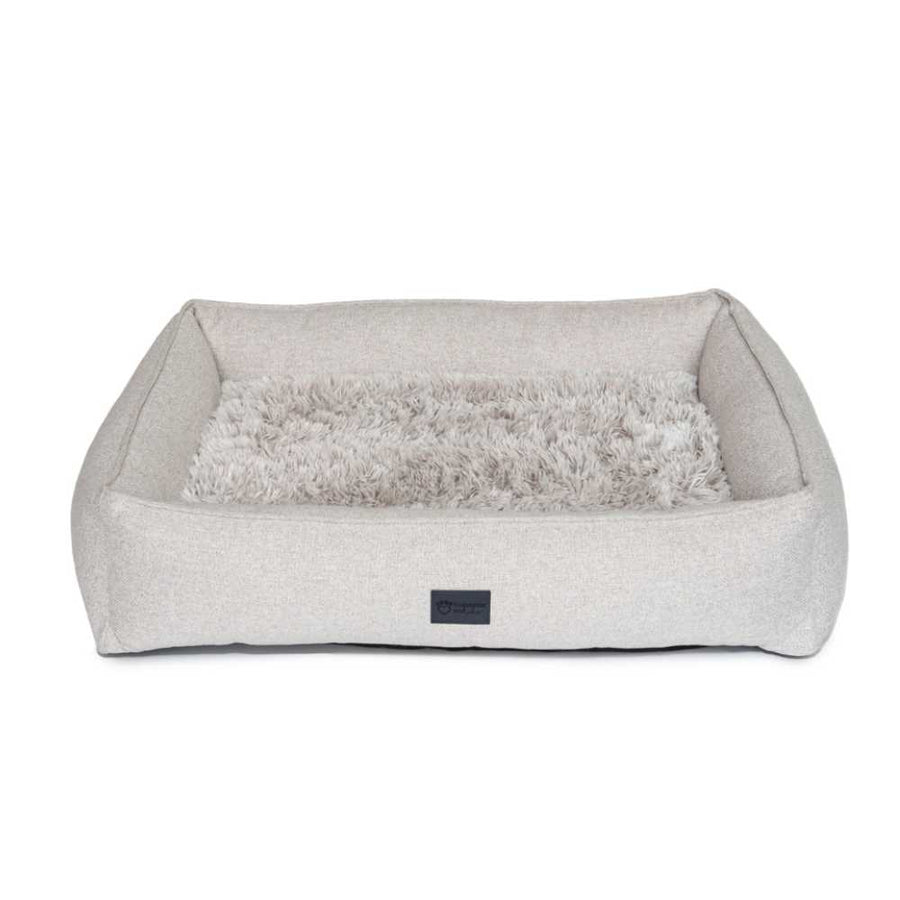
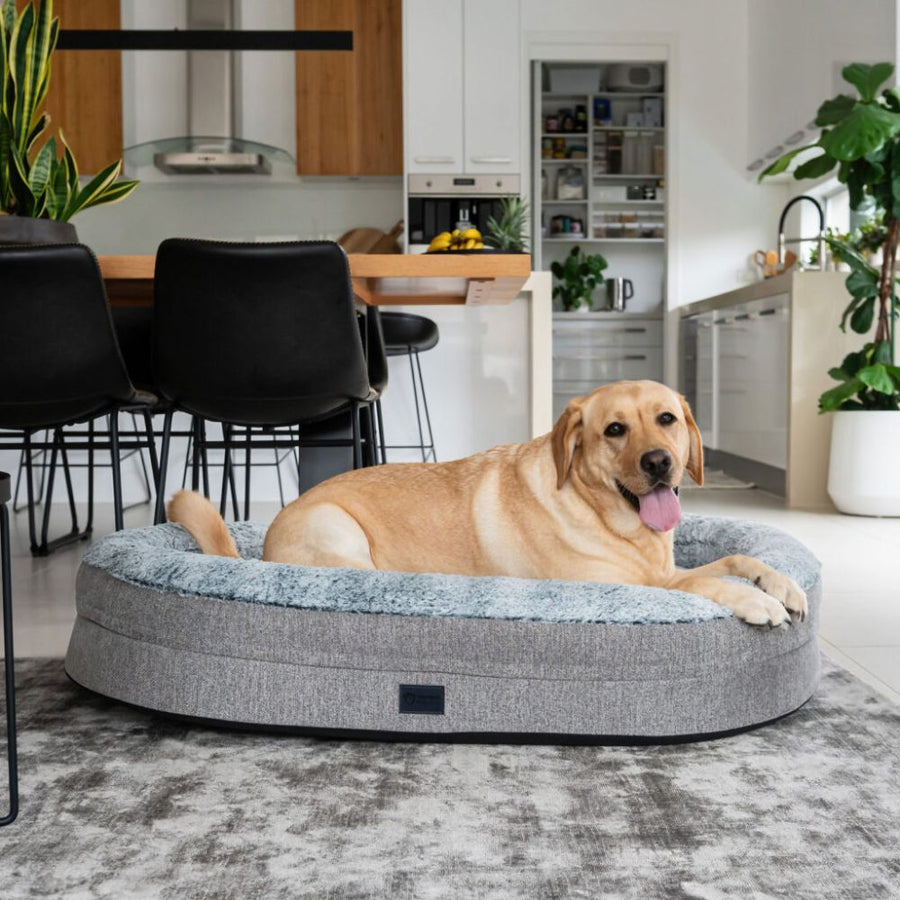
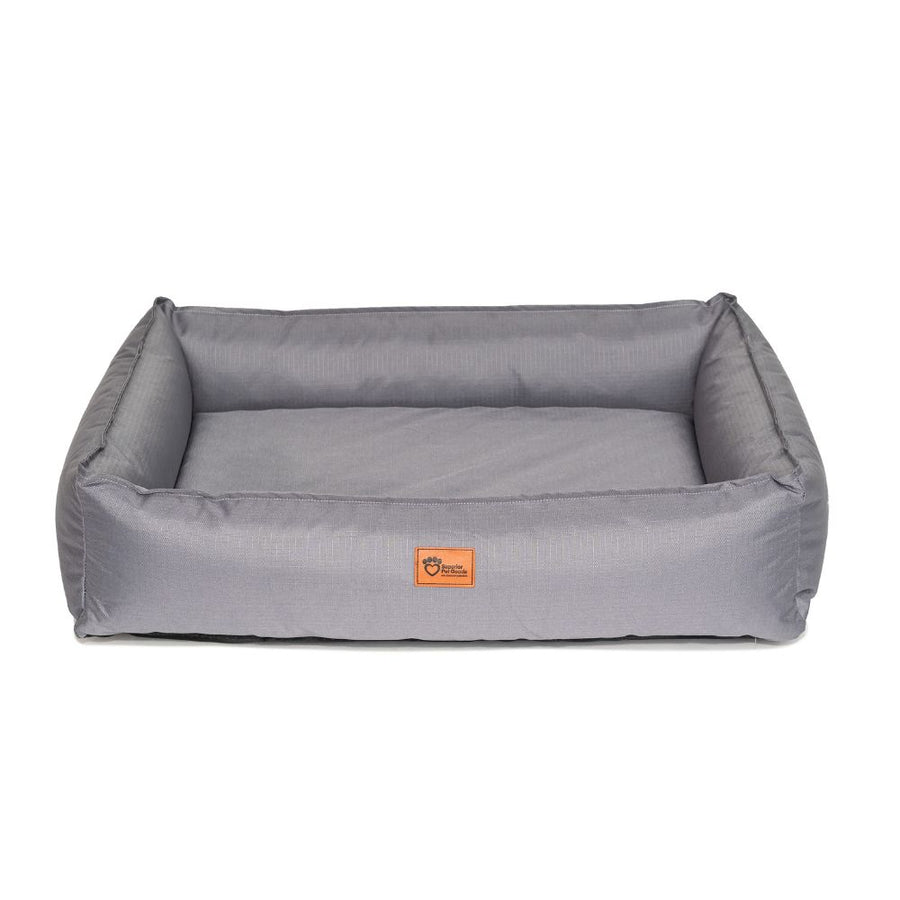
Modern Pets stocks a range of orthopaedic dog beds Australia-wide, including large, small, and XL orthopedic dog bed options, cooling orthopedic dog bed options for Australian conditions, and orthopaedic memory foam dog bed models, with free metro shipping on orders over $99.
Why a Orthopaedic Bedding Makes a Difference
For most healthy young adult dogs, the firmness and support level of their bed matters relatively little; they sleep deeply regardless. For dogs with joint conditions, older dogs, large and giant breeds, or dogs recovering from surgery, it makes a documented and significant difference.
Veterinary guidance consistently recommends orthopedic bedding for dogs with osteoarthritis, hip dysplasia, elbow dysplasia, and degenerative joint disease - conditions that are especially prevalent in older dogs and in large breeds predisposed to joint problems (Labradors, Golden Retrievers, German Shepherds, Rottweilers, and Great Danes among them). Hard or inadequately padded surfaces increase pressure on already inflamed joints, disrupting sleep and leading to the reluctance to lie down, frequent position shifting, and difficulty rising that owners often notice as early signs of joint discomfort.
An orthopedic dog bed addresses this through pressure distribution: rather than a dog's weight concentrating at the highest points of contact (hips and shoulders on a dog lying on their side), a supportive foam base distributes that weight across the full surface. This reduces the pressure peaks that cause discomfort at bony prominences and allows the dog to hold a restful position for longer, leading to deeper, less interrupted sleep.
Memory Foam vs. High-Density Foam: What's the Difference?
Not all orthopedic dog beds use the same foam, and the difference matters:
Memory Foam (Orthopaedic Memory Foam Dog Beds)
Memory foam (also called viscoelastic foam) is temperature and pressure-sensitive. It softens under the warmth and weight of your dog's body and moulds to their exact shape, then slowly returns to its original form when they get up. This adaptive contouring is the key benefit: memory foam eliminates pressure points entirely by matching the dog's contours rather than having the dog adapt to the foam's fixed shape.
An orthopaedic memory foam dog bed is the best choice for dogs with significant joint pain, arthritis, or post-surgical recovery where maximum pressure relief is the priority. The down side is that memory foam retains heat. This is worth considering in Australian conditions, where warm-climate breeds or dogs in warmer states may find a dense memory foam bed uncomfortable in summer without adequate ventilation or a cooling layer.
High-Density Foam
High-density foam provides firm, consistent support without the adaptive contouring of memory foam. It holds its shape under the dog's weight rather than moulding to it, providing a stable base that prevents the dog from sinking through to the floor (a common failure mode of cheaper, low-density foam beds that lose their support within months).
High-density foam is cooler than memory foam and more appropriate for warmer climates, dogs that sleep hot, or dogs that prefer a slightly firmer surface. It still provides significantly more joint support than a standard cushion or poly-fill bed.
Combined Foam Layers
Many better-quality orthopedic dog beds use a combined construction: a high-density foam base for structural support and durability, topped with a layer of memory foam for surface contouring. This combination provides the best of both materials, as the memory foam contours to the dog's body, while the high-density base ensures the dog doesn't sink through to the floor over time.
Choosing the Right Orthopedic Dog Bed in Australia
Size: the most important factor
An orthopedic bed must be large enough for your dog to fully stretch out in their most common sleeping position. If they hang off the edge, the pressure-relief benefit is partially lost. Measure your dog from nose to tail base while lying fully stretched and add at least 20–30cm.
As a practical size guide:
- Small breeds (under 10kg): A small orthopedic dog bed of approximately 60 x 45cm suits most small breeds.
- Medium breeds (10–25kg): A standard medium bed of 80 x 60cm or similar.
- Large breeds (25–45kg): For an orthopedic dog bed large dogs can use, look for 100 x 70cm or more. This covers the majority of breeds where orthopedic support is most commonly recommended.
- Giant breeds (45kg+): An orthopedic dog bed xl of 110 x 80cm or larger is needed. For breeds like Great Danes, Irish Wolfhounds, and Mastiffs, always check the specific internal sleeping surface dimensions rather than the product's total footprint.
For large and giant breeds, foam thickness also matters. A 5–7cm foam layer that's adequate for a small dog provides insufficient support for a large breed's greater weight. Look for a minimum of 10cm of foam for large breeds, and 12–15cm for giant breeds.
Foam thickness by dog size
- Small breeds (under 10kg): 5–8cm foam depth
- Medium breeds (10–25kg): 8–10cm foam depth
- Large breeds (25kg+): 10–15cm foam depth. A large orthopedic dog bed with less than 10cm of foam will compress under a heavy dog's weight and lose its supportive function
- Giant breeds (45kg+): 12–15cm foam depth minimum
This is the specification most commonly omitted from product listings. Always check the stated foam depth before purchasing, not just the cover dimensions.
Cooling orthopedic dog beds for Australian conditions
Dense foam, particularly memory foam, retains heat. In Australian conditions, this is a comfort consideration for dogs in warmer states or during summer months. A cooling orthopedic dog bed addresses this through one or more of:
- Cooling gel infused into the foam surface: Gel disperses body heat rather than retaining it
- Breathable mesh or ventilated foam construction allows air circulation through the foam rather than trapping heat
- Bamboo, cotton, or other breathable cover fabrics: Draw moisture and heat away from the dog's coat rather than retaining warmth
For Australian owners in Queensland, Northern Territory, Western Australia, or coastal NSW, a cooling orthopedic dog bed is worth prioritising over a standard memory foam model, particularly for breeds with thick coats or brachycephalic breeds that already run warm.
Waterproof liners: important for senior dogs
Senior dogs are more likely to experience incontinence or reduced bladder control, which makes a waterproof liner an important practical feature for an orthopedic bed specifically.
A bed without a waterproof inner liner (only a washable outer cover) will allow liquid to penetrate the foam, where it cannot be fully cleaned and will develop odour and bacterial growth over time. Look specifically for beds with a waterproof membrane between the foam and the outer cover, rather than just a washable cover alone.
Low-entry access for arthritic dogs
Dogs with arthritis or hip dysplasia often have difficulty stepping over a raised bolster edge to enter their bed, the same movement that causes joint pain during walking is replicated in getting in and out of a bed with high sides.
For arthritic dogs specifically, a flat, low-profile orthopedic bed with no raised entry barrier makes a practical difference in how readily the dog uses the bed. A bolster at the back provides a resting surface for the head while keeping the front entry flat.
Setting Up Your Dog's Orthopedic Bed
Placement: Choose a quiet, low-traffic area your dog already frequents. For dogs with mobility limitations, position the bed close to the dog's established routes between sleeping and eating areas. A dog with joint pain will use the closest available comfortable surface rather than crossing the house to reach a bed.
Non-slip base: An orthopaedic dog bed should have a non-slip or rubberised underside, particularly on hard floors. A dog with joint pain that steps onto a sliding bed can lose balance, which is both uncomfortable and a fall risk.
Introducing the bed: Some dogs, particularly those that have slept on hard floors for years, take time to adopt a new, softer bed. Place a familiar blanket or worn item of your clothing on the new bed to build positive association. Most dogs transition within a few days.
Note: Guidance on orthopedic bedding for specific conditions including arthritis, hip dysplasia, and post-surgical recovery is provided for general information. Always consult your vet for condition-specific recommendations and treatment plans.