



An automatic cat litter box or self cleaning litter box automates the most time-consuming part of cat ownership (daily scooping) by detecting and removing waste automatically after each use or on a set schedule.
For busy households, multi-cat homes, or anyone who wants a consistently cleaner litter area without the daily effort, an automatic cat litter box is one of the most practical upgrades available. Modern Pets stocks a range of self-cleaning litter boxes and automatic cat litter box options, shipped Australia-wide with free metro shipping on orders over $99.
Not all automatic litter boxes use the same mechanism, and the differences are significant for litter compatibility, noise level, running costs, and how well each suits different cats. Understanding the mechanism types helps you choose the right one before purchasing.
The most common type of auto cat litter box uses a motorised rake or sifter that moves through the litter after each use, separating clumped waste from clean litter and depositing it into a sealed waste compartment at one end. This mechanism is typically the most affordable and requires the least litter depth to function, but the rake motor is audible during operation, which is worth considering for sound-sensitive cats.
Rake-style automatic litter boxes require clumping litter to function. The mechanism identifies clumps to separate rather than individual granules, so non-clumping litter passes through the rake along with everything else. This is the case for most self cleaning litter box designs.
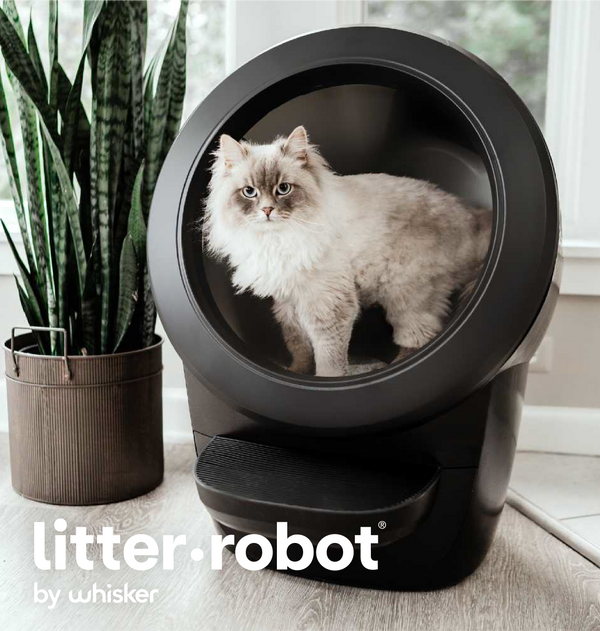
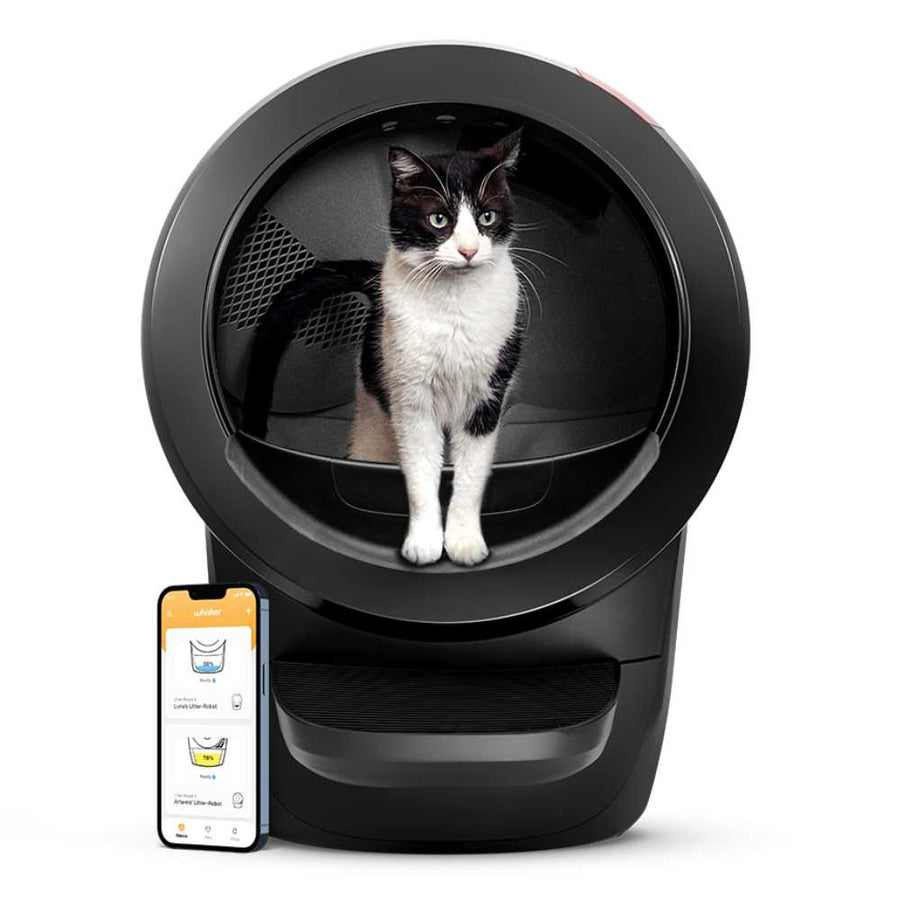
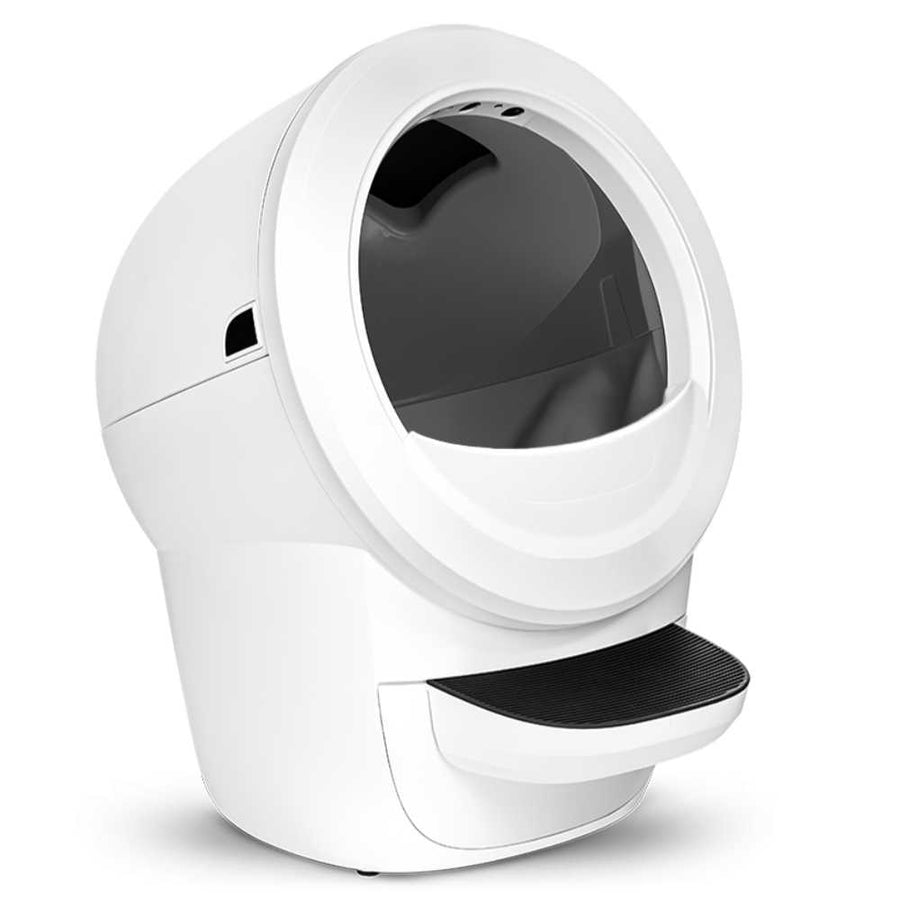
A rotating globe self cleaning cat litter box uses a spherical drum that rotates after use. The rotation tumbles litter through an internal sifting screen, with waste falling through into a sealed drawer at the base while clean litter returns to the resting position. The mechanism is generally quieter than a motorised rake and leaves no moving parts inside the litter area.
Globe-style automatic cat litter box designs require clumping litter and typically require a moderate fill depth for the rotation mechanism to work effectively. The enclosed globe shape also provides more privacy than open rake designs, which suits cats that prefer enclosed toileting spaces.
Conveyor-style self-cleaning litter boxes use a belt or escalator system that continuously or cyclically carries waste up from the litter bed into a sealed waste container. These designs can work with non-clumping litter in some models, making them a broader compatibility option. Motor noise varies by model, so check specific product specifications if noise is a concern.
Some higher-specification auto cat litter box designs include UV sanitising cycles that run after cleaning to reduce bacterial growth in the litter area. This is an additional feature on top of a primary mechanism (usually rake or globe) rather than a standalone cleaning method. UV sanitising increases unit cost but provides a hygiene benefit beyond simple waste removal.
The safety of a self cleaning litter tray depends almost entirely on its sensor system, the mechanism that detects when a cat has entered and exited, and delays the cleaning cycle until the cat is safely clear.
Infrared sensors detect body heat, triggering a timer that starts after the cat exits. The cleaning cycle runs once the timer has elapsed - typically 3–20 minutes depending on the model setting. This is the most common sensor type and is reliable under normal conditions, though it can be triggered by other heat sources in some environments.
Weight sensors detect the cat's weight on the litter surface, starting a timer from the moment weight is removed. This is generally the most reliable method for confirming the cat has exited before cleaning begins.
Most quality self cleaning cat litter box designs use both a weight sensor to detect presence and exit, plus an infrared sensor as a backup. Always check the specific sensor specification of any automatic litter box you are considering, particularly if you have a small or lightweight cat whose presence a weight sensor may not reliably detect.
Important: No sensor system is infallible. For households with kittens under 12 weeks or very small cats (under 1.5kg), check that the manufacturer specifically confirms safe use for that size. Some models have minimum weight thresholds below which sensor detection is unreliable.
The purchase price of an automatic cat litter box in Australia is only part of the cost. Understanding ongoing running costs before buying avoids unpleasant surprises:
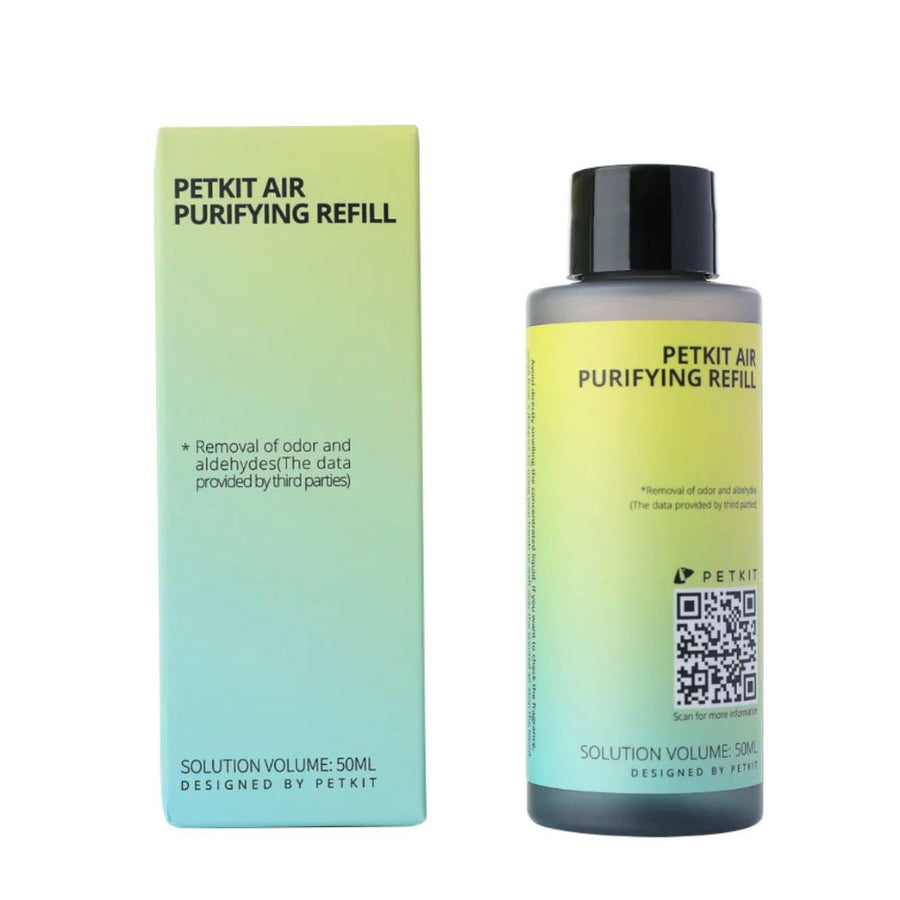
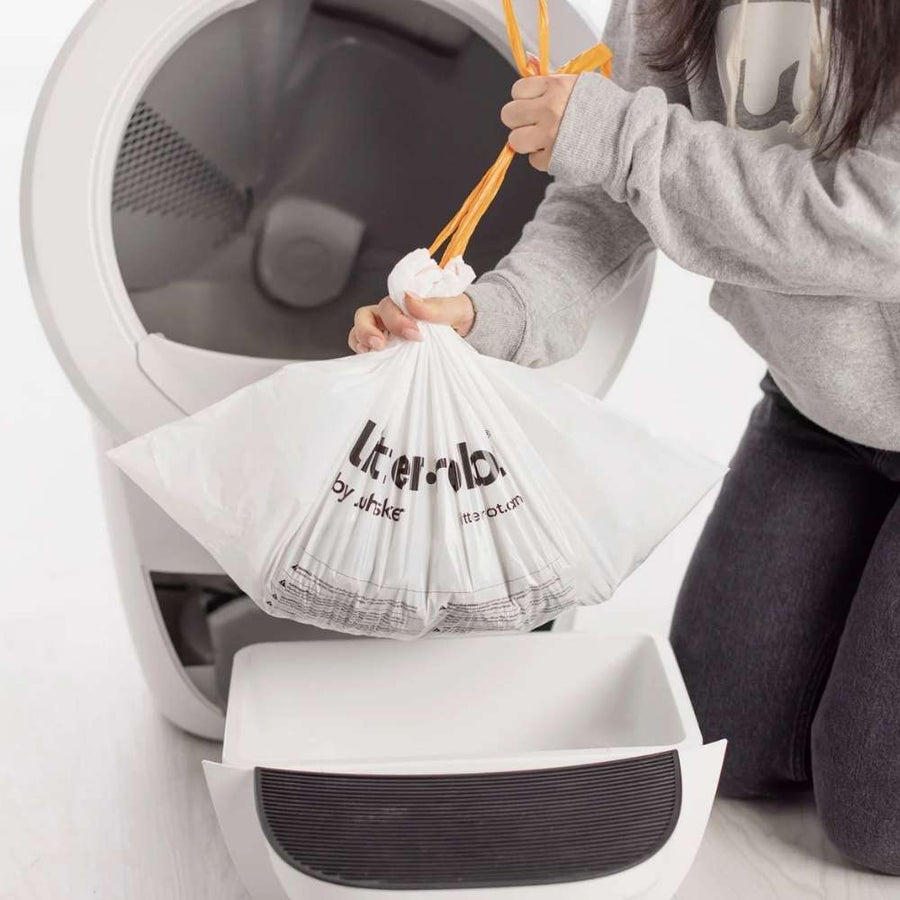
Waste compartment liners and cartridges: Most self-cleaning litter boxes use proprietary waste compartment liners or cartridges that must be replaced regularly (typically every one to four weeks depending on household size and usage frequency). Some models use standard waste bags rather than proprietary cartridges, which is significantly more cost-effective over time. Check which type applies to any model you are considering before purchasing.
Subscription models: Some automatic litter box brands offer subscription refill services. These can be convenient but add a recurring cost that may exceed the savings from reduced litter usage if you don't monitor the subscription carefully.
Litter consumption: Self-cleaning boxes are more efficient with litter than manual scooping, since only genuine waste is removed rather than the surrounding clean litter scooped with it. Over time, this can partially offset the running cost of waste compartment consumables.
Power: All automatic litter boxes require mains power or batteries. Most use mains power with a USB-C or standard adapter. Check whether battery backup is included or available for power outage situations.
For a single cat, most self cleaning kitty litter tray designs will handle the volume comfortably with weekly waste compartment changes and daily monitoring. Choosing between rake, globe, or conveyor largely comes down to space available, noise sensitivity, and litter preference rather than capacity.
A multi-cat household needs an automatic litter box with sufficient cycle speed to reset between uses by multiple cats, a larger waste compartment capacity, and sensors that reliably distinguish individual cat entries. Many models display usage logs via a companion app, which is useful for monitoring that each cat is using the box and that none is being displaced by resource competition.
The standard welfare recommendation still applies even with a self-cleaning box: one litter box per cat plus one additional. A single automatic litter box in a multi-cat household does not replace the need for multiple toileting options; it simply makes maintaining one of them significantly easier.
Larger breeds (Maine Coons, Ragdolls, Bengals) need an self-cleaning litter box with sufficient interior floor space to enter, turn, and squat comfortably; a self-cleaning box too small for the cat to use comfortably will be avoided. Always check the stated maximum cat weight and internal dimensions of any self cleaning kitty litter system before purchasing for a large breed.
The motor sound of a self-cleaning litter box is one of the most common reasons cats reject automatic boxes after initial introduction. For sound-sensitive cats:
Most self-cleaning and automatic litter box manufacturers specify a minimum age (typically 6 months) and minimum weight (typically 1.5–2kg) for safe use with their sensor systems. Below these thresholds, sensor reliability may be insufficient to guarantee the cat has exited before the cleaning cycle begins. Use a standard litter tray until your kitten reaches the specified size and age.
The best self cleaning litter box for your household depends on how you weigh the upfront cost, ongoing running costs, and the genuine time saving against a standard tray with daily scooping.
For a single cat household where the owner scoops daily without fail, the improvement over a standard clumping litter tray is mainly convenience rather than hygiene. Both approaches achieve similar waste removal frequency. The self-cleaning box wins on "forgiveness" - missed days don't result in a neglected tray, since the mechanism scoops regardless of schedule.
For multi-cat households, busy schedules, or anyone who travels and needs a reliable system that functions without daily intervention, an automatic cat litter box delivers a meaningful, practical improvement over manual alternatives.
For the best automatic cat litter box Australia-wide availability and the clearest path to the right choice for your household, see our range and compare mechanism types, capacity, and litter compatibility before purchasing.
Cats are sensitive to change, and the mechanical sounds of a self-cleaning litter box can cause initial avoidance if the transition is abrupt:
1. Set up the new box next to the existing tray. Don't remove the old tray immediately. Allow your cat access to both simultaneously.
2. Leave the unit powered off initially. Let your cat use the new box as a standard tray for several days before activating the self-cleaning function.
3. Activate on the longest delay setting: Set the cleaning cycle delay to the maximum available so the mechanism runs well after your cat has left the area.
4. Transfer some used litter from the old tray into the new box. Familiar scent significantly accelerates acceptance of new litter equipment.
5. Monitor usage: If your cat is using the automatic box consistently, gradually reduce the old tray's appeal (by cleaning it less frequently) before removing it entirely.
Most cats transition within one to two weeks with this approach.
Note: Safety guidance on sensor specifications and minimum weight thresholds is provided as general information. Always confirm specific product safety parameters with the manufacturer before use with kittens or very small cats.
A self cleaning litter box is an automated system that detects when a cat has used the box and removes waste automatically - either immediately after exit (sensor-activated) or on a set schedule - depositing it into a sealed waste compartment. This eliminates the need for daily scooping while maintaining a consistently clean litter surface. Mechanism types include motorised rakes, rotating globes, conveyor systems, and UV sanitising models, each with different litter compatibility requirements and noise profiles.
Most automatic litter boxes use sensors (infrared or weight-based) to detect when a cat has exited, then activate a cleaning mechanism (rake, globe rotation, or conveyor belt) that separates waste clumps from clean litter and deposits them into a sealed compartment. The delay between exit and cleaning is adjustable on most models, typically ranging from 3 to 20 minutes. Clumping litter is required for most rake and globe mechanism designs.
Yes, when used correctly and for cats above the manufacturer's specified minimum weight. Quality self cleaning cat litter box designs use infrared and/or weight sensors to confirm the cat has exited before activating the cleaning cycle. Always check the manufacturer's minimum weight specification. Cats below approximately 1.5–2kg may not reliably trigger sensors on some models. Most manufacturers advise against use with kittens under six months of age.
Most self cleaning litter box and automatic litter box designs require clumping litter to function, the mechanism separates clumped waste from loose clean litter. Fine-grain clumping litters typically work best, as they clump more quickly and firmly than coarser alternatives. Some conveyor-style models can work with non-clumping litter. Check the specific product's litter compatibility before purchasing.
Ongoing costs include waste compartment liners or cartridges (replaced every one to four weeks depending on usage), which may be proprietary to the brand or standard waste bags depending on the model. Litter consumption is typically lower than manual scooping, partially offsetting consumable costs. Some brands operate subscription refill models. Factor these running costs into the total cost of ownership before comparing unit prices.
Yes, with the right model choice. For multi-cat households, look for a self-cleaning cat litter box in Australia with a fast reset cycle between uses, a larger waste compartment, and ideally a usage log via companion app to confirm each cat is using the box. The standard welfare recommendation still applies: provide one litter box per cat plus one additional even with an automatic system.
The best automatic cat litter box combines reliable sensor safety, a mechanism suited to your cats' temperament and litter preferences, manageable ongoing consumable costs, and appropriate interior sizing for your cat's breed and size. For single cats and quieter environments, globe-mechanism models are often preferred for their lower noise profile. For multi-cat households or owners who prioritise capacity and usage monitoring, rake-mechanism models with app connectivity offer more oversight.
Set up the new box next to the existing tray without removing the old one, and leave the unit powered off for several days so your cat uses it as a standard tray first. Once your cat is using it consistently, activate the self-cleaning function on the longest available delay setting. Transfer some used litter from the old tray to encourage familiarity, and monitor usage before removing the original tray. See the introduction guide above for step-by-step details.
© Modern Pets All Rights Reserved | Terms of Use | Privacy Policy