Whisker Fatigue: Why Bowl Shape Matters More Than You'd Think
Whisker fatigue is a real, documented sensitivity that affects how comfortably a cat eats. A cat's whiskers are highly sensitive sensory organs, packed with nerve endings that detect even minor pressure or contact. When a cat eats from a narrow or deep cat food bowl, their whiskers repeatedly brush against the sides with every bite, and for some cats, this repeated contact becomes genuinely uncomfortable over time.
The signs of whisker fatigue include a cat pulling food out of the bowl to eat off the floor or a flat surface nearby, hesitating before approaching the bowl, or appearing to "paw" food out rather than eating directly from it. If you've noticed any of these behaviours, bowl shape rather than not the food itself is often the cause.
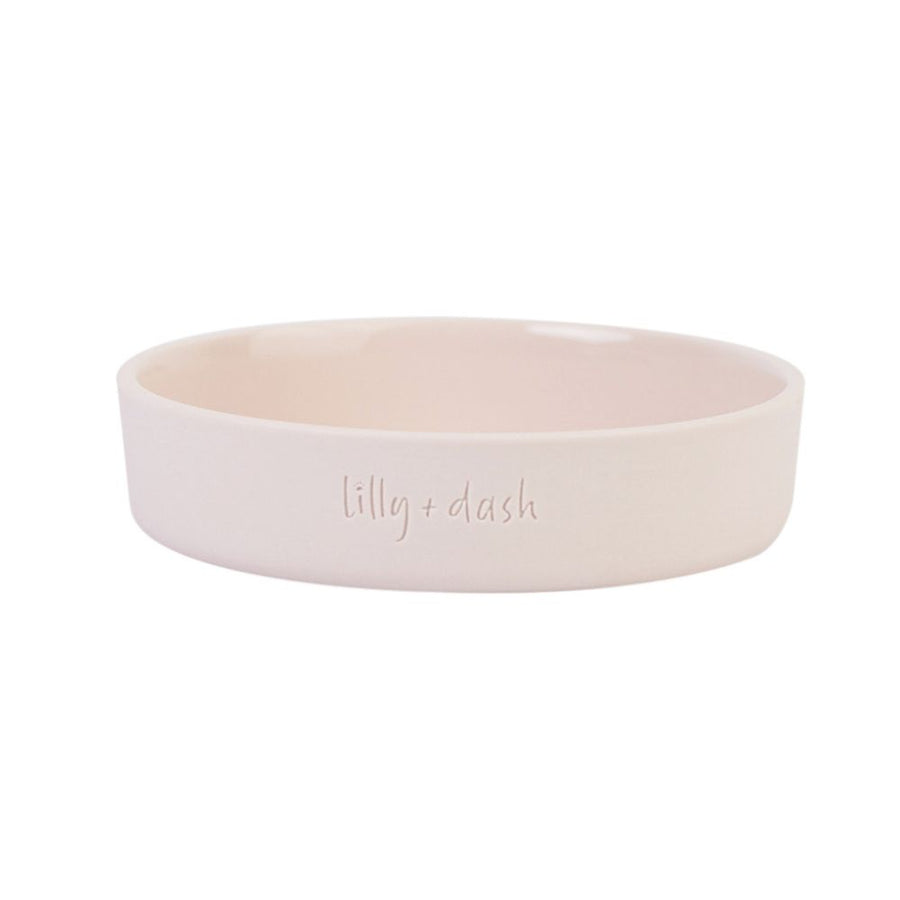
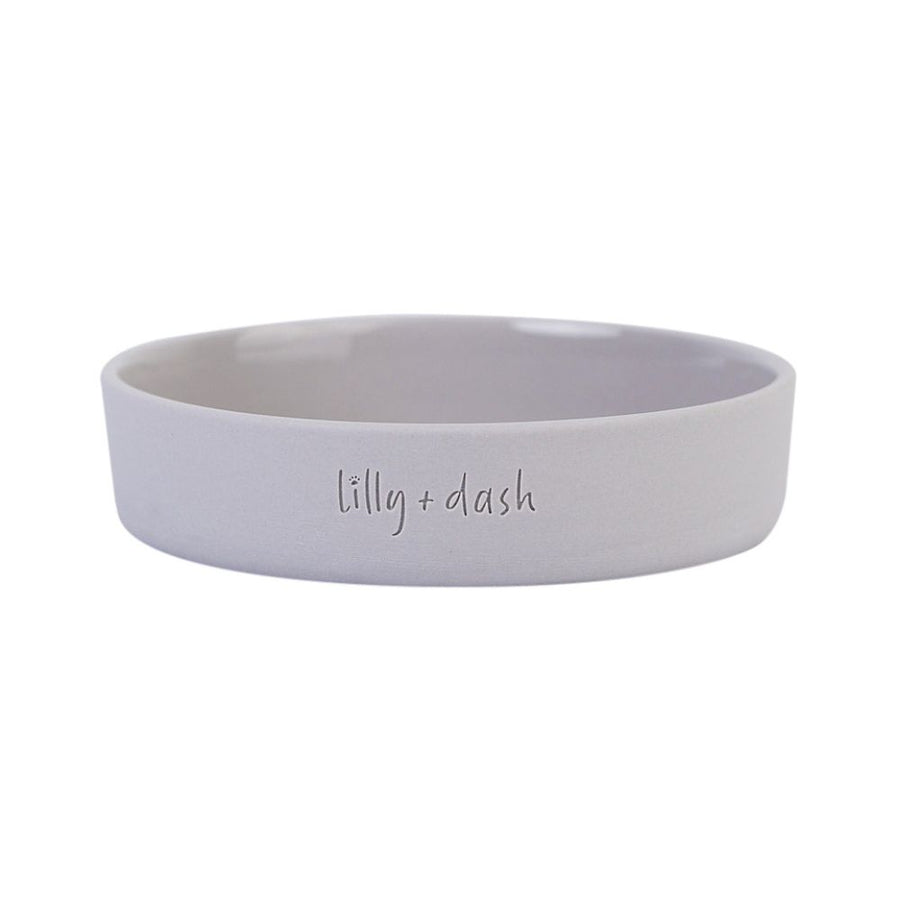
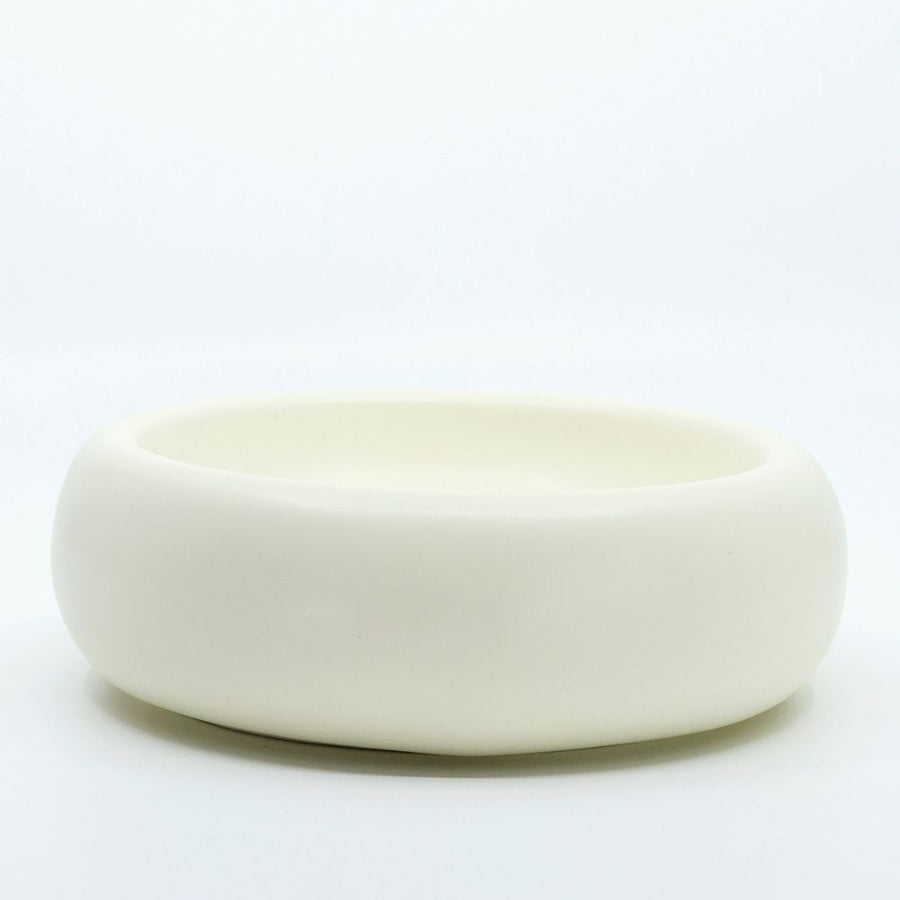
The fix is straightforward: wide, shallow cat feeding bowls keep whiskers clear of the sides entirely, letting your cat eat comfortably without contact. This is one of the simplest, lowest-cost changes that can noticeably improve a cat's mealtime experience.
Types of Cat Bowls
Ceramic Cat Bowls
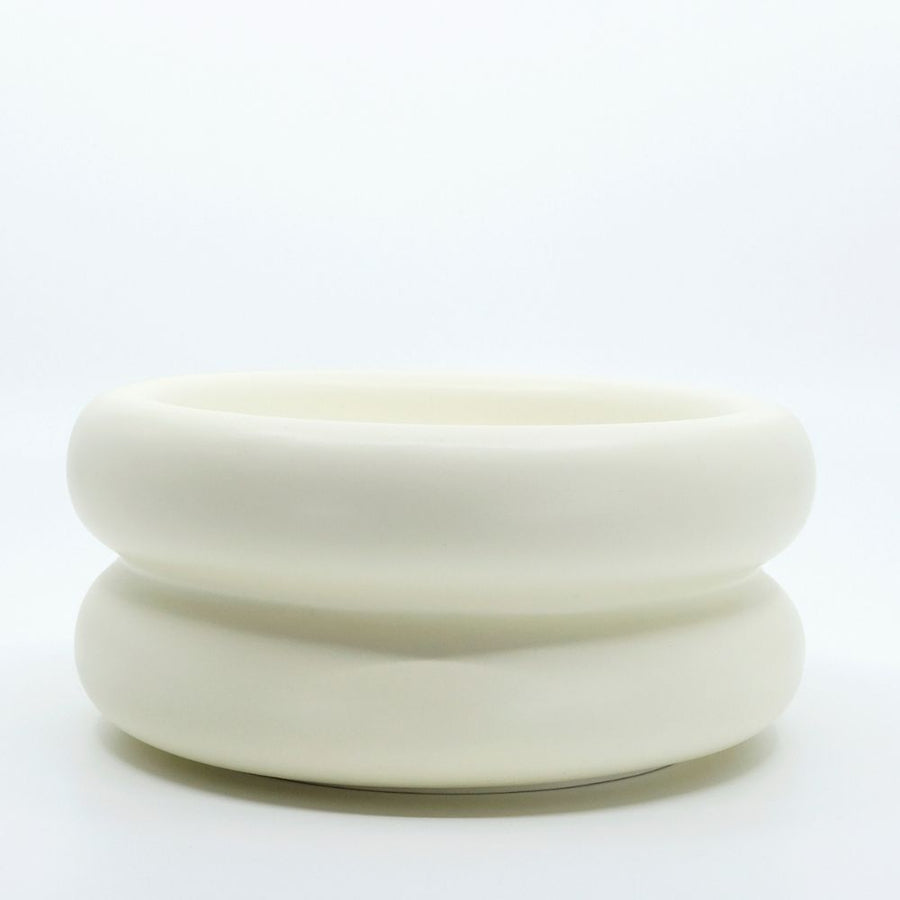
Ceramic cat bowls are heavy and stable. They’re harder for an enthusiastic eater to push around the floor than lightweight plastic, and the glazed surface is non-porous, meaning it doesn't absorb odours or harbour bacteria in surface scratches the way some other materials can over time. This makes ceramic genuinely easy to keep hygienic with regular washing.
Cute cat bowls in ceramic are widely available in decorative patterns and colours, making them a popular choice for owners who want feeding stations that look good left out in a kitchen or living space.
Stainless Steel Cat Bowls
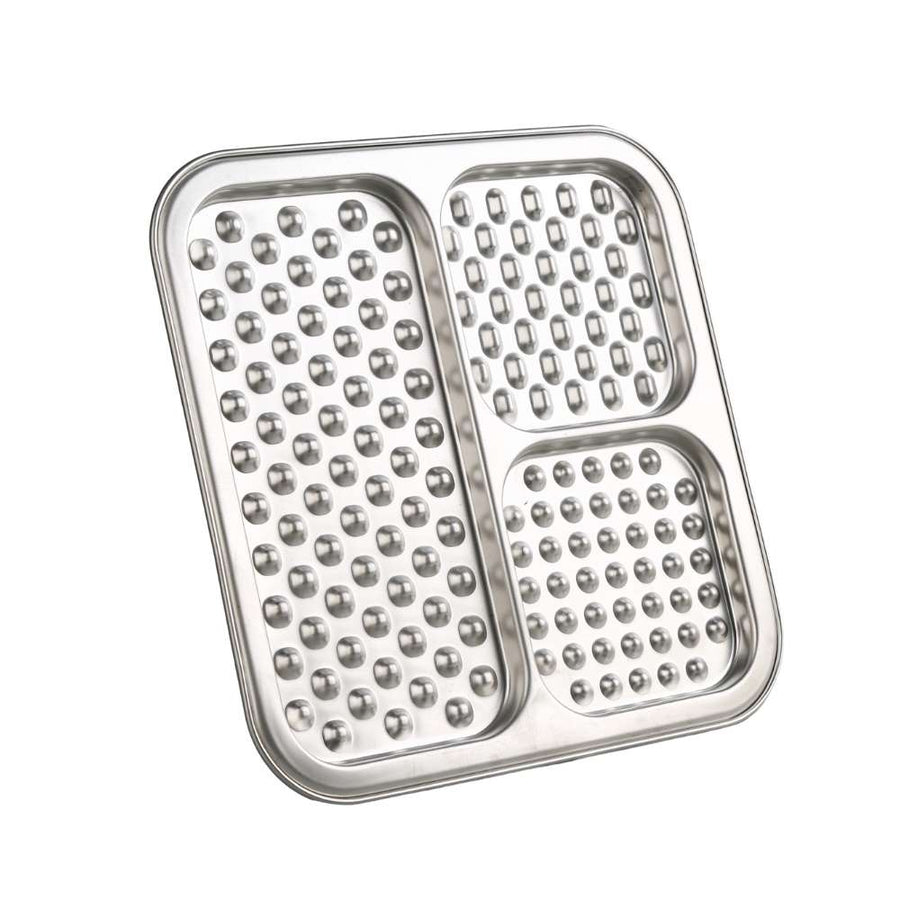
Stainless steel cat bowls are the most hygienic widely available option. The surface doesn't scratch the way plastic does, and scratches are exactly where bacteria most readily accumulate over repeated use.
Stainless steel is lightweight, dishwasher safe, and highly durable, making it a practical everyday choice. Some cats are sensitive to the cold surface temperature in winter or find the metallic sound against the floor off-putting, which is worth observing if your cat seems reluctant to use a new stainless steel bowl.
Elevated Cat Bowls
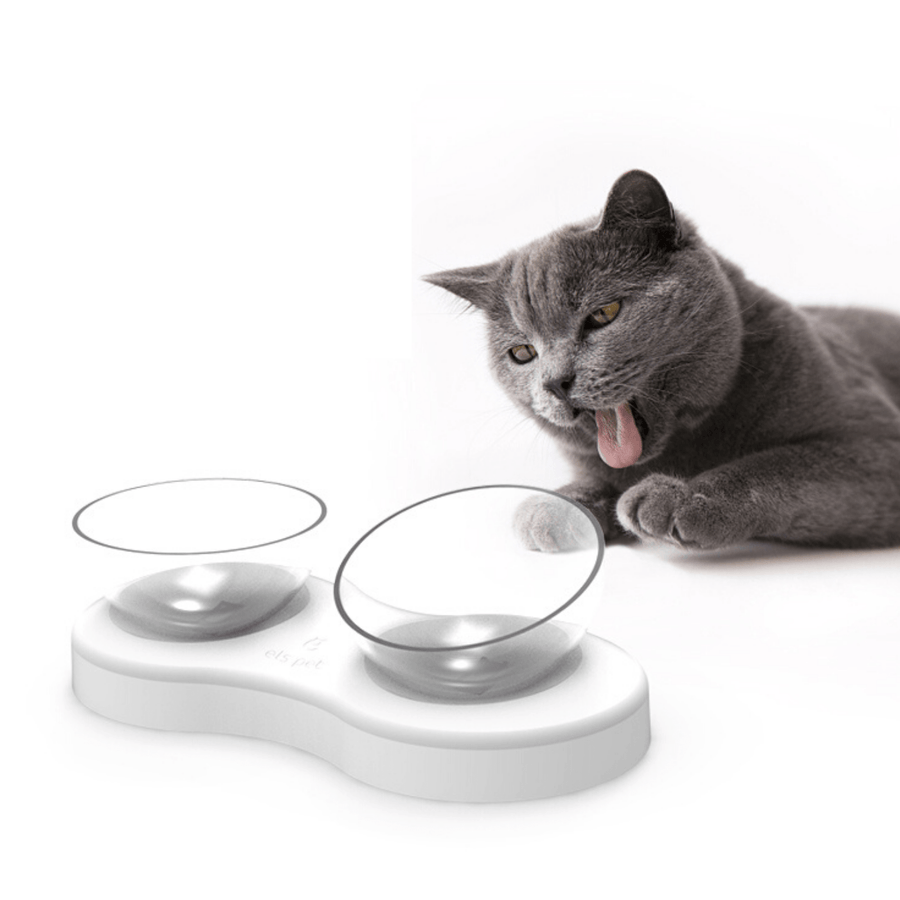
Elevated cat bowls raise the feeding position off the floor, reducing how far a cat needs to lower their head and neck to eat. This can genuinely help some cats eat in a more relaxed posture, particularly larger cats, senior cats with arthritis or general age-related stiffness, and cats with megaesophagus or other conditions affecting swallowing, where an elevated position can assist food movement toward the stomach.
A raised cat food bowl set typically combines two bowls (food and water) into a single elevated stand, often at an adjustable height to suit growing kittens or multiple cats. As a general guide, the bowl rim should sit roughly level with your cat's chest height when standing normally; high enough to ease neck strain, not so high that your cat needs to stretch upward awkwardly.
Personalised Cat Bowls
A personalised cat bowl has your cat's name printed onto the bowl. This is a popular choice for multi-cat households where keeping each cat's feeding bowl clearly identifiable matters, as well as a nice personal touch for a new kitten's first bowl set.
Cat Water Bowls: A Separate Consideration from Food
Cat water bowls deserve their own attention, separate from food bowls. Cats are natural under-drinkers, and inadequate water intake is a documented contributing factor in feline lower urinary tract disease and chronic kidney disease: two of the most common health conditions affecting cats. A wide, shallow water bowl (avoiding the same whisker fatigue issue that affects food bowls) positioned away from the litter box and food, in a quiet area your cat already frequents, encourages more consistent drinking.
For cats that show little interest in a standard water bowl, a circulating cat water fountain is often more effective at encouraging adequate intake. See our cat water fountain range for more detail.
Should Food and Water Be in the Same Bowl?
You can use the same bowl for both food and water, but most owners and vets recommend separate bowls. Food residue in a shared bowl reaches and contaminates water faster than most people notice, and cats are sometimes deterred from drinking water that smells or tastes of food. Separate cat feeding bowls and water bowls keep both fresher for longer and make it easier to monitor your cat's water intake specifically; a useful early indicator of hydration habits or potential health changes.
Sizing and Multi-Cat Households
Cat bowls don't need to be large. Most cats eat small, frequent portions rather than one large meal, so capacity matters less than shape and width. A standard cat food bowl with a wide, shallow profile suits the vast majority of adult cats regardless of breed size.
In multi-cat households, provide separate bowls for each cat rather than one shared set. This reduces resource competition and lets you monitor each cat's individual eating and drinking habits, which can be an early sign of illness if one cat's intake changes noticeably from their normal pattern.
Caring for Your Cat's Bowls
- Daily washing: Wash food and water bowls daily with warm water and a mild detergent. Residue builds up quickly even with smooth-surfaced bowls.
- Check for wear regularly: Inspect bowls for deep scratches, chips, or stains that don't lift with normal washing.
- Replace when worn: Replace any bowl showing significant scratching, chipping, or staining. These can harbour bacteria regardless of how thoroughly you clean them, and chips on ceramic bowls create sharp edges that are uncomfortable or unsafe for your cat.
- Dishwasher safety: Most stainless steel and ceramic bowls are dishwasher safe. Check the specific product for confirmation, as some decorative finishes on cute cat bowls may recommend hand washing to preserve pattern or glaze.
Note:Guidance on posture and swallowing-related conditions is provided for general information. For cats with diagnosed joint or swallowing conditions, consult your veterinarian before choosing feeding equipment.