Why Your Cat's Bed Matters More Than You Might Think
Cats are not indiscriminate sleepers. They are highly selective about where they rest, and a cat that avoids their bed in favour of the back of the sofa or the top of a wardrobe is usually communicating something specific: the bed is the wrong size, in the wrong location, the wrong temperature, or the wrong shape for their sleep style.
The RSPCA identifies access to comfortable, secure resting spaces as a core component of cat welfare, particularly for indoor cats, who rely entirely on their home environment to meet their behavioural needs. A cat that sleeps well is a cat that is lower in stress, more socially engaged, and less likely to develop anxiety-related behaviours such as over-grooming or hiding.
For senior cats and cats with arthritis or joint conditions, bedding choice becomes a veterinary consideration. Orthopedic cat beds with memory foam or high-density filling relieve pressure on joints during sleep and are widely recommended by vets for cats over ten years of age or cats with diagnosed musculoskeletal conditions.
Types of Cat Beds: Which Style Suits Your Cat?
Cat Cave Beds
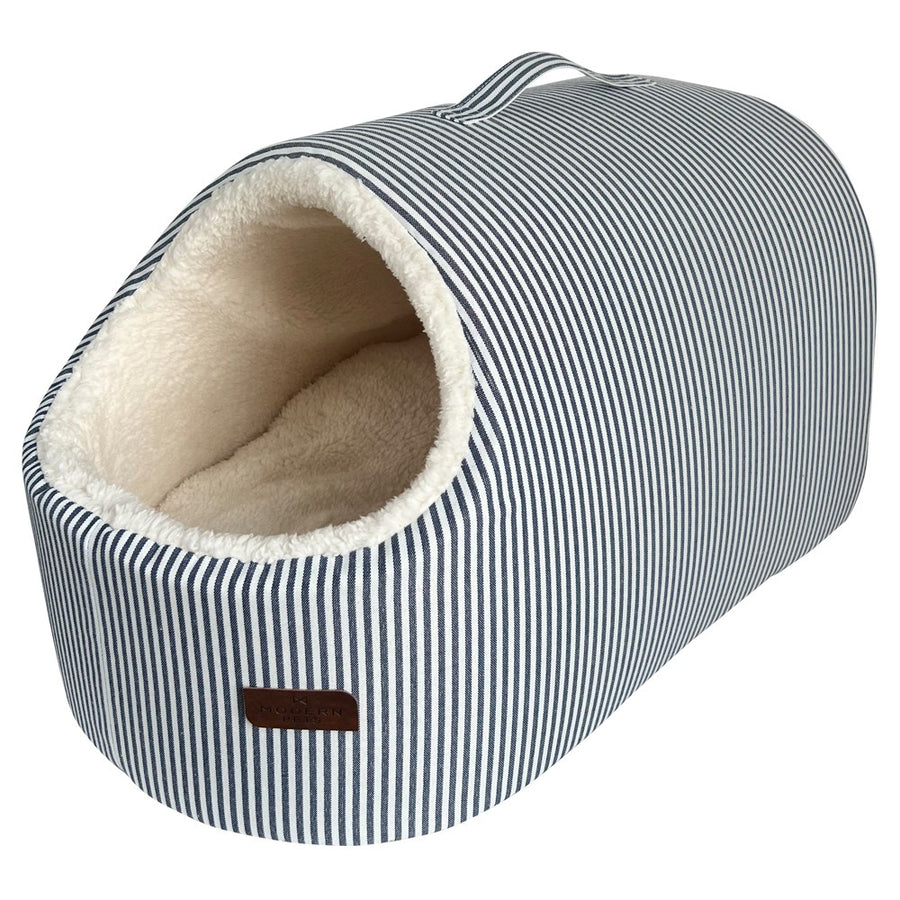
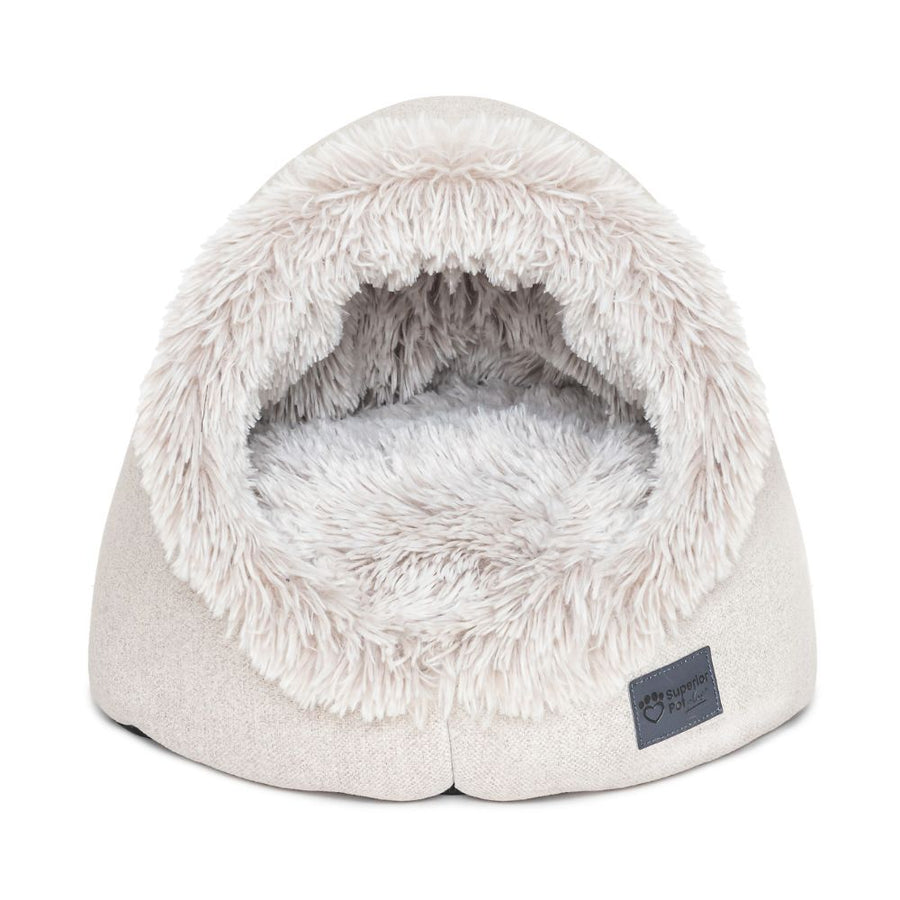
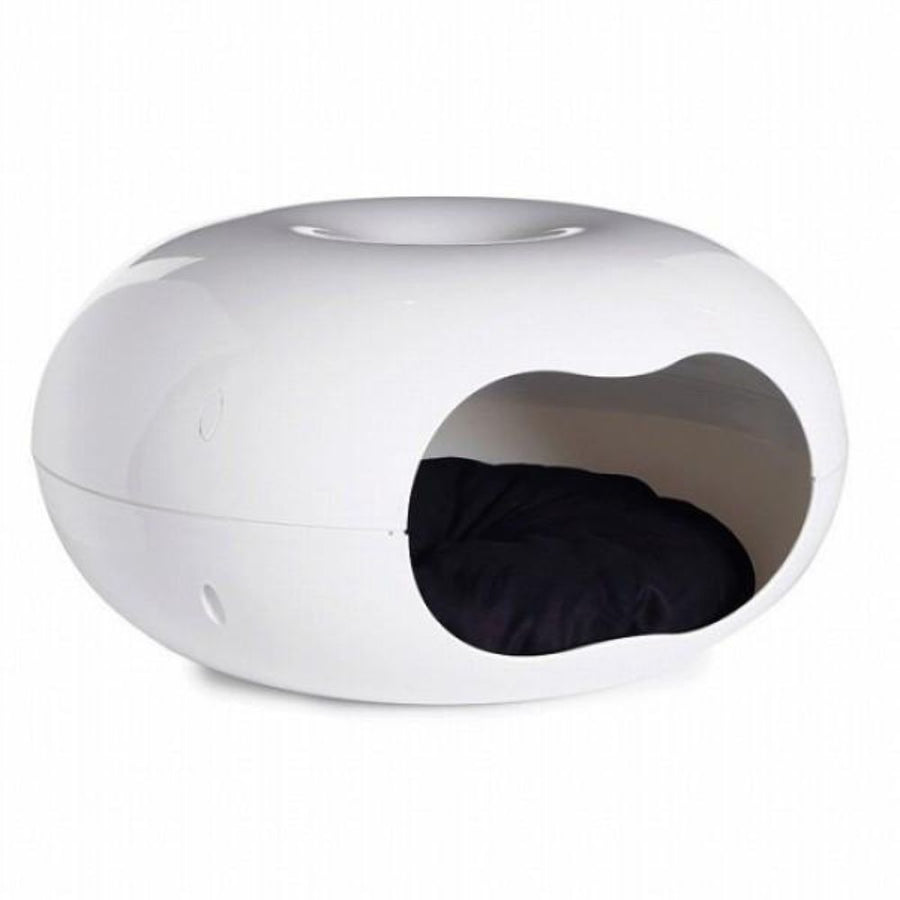
A cat cave (also called a cat bed cave, cat cave bed, or pet cave) is a fully enclosed, dome-shaped bed with a single-entry opening. It mimics the den-like spaces cats instinctively seek for deep, secure sleep. Cats that burrow under blankets, sleep in tight corners, or hide in boxes are strong candidates for a cat cave bed.
Cat caves are typically made from soft felt, fleece, or plush materials that retain warmth, making them particularly popular in cooler months and for cats that feel the cold. The enclosed structure reduces ambient noise and light, creating a calmer sleep environment than an open bed.
Our cat caves in Australia combine a generous internal diameter (at least 35–40cm for average adult cats) with a flexible opening that allows entry without resistance. Smaller openings feel more secure to cats; wider openings suit cats that are less comfortable with full enclosure.
A cat cave bed is one of the most popular styles we stock, and consistently among the best cat beds in Australia.
Dome Cat Beds
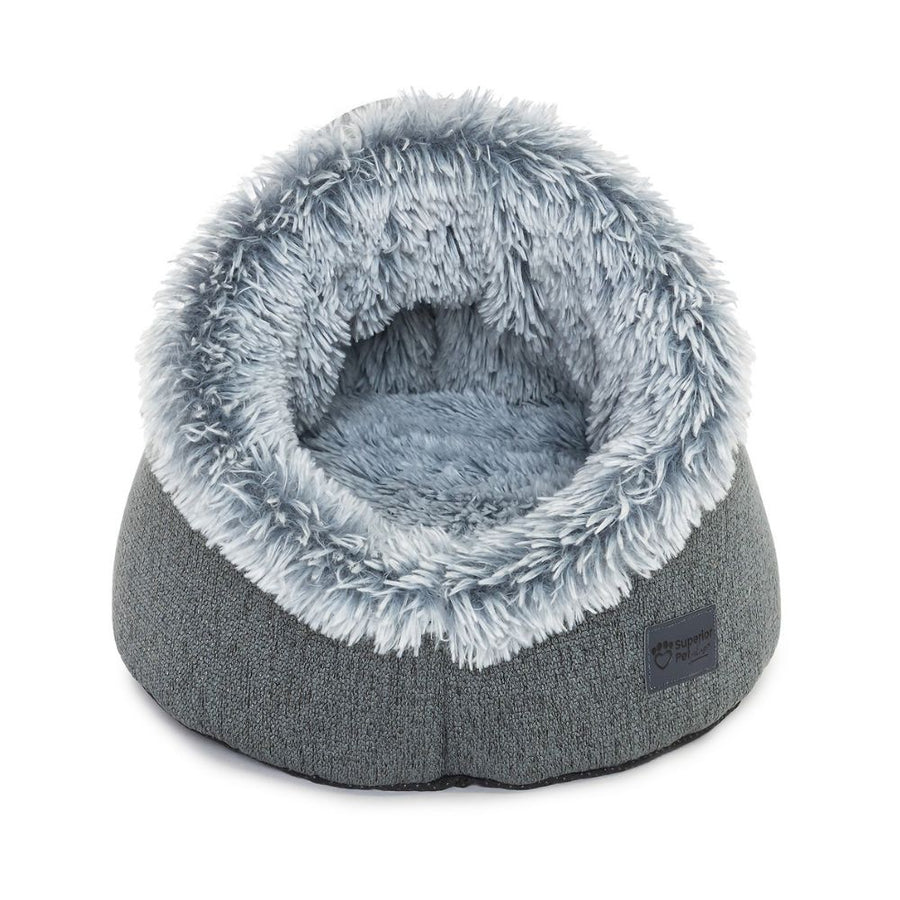
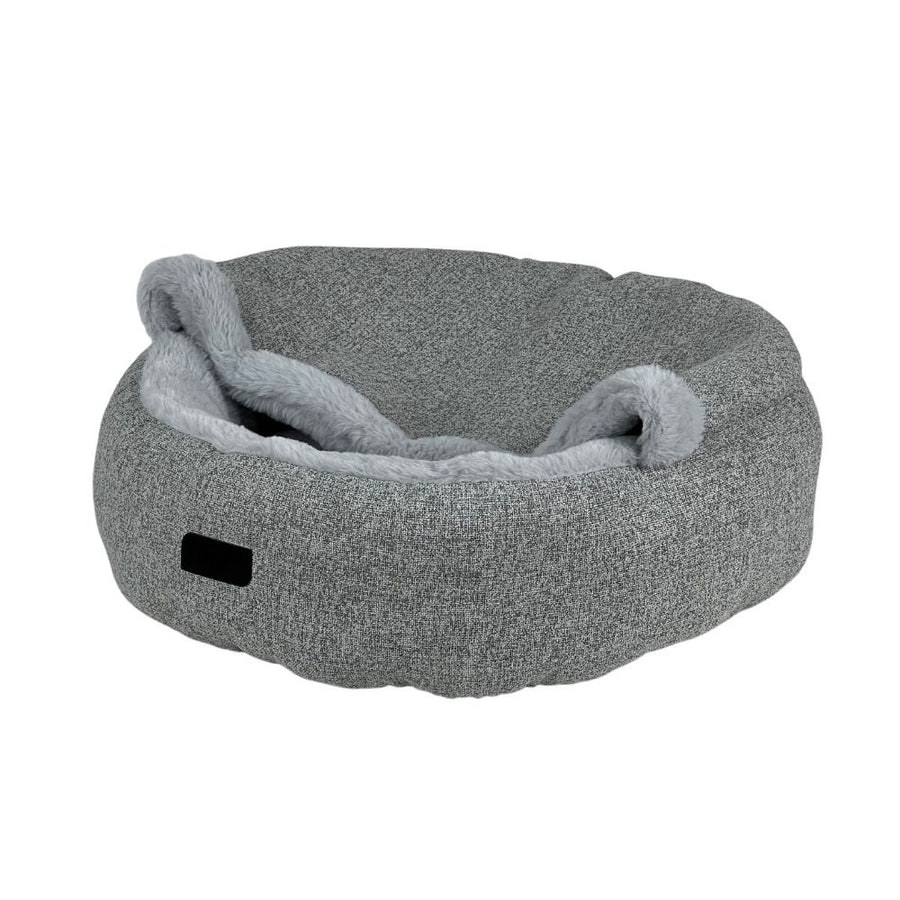
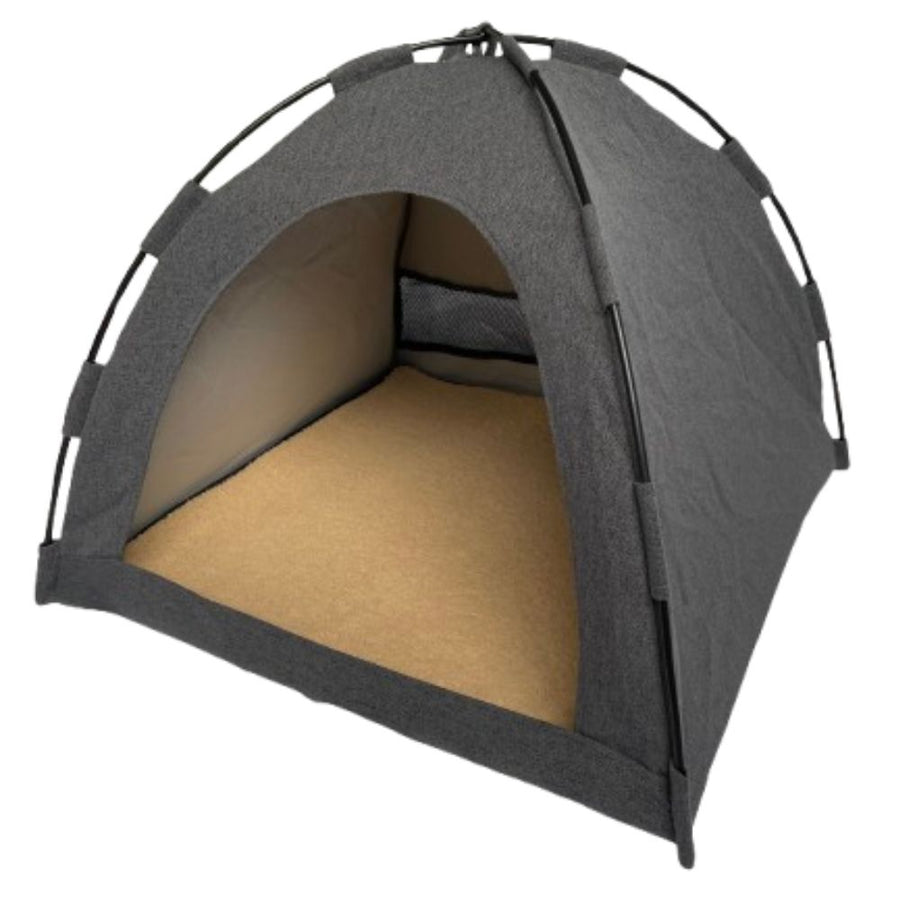
A dome cat bed is a semi-enclosed design: arched or hooded rather than fully enclosed like a cat cave. The canopy provides a sense of shelter and security without the complete enclosure of a cave bed, making dome beds a good intermediate option for cats that like some coverage but find fully enclosed spaces uncomfortable.
Dome cat beds often feature a removable hood, allowing you to convert between an open lounger and a semi-enclosed bed depending on your cat's preference at different times of year or in different moods.
Bolster and Bolster-Rim Beds
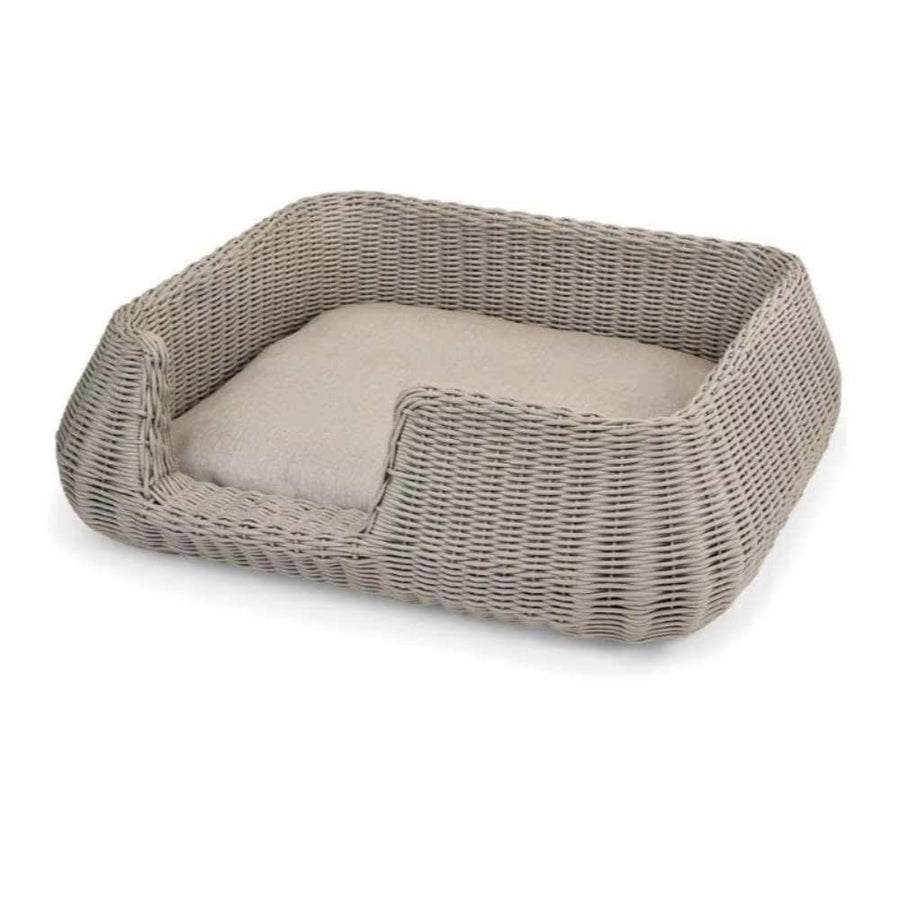
Bolster beds feature raised edges on one or more sides, giving cats a surface to rest their head or back against while sleeping. This design suits cats that sleep curled up against furniture, walls, or other pets. The bolster replicates that physical support in a dedicated bed.
Bolster beds come in a wide range of sizes and are among the most versatile options for multi-cat households. For larger breeds, like Maine Coons, Ragdolls, and Norwegian Forest Cats, look for large cat beds with bolster rims and a generous flat sleeping surface of at least 50 x 50cm.
Elevated and Platform Beds
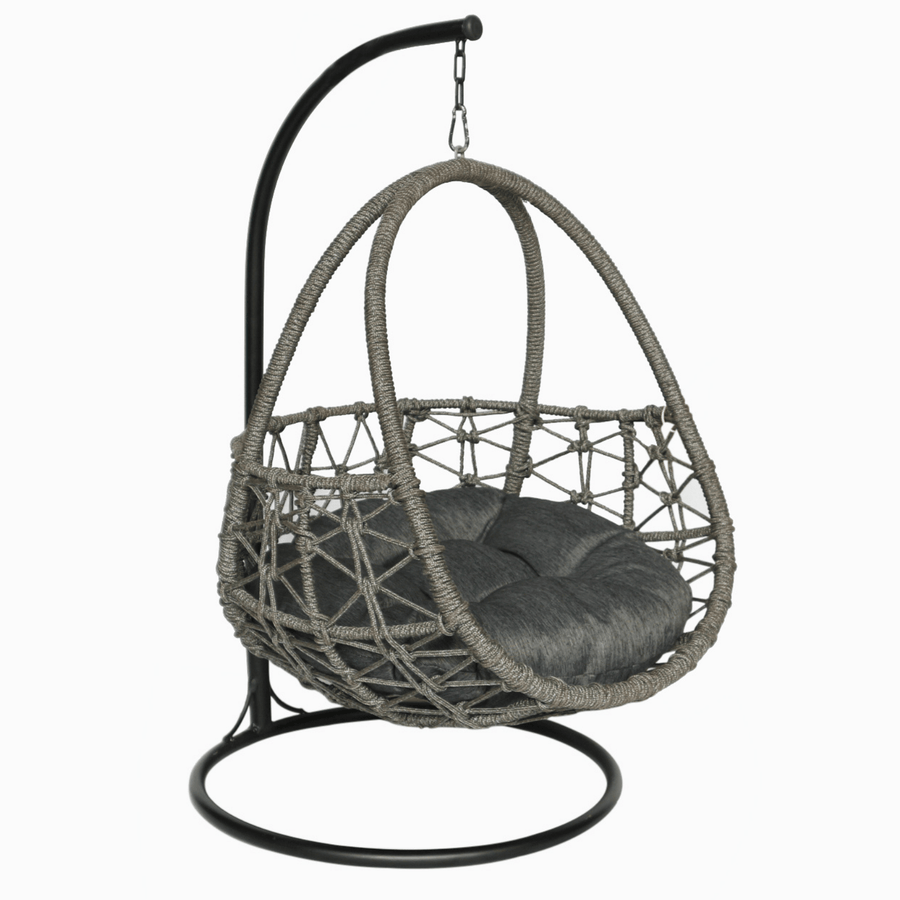
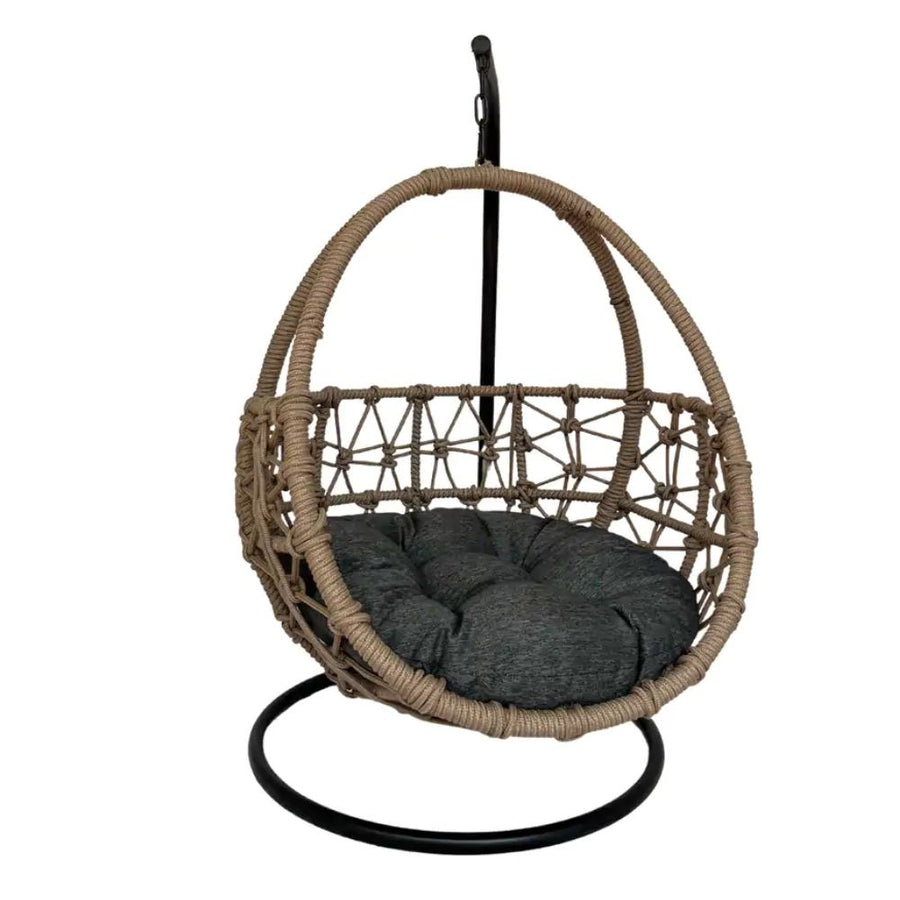
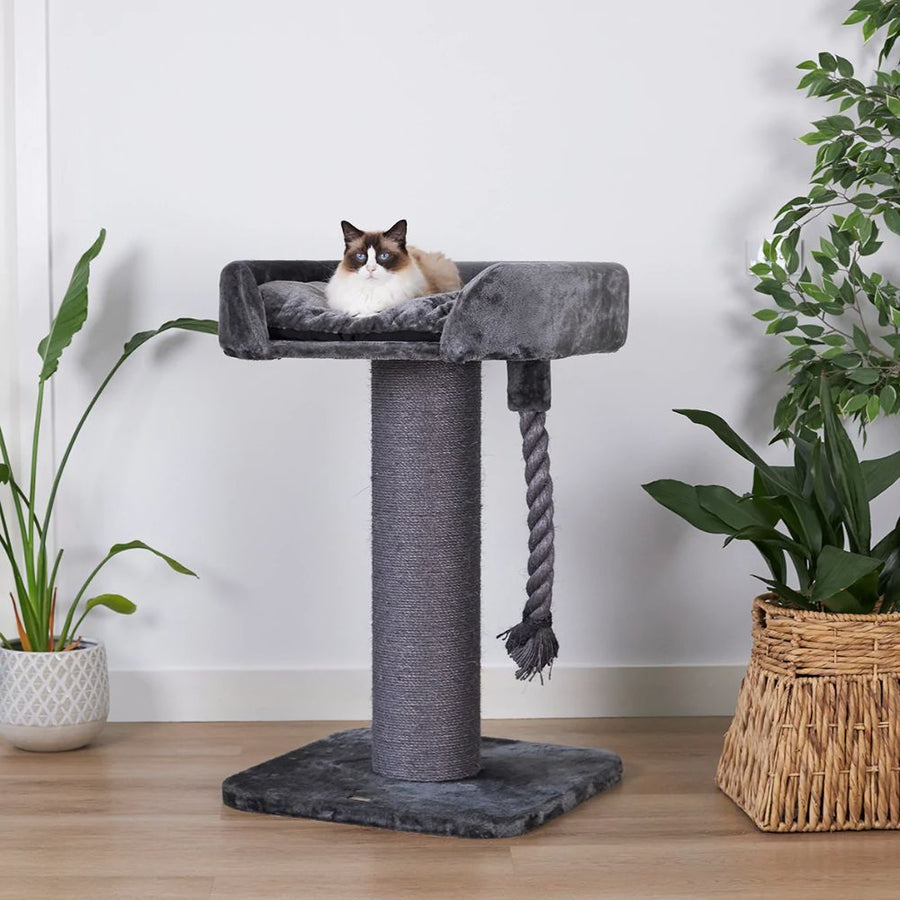
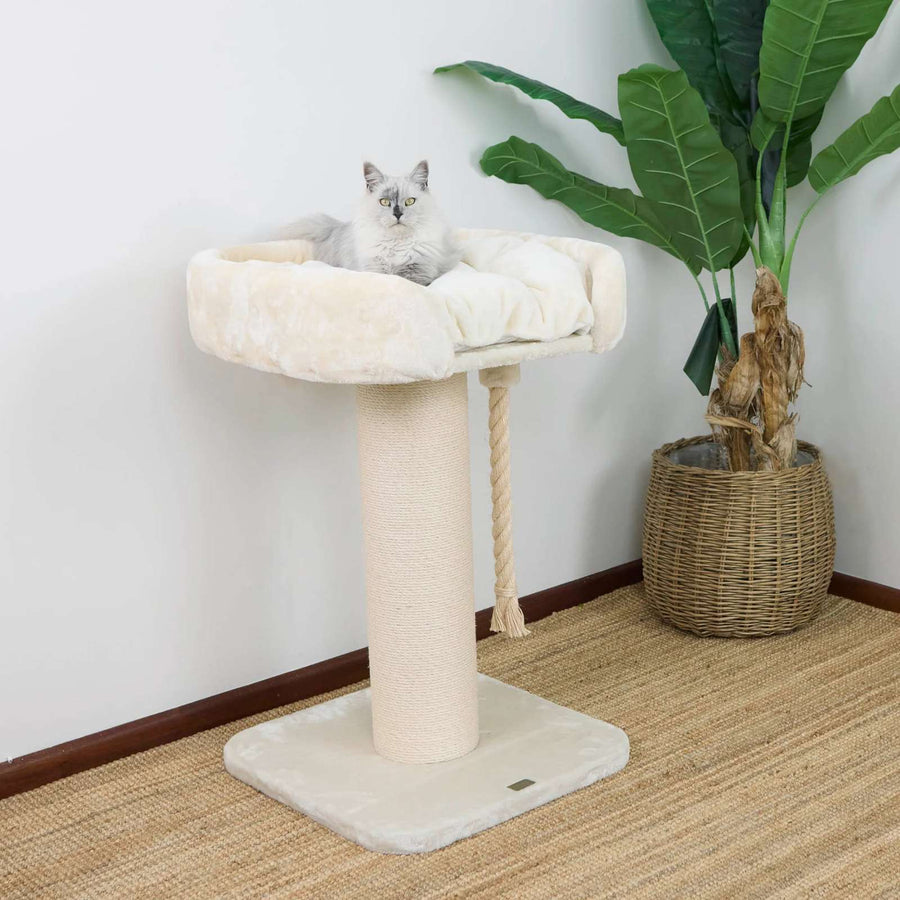
Cats feel safest when they can observe their environment from height. Elevated cat beds like raised platforms, hammock-style beds, or window perches tap into this instinct and are particularly valued by cats in busy households where floor-level activity is constant.
Window perches that attach to glass with suction cups give indoor cats access to a warm, sunny elevated spot with an outdoor view, combining physical comfort with the visual stimulation that supports indoor cat welfare.
Heated and Self-Warming Cat Beds
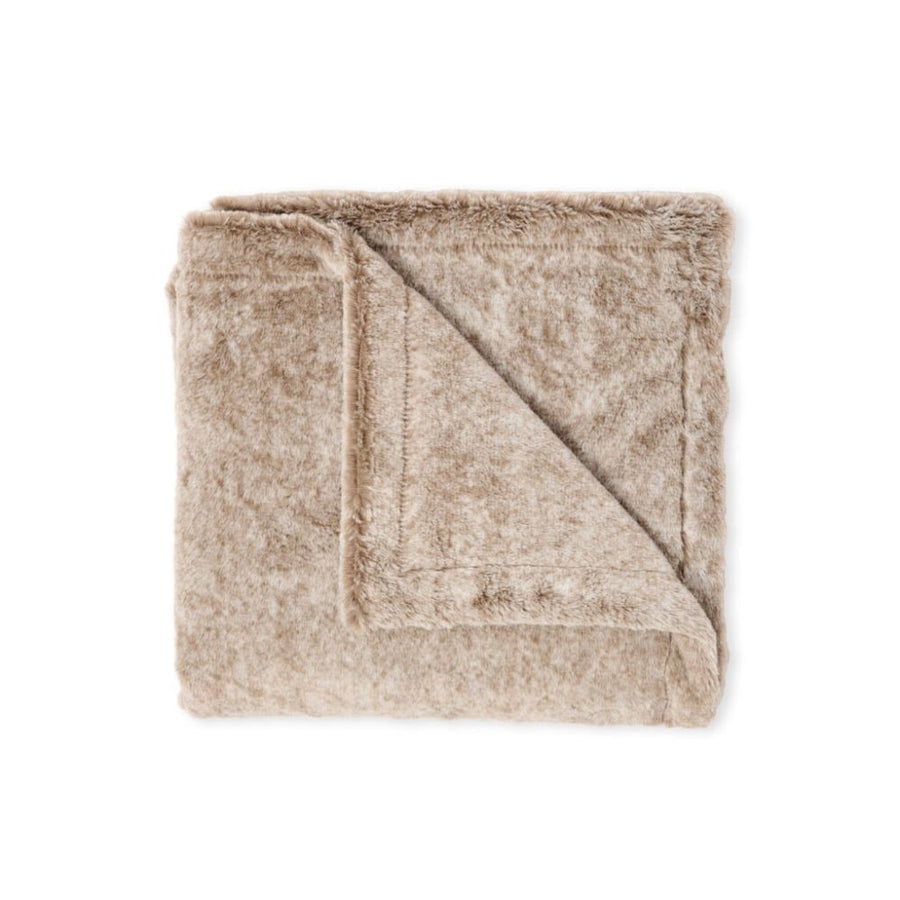
Heated cat beds are thermostatically controlled and maintain a gentle warmth that suits senior cats, cats recovering from illness or surgery, and breeds with low body fat that feel the cold easily (Sphynx and Rex breeds in particular). Self-warming beds use a reflective inner lining to return the cat's own body heat rather than drawing power, a lower-maintenance option suitable for most cats in cooler months.
For cat beds in Australia through winter, particularly in Victoria, Tasmania, and the colder parts of NSW and SA, a heated or self-warming option is worth considering.
Orthopedic Cat Beds
Orthopedic cat beds use memory foam or high-density foam filling to distribute weight evenly and reduce pressure on joints during sleep. They are specifically recommended for:
- Senior cats (generally ten years and older)
- Cats with diagnosed arthritis or hip dysplasia
- Overweight cats carrying additional joint load
- Cats recovering from surgery or injury
The difference in comfort for an arthritic cat sleeping on an orthopedic bed versus a standard cushion is significant and well-documented in veterinary literature. If your cat is slowing down, sleeping more, or showing reluctance to jump, an orthopedic bed is worth introducing alongside a vet consultation.
Designer Cat Beds
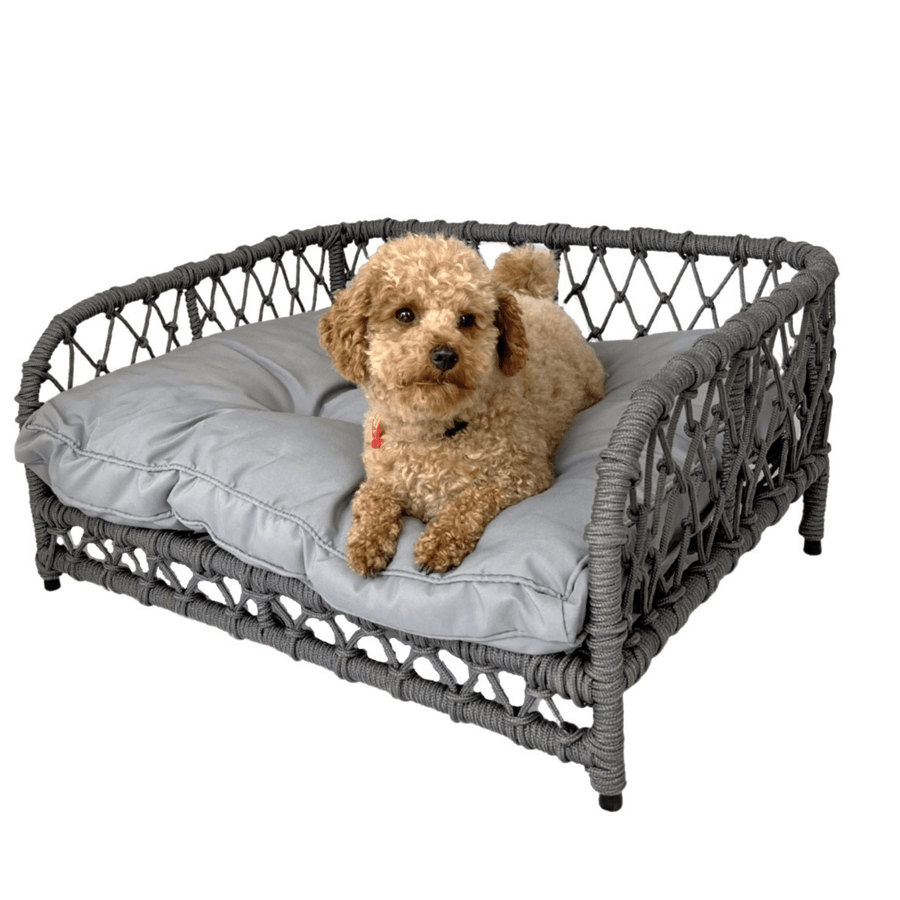
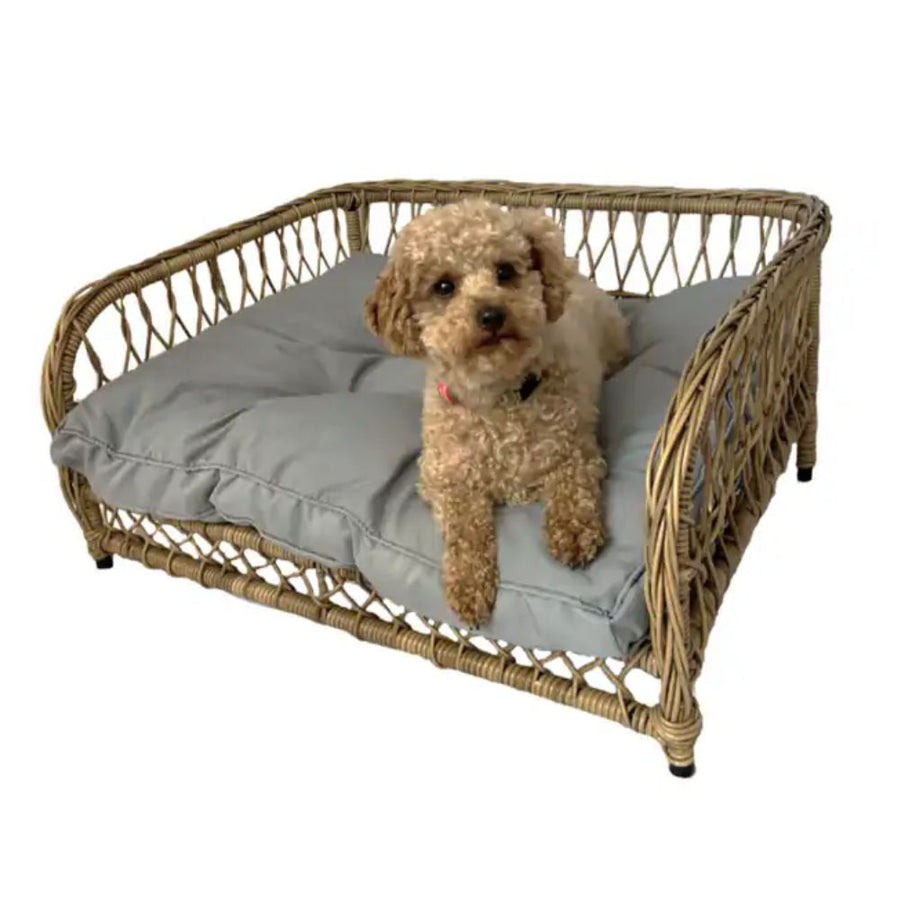
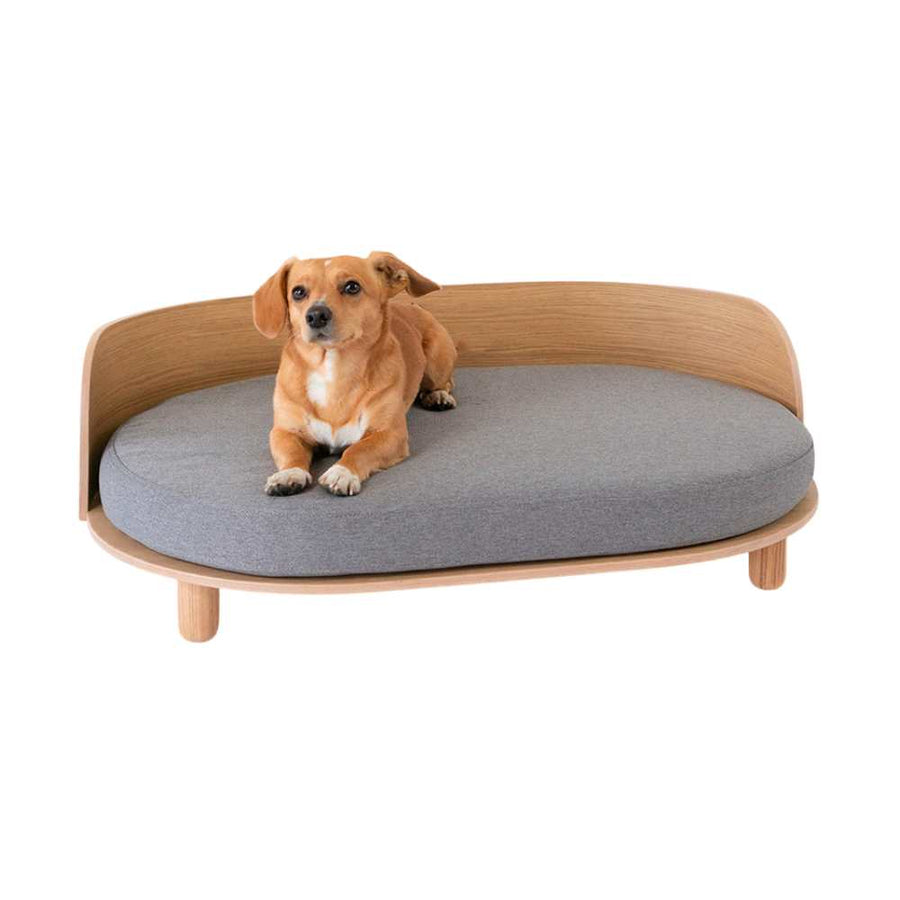
For owners who want their cat's bed to integrate with their home's interior design, designer cat bed options offer the same comfort standards as functional models with more considered aesthetics, with refined materials, neutral palettes, and shapes that suit modern interiors.
Cute cat beds in playful shapes and prints suit relaxed home environments and are popular gifts for new cat owners. If you are looking for a cat bed cute enough to display prominently in your living space without disrupting your décor, our designer range is worth exploring.
How to Choose the Right Cat Bed
Match the bed to your cat's sleep style
Observing how your cat currently sleeps is the most reliable guide to which bed style they will use:
- Curls tightly into a ball: A cat cave, cat cave bed, or bolster bed with high sides. The enclosed or semi-enclosed shape mirrors the posture.
- Stretches out fully: An open lounger or large flat cushion with minimal sides. Enclosed beds will feel too restrictive.
- Sleeps on their back: A wide, open bed with a soft, plush surface and no constriction.
- Seeks height: An elevated platform, window perch, or top-level cat tree bed.
- Burrows under things: A cat cave bed or pet cave with a flexible, closeable opening.
Choose the right size
A cat bed that is too small will be avoided; one that is too large loses the cosy, secure quality that makes cats feel comfortable. As a general guide:
- Kittens and small breeds (under 4kg): A standard small bed is sufficient, but consider buying a size up to accommodate growth.
- Average adult cats (4–6kg): Most standard beds are sized for this range. Check that the sleeping surface allows your cat to lie fully stretched.
- Large breeds (6kg+): Look specifically for large cat beds. Maine Coons, Ragdolls, and similar breeds need a sleeping surface of at least 50 x 50cm to be comfortable.
Always check the internal dimensions listed on each product page. Quoted sizes often refer to external measurements, which can be misleading.
Consider your cat's age and health
- Kittens: Soft, low-sided beds or open loungers are easiest for kittens to enter and exit. Fully enclosed cat caves may feel overwhelming initially.
- Adult cats: Most bed styles are appropriate. Match to sleep style.
- Senior cats (10+): Orthopedic filling, low entry points, and non-slip bases are the most important features. Avoid beds that require jumping to access.
- Cats with anxiety: A cat cave bed or dome cat bed provides the enclosed, den-like security that anxious cats seek. Familiar-scented bedding inside accelerates acceptance.
Think about placement before you buy
The most comfortable bed in the world will be ignored if it is in the wrong location. Cats prefer to sleep where they already feel safe and comfortable. Before purchasing, observe where your cat currently rests most often. That location is your starting point.
General placement guidance:
- Near a window: Warmth and visual stimulation make window-adjacent spots highly attractive to cats.
- Elevated positions: Shelving, the top of a bookcase, or a dedicated cat tree position suit cats that seek height.
- Quiet corners: Away from high-traffic areas, appliance noise, and direct air conditioning or heating vents.
- Multiple beds: The RSPCA recommends providing cats with multiple resting options in different areas of the home. One bed per cat, plus one additional option, is a practical guideline, particularly in multi-cat households.
Caring for Your Cat's Bed
Regular cleaning is important for hygiene and to keep the bed attractive to your cat. A bed that accumulates unfamiliar scents may be avoided.
- Removable covers: Most cat beds in our range feature zip-off or removable covers. Wash on a gentle, cold cycle and air dry.
- Foam bases: Spot-clean with a damp cloth and pet-safe detergent. Allow to dry fully before replacing the cover.
- Cat caves and felt beds: Many felt cat caves are hand-washable. Check the care label. Some are machine washable on a delicate cycle, while others should be spot-cleaned only.
- Frequency: Weekly cover washing is recommended for cats that shed heavily or spend significant time outdoors. Fortnightly is sufficient for most indoor cats.
Introduce a small amount of your cat's existing bedding or a worn item of your clothing when fitting a new bed, as a familiar scent significantly accelerates acceptance.