Why Consistent, Scheduled Feeding Matters
Leaving food out for pets to graze on throughout the day is one of the leading contributors to pet obesity in Australia. Veterinary data suggests that between 40 and 50 percent of Australian cats and dogs are overweight or obese, with excess weight associated with increased risk of diabetes, joint disease, heart conditions, and reduced life expectancy.
Scheduled, portioned feeding addresses this directly. Veterinary nutritionists generally recommend two to three measured meals per day for adult cats and dogs, rather than continuous access to food. An automatic pet feeder makes this practical without requiring you to be home for every mealtime. The feeder dispenses the right amount at the right time, every day, regardless of your schedule.
For pets that experience anxiety around food, consistent, predictable mealtimes delivered by an automatic feeder can significantly reduce feeding-related stress. Animal behaviour research identifies routine and predictability as key contributors to overall pet welfare, particularly for cats.
Types of Automatic Pet Feeders
Basic Timed Automatic Feeders
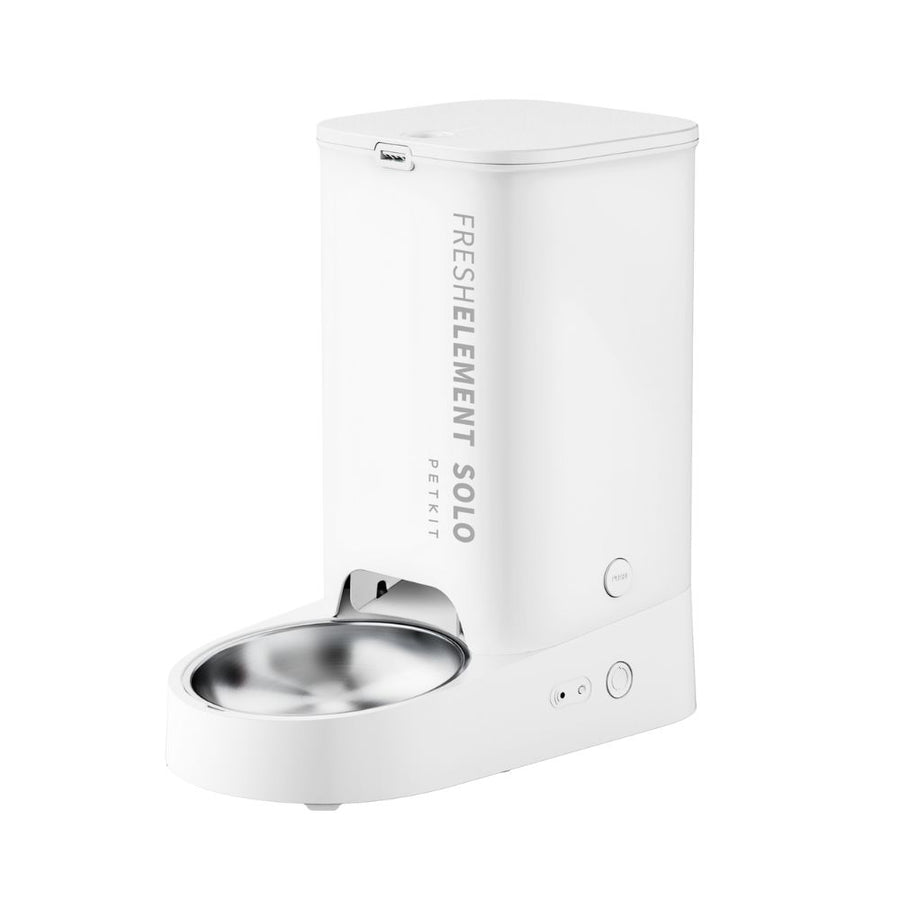
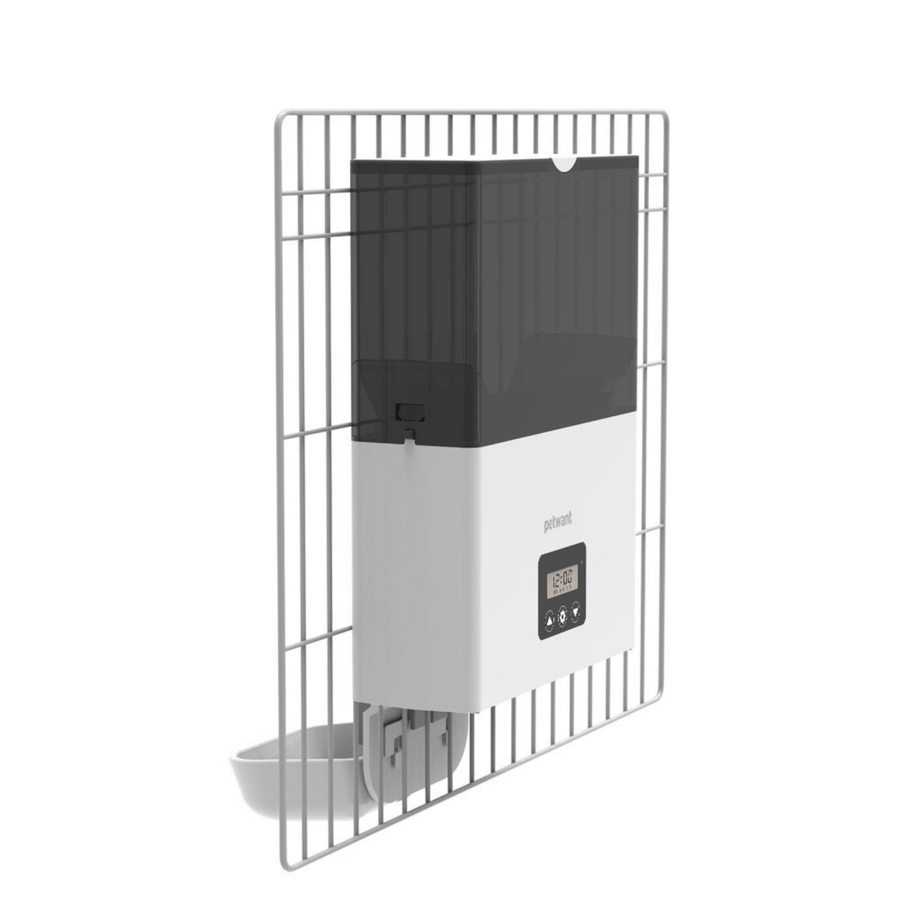
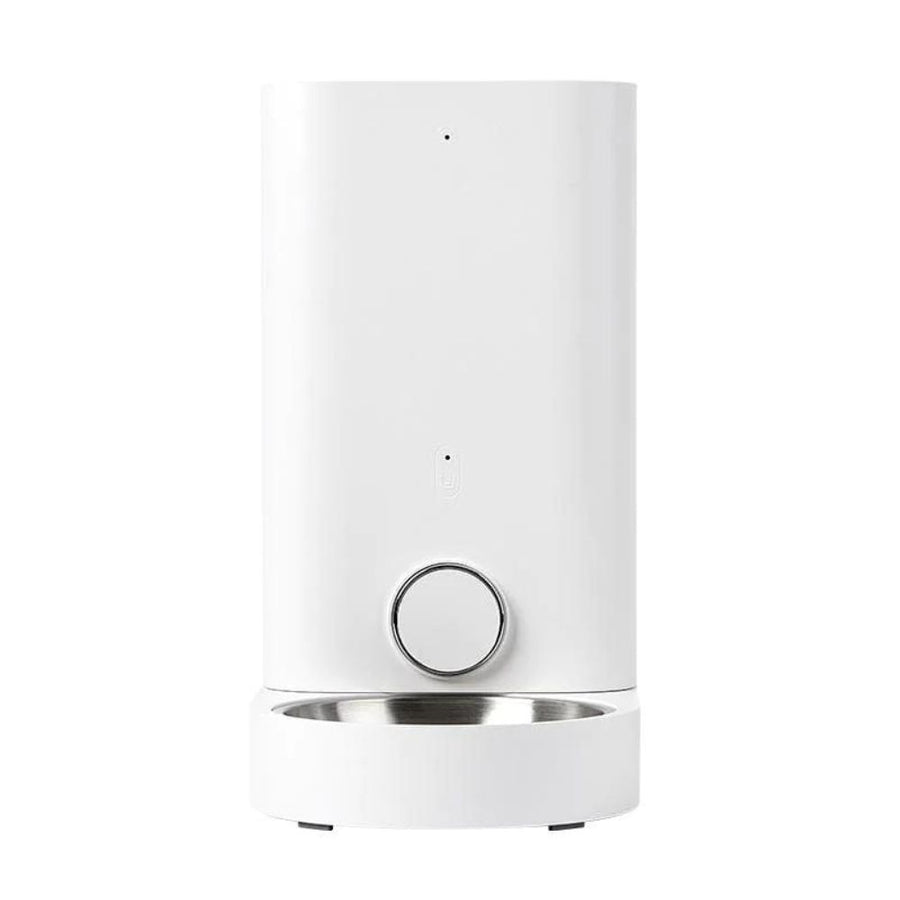
Entry-level automatic feeders use a programmable timer to dispense pre-set portions at scheduled meal times. Most allow you to set two to six meals per day with individual portion sizes. These are the most affordable option and are suitable for straightforward feeding routines with dry kibble or semi-moist food.
Look for models with a battery backup function, which is essential for maintaining feeding schedules during power outages. Without battery backup, a power interruption resets the schedule and your pet may miss meals entirely. These models suit owners who want reliable, simple scheduling without app connectivity or advanced features.
Wi-Fi and App-Controlled Feeders
Wi-Fi enabled automatic pet feeders connect to your home network and are controlled via a smartphone app. This allows you to adjust meal times and portions remotely, receive feeding notifications, and monitor your pet's eating patterns from anywhere.
App-controlled feeders are the best automatic pet feeder option for households where schedules vary day to day (travelling owners, shift workers, or anyone whose routine means they cannot set and forget a fixed daily schedule). The ability to dispense an additional meal or delay a scheduled one from your phone adds significant flexibility that basic timed models cannot match.
Most Wi-Fi feeders require a stable 2.4GHz network connection. Check compatibility with your router before purchasing, as some models do not support 5GHz networks.
Automatic Pet Feeders with Camera
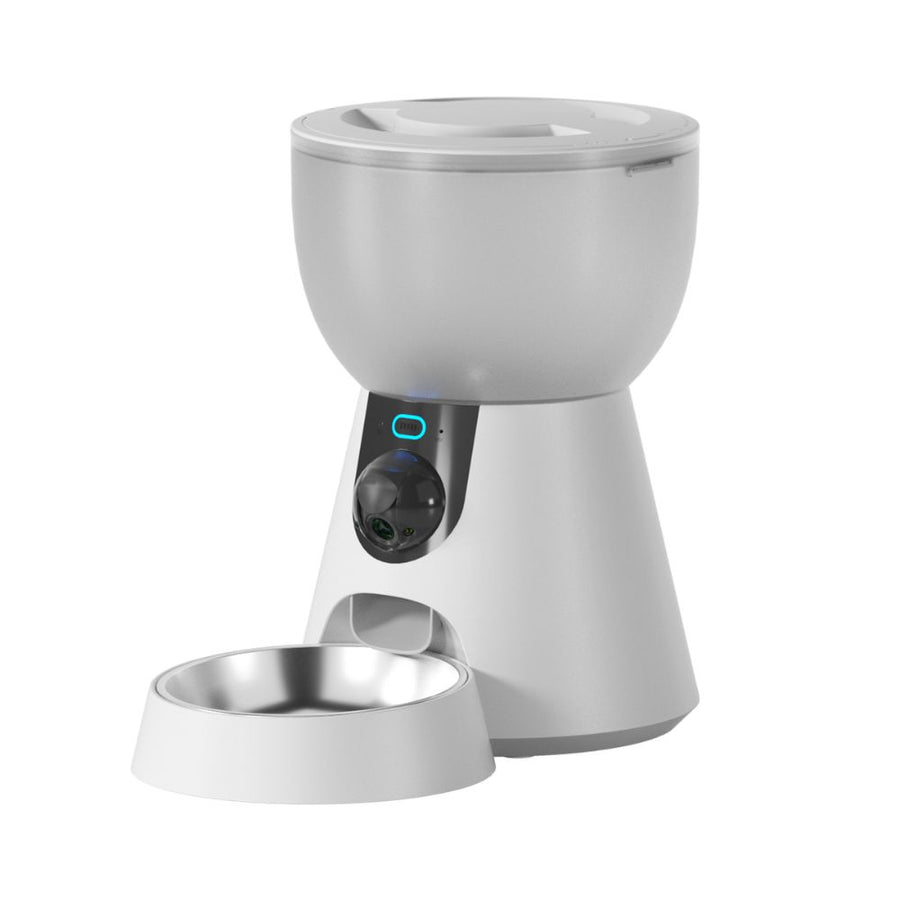
An automatic pet feeder with camera combines scheduled feeding with a built-in camera, allowing you to watch your pet eat in real time via a smartphone app. Higher-specification models include two-way audio (so you can speak to your pet during mealtimes) and motion or sound alerts that notify you when your pet approaches the feeder.
An automatic dog feeder with camera is particularly useful for owners of dogs with health conditions requiring feeding monitoring, multi-pet households where food guarding may occur, or owners who simply want the reassurance of being able to check in visually.
Camera feeders store footage either locally (via SD card) or in cloud storage. Check the storage method and any associated subscription costs before purchasing.
Automatic Feeders for Large Dogs
Standard automatic feeders are typically designed for cats and small to medium dogs. Hopper capacities of one to two litres are insufficient for large or giant breeds that eat significantly larger portions per meal.
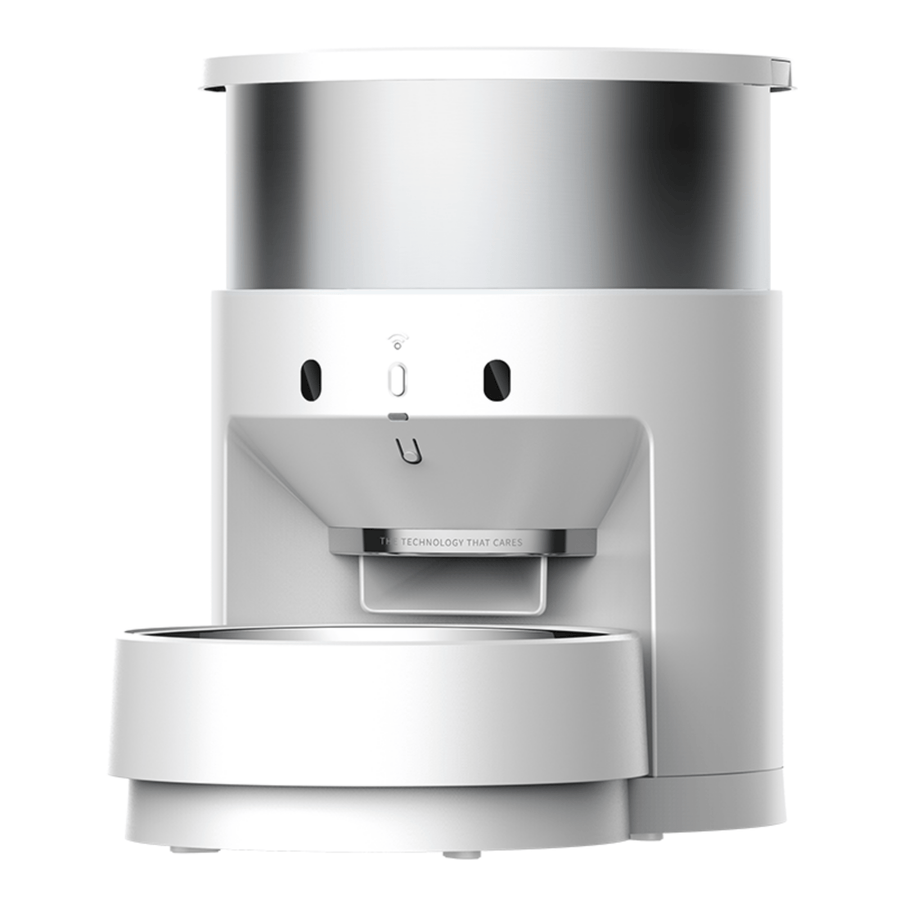
An automatic dog feeder for large dogs requires a substantially larger hopper (five litres or more for most large breeds), a more powerful dispensing mechanism to handle large-kibble sizes without jamming, and a reinforced base that cannot be easily tipped or pushed by a large, food-motivated dog.
The best automatic dog feeder for large dogs also features adjustable portion sizing with a wide range. Some large breeds require 400–600g per meal, far beyond the capacity of a standard feeder's maximum portion setting. An automatic dog feeder large breed owners should look for will clearly state its maximum single-portion output in grams, not just in cups.
For breeds such as German Shepherds, Labrador Retrievers, Golden Retrievers, and similar large dogs, always verify the feeder's hopper capacity, maximum portion size, and kibble size compatibility before purchasing.
Automatic Pet Feeder for Wet Food
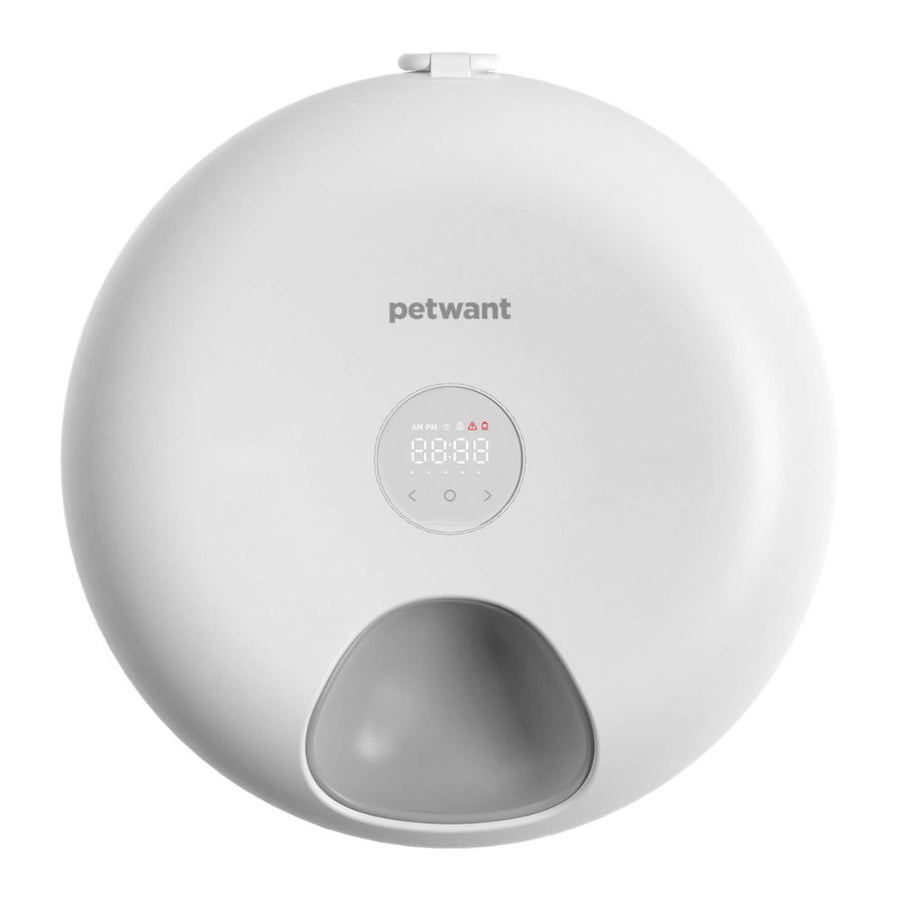
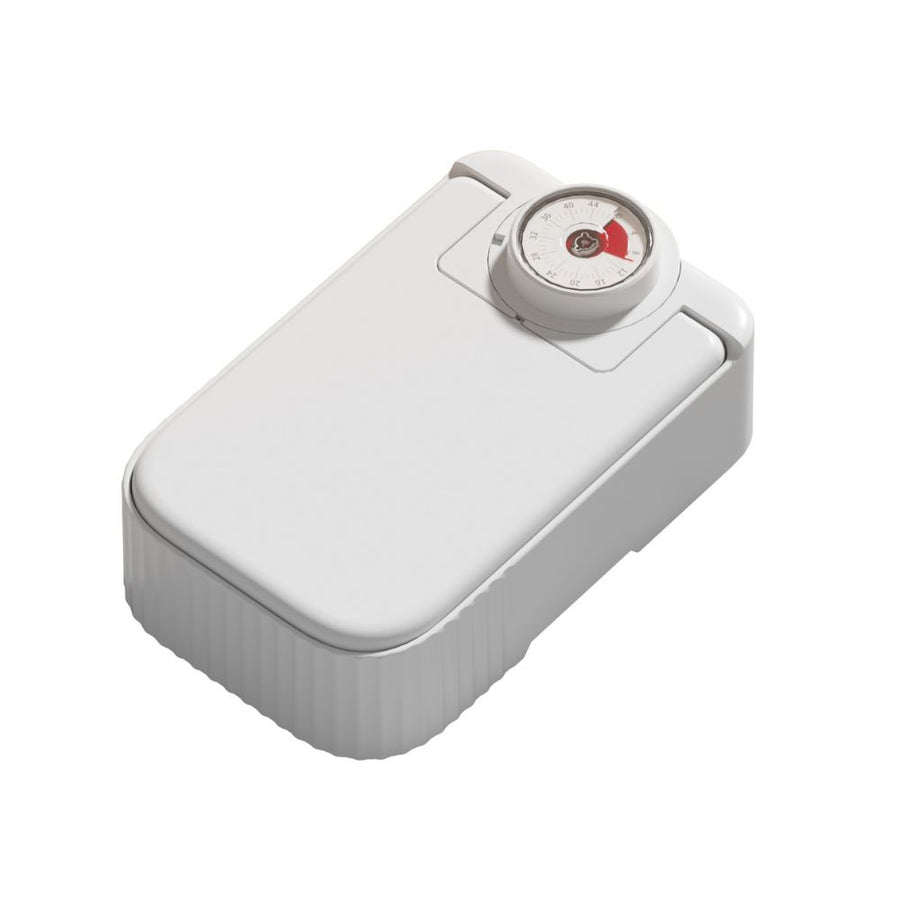
Most automatic feeders are designed for dry kibble. An automatic pet feeder wet food model uses a rotating tray system with multiple sealed compartments rather than a gravity-fed hopper. Each compartment holds a single wet food portion and rotates into position at the scheduled meal time.
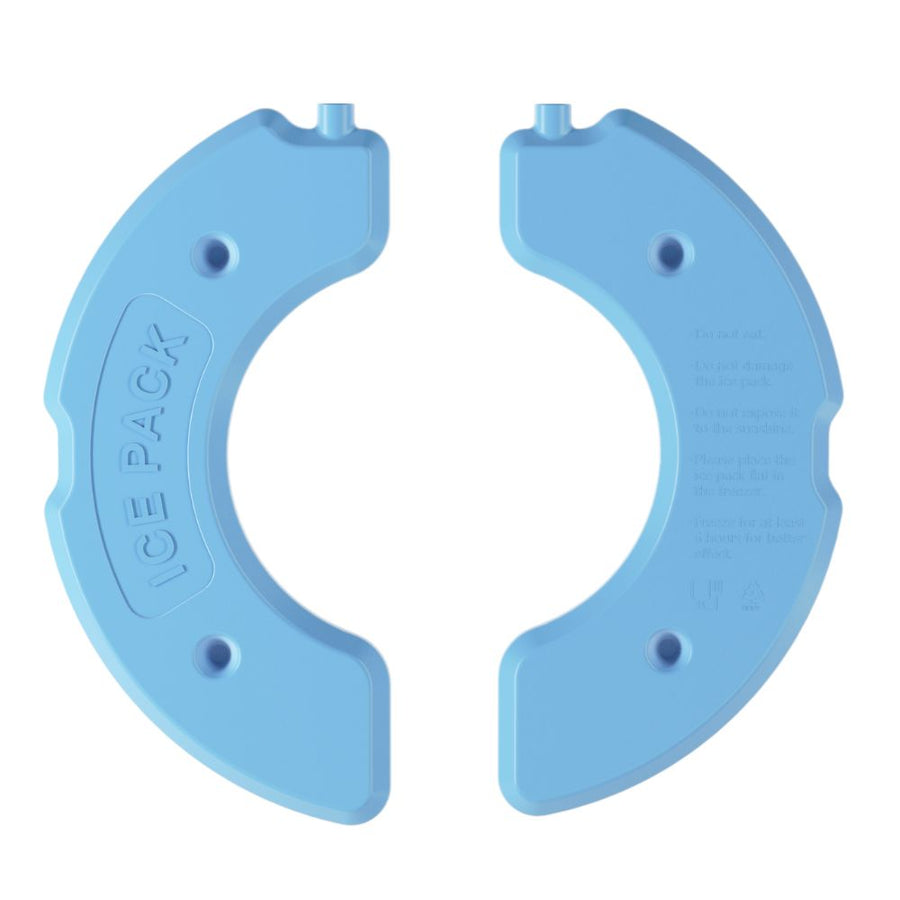
Wet food feeders typically accommodate two to five meals and are designed for same-day use rather than extended multi-day scheduling. They should be used with ice packs (included with many models) to keep wet food fresh between meals, particularly in warm weather. This is an important consideration for automatic pet feeder Australia owners use through summer, when ambient temperatures can accelerate food spoilage.
Wet food feeders are well-suited to cats on veterinary-prescribed wet food diets, cats that refuse dry food, or as a complement to a dry food feeder for pets that receive a mix of both.
Treat Dispensers and Interactive Feeders
Treat dispensers and puzzle feeders slow down eating, provide mental stimulation, and can be used to supplement regular meals or deliver medication hidden in food. Some automatic treat dispensers are app-controlled and camera-equipped, allowing remote treat delivery, which is a useful tool for pet training or for providing reassurance to anxious pets when owners are away.
How to Choose the Best Automatic Pet Feeder
Dry food or wet food?
This is the first question to settle, as it determines the feeder type entirely. Hopper-based feeders work only with dry kibble and semi-moist food. Wet food will jam, spoil, and be impossible to clean from a hopper mechanism. If your pet eats wet food exclusively or primarily, you need a rotating tray wet food feeder. If your pet eats both, consider two separate feeders rather than compromising on either.
How many pets are you feeding?
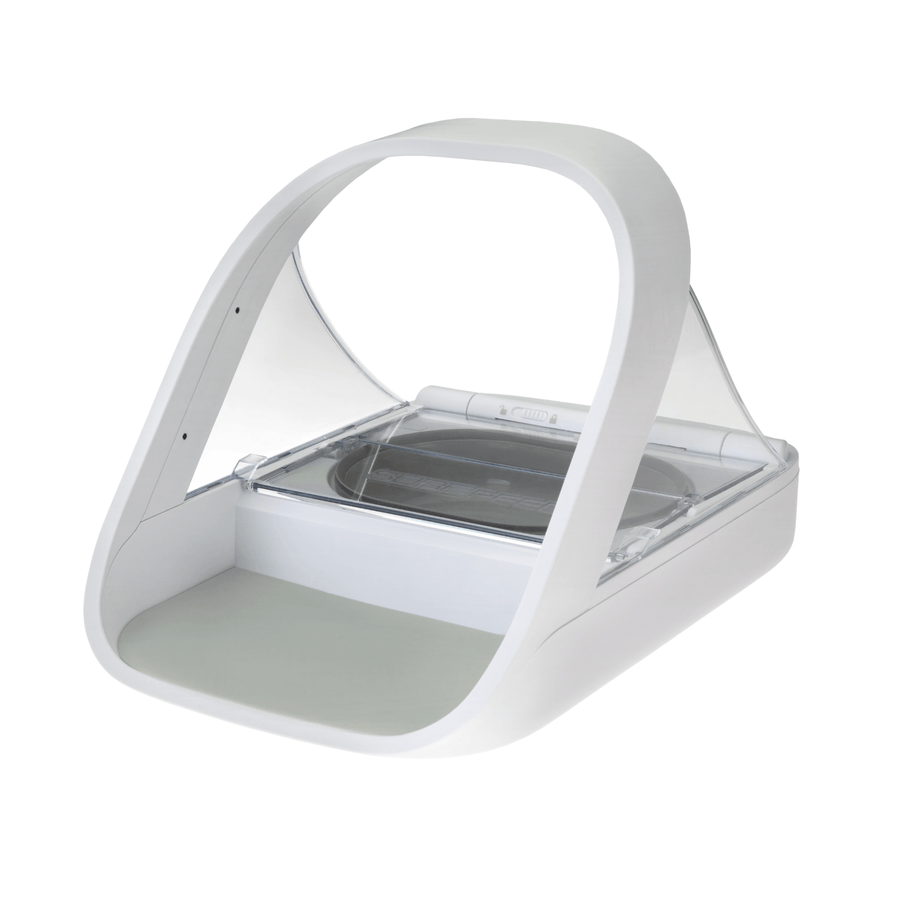
Single-pet feeders dispense into one bowl. Multi-pet households face a more complex challenge: a feeder set for one cat's portion will be consumed by whichever cat reaches it first. Solutions include microchip-activated feeders (which open only for the pet whose microchip is registered) or feeding in separate rooms with individual feeders. For multi-dog households with large and small breeds, portion requirements differ significantly, so separate feeders for each dog is the most reliable approach.
What size hopper do you need?
Hopper capacity determines how often you need to refill the feeder. As a practical guid
- Cats and small dogs (under 10kg): A one to two litre hopper typically holds enough food for one to two weeks of scheduled feeding.
- Medium dogs (10–25kg): A three to four litre hopper provides five to seven days of capacity.
- Large and giant breeds (25kg+): Look for an automatic dog feeder large dogs, with a hopper of five litres or more. Refilling a standard feeder daily defeats much of the purpose.
Power and backup
Mains-powered feeders are reliable but vulnerable to power outages. Battery-powered feeders avoid this but require regular battery replacement. The best automatic pet feeder in Australia, particularly in areas prone to storm-related outages, combines mains power with battery backup, maintaining the feeding schedule regardless of power availability.
Setting Up Your Automatic Pet Feeder
Introducing the feeder to your pet
Some pets, particularly cats, are wary of new objects that make mechanical sounds. Introduce the feeder gradually:
1. Place the feeder in your pet's feeding area without activating it, alongside their regular bowl, for two to three days.
2. Begin programming scheduled feeds while your pet watches, so they associate the dispensing sound with food appearing.
3. Once your pet is eating confidently from the feeder, remove the manual bowl.
For dogs, the transition is usually faster. Most food-motivated dogs investigate and accept a new feeder within the first scheduled meal.
Programming portion sizes correctly
Portion sizes on automatic feeders are typically measured in "portions" or "cups" rather than grams, and these measurements vary significantly between models. Always cross-reference the feeder's portion measurements against your pet food packaging's recommended daily amount, and weigh a sample portion on a kitchen scale when first programming the feeder to confirm accuracy.
Your vet is the best source of guidance on appropriate daily caloric intake for your specific pet, particularly for pets that are overweight, underweight, or on a therapeutic diet.
Cleaning and maintenance
Automatic feeders require regular cleaning to prevent food residue buildup, which can harbour bacteria and deter pets from eating. Most hoppers and trays are dishwasher safe or hand-washable. Clean the feeder at every refill as a minimum, and inspect the dispensing mechanism for blockages if portions become inconsistent.
Note: Guidance on pet nutrition, portion sizing, and weight management is provided for general information. For pets with specific dietary requirements, health conditions, or significant weight concerns, consult your veterinarian before making changes to feeding routines.