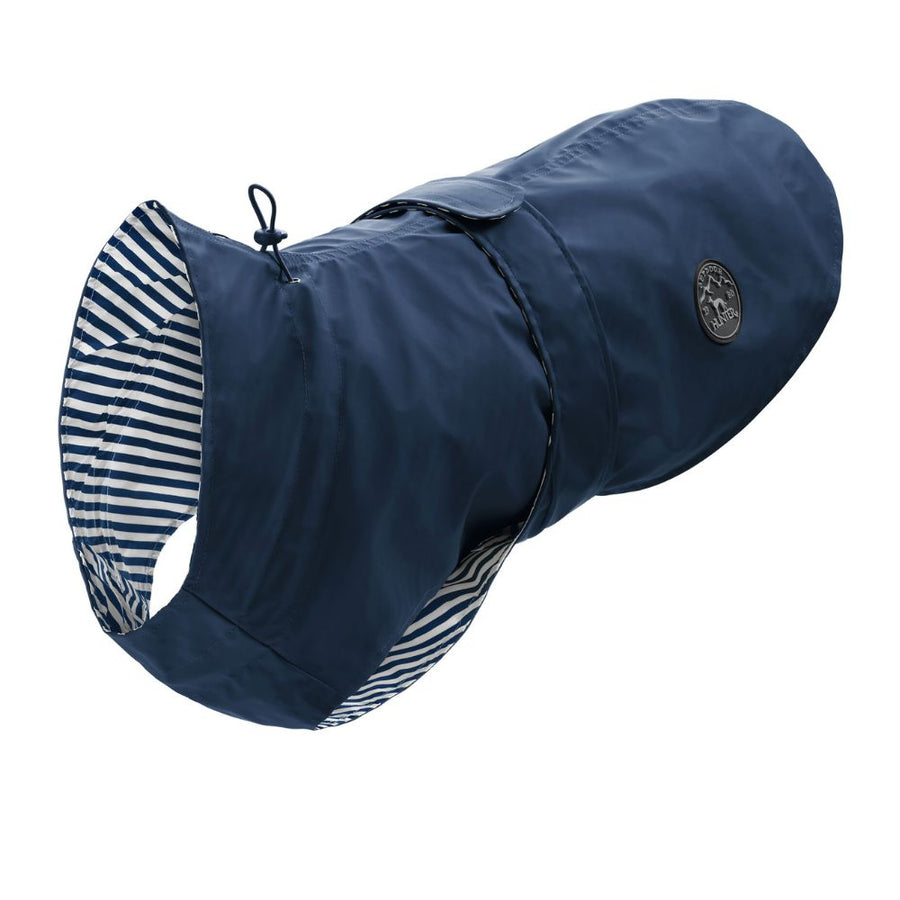
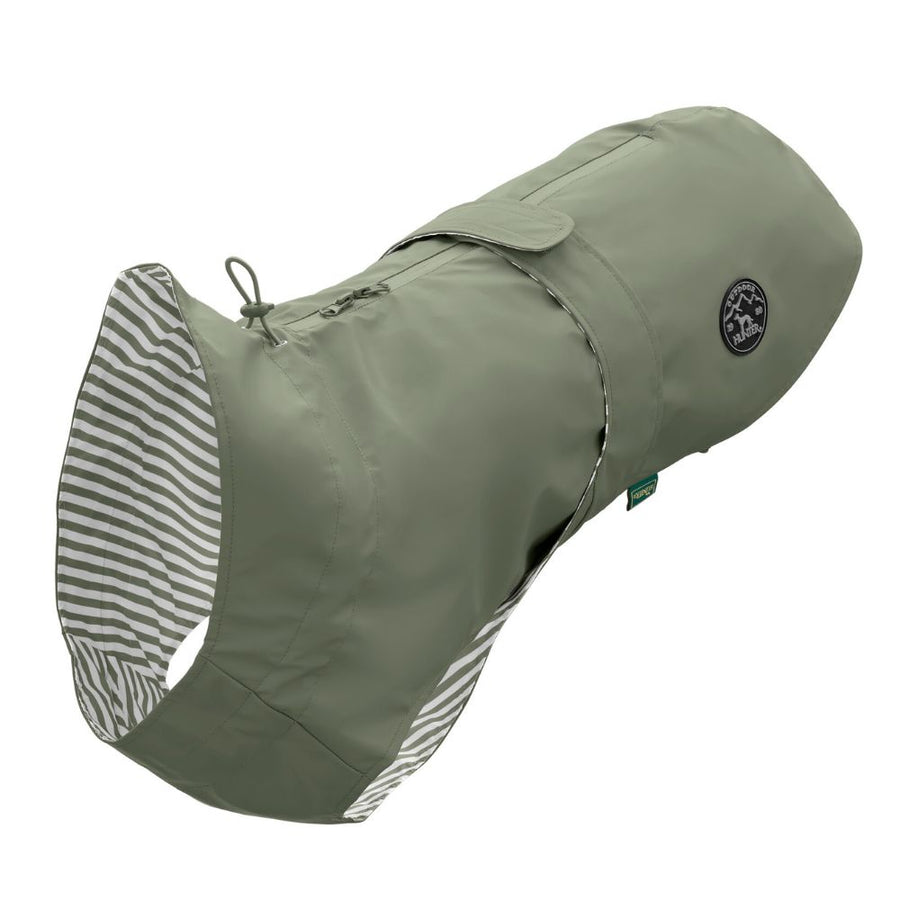
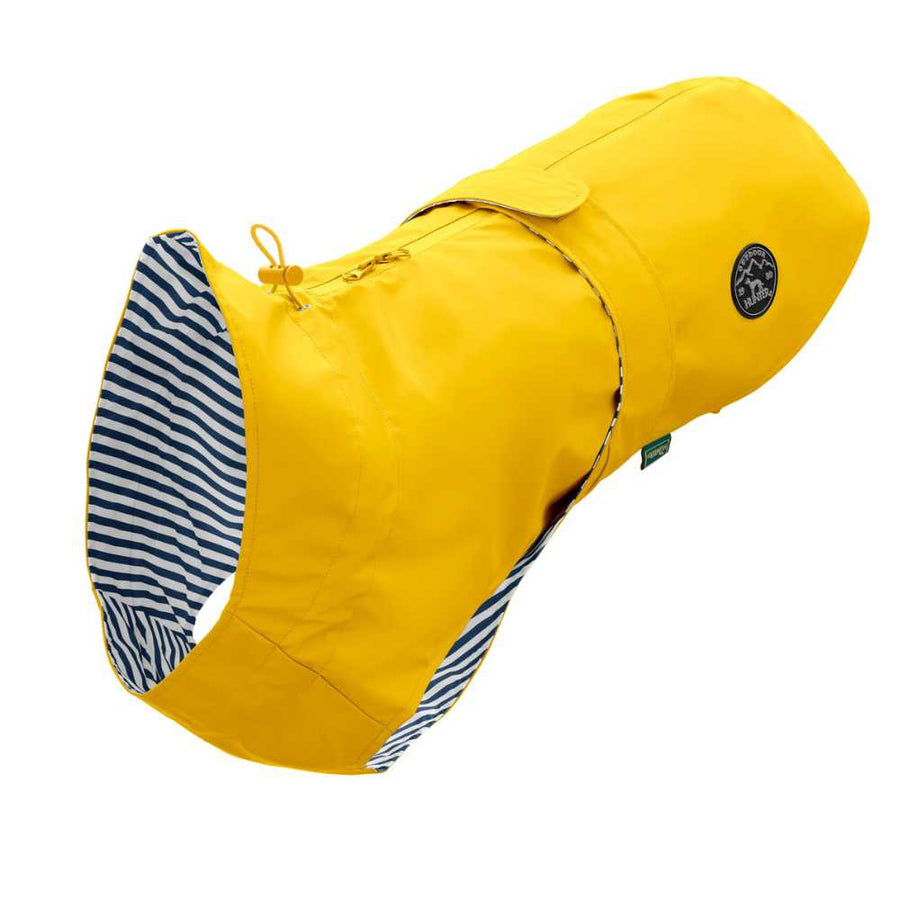
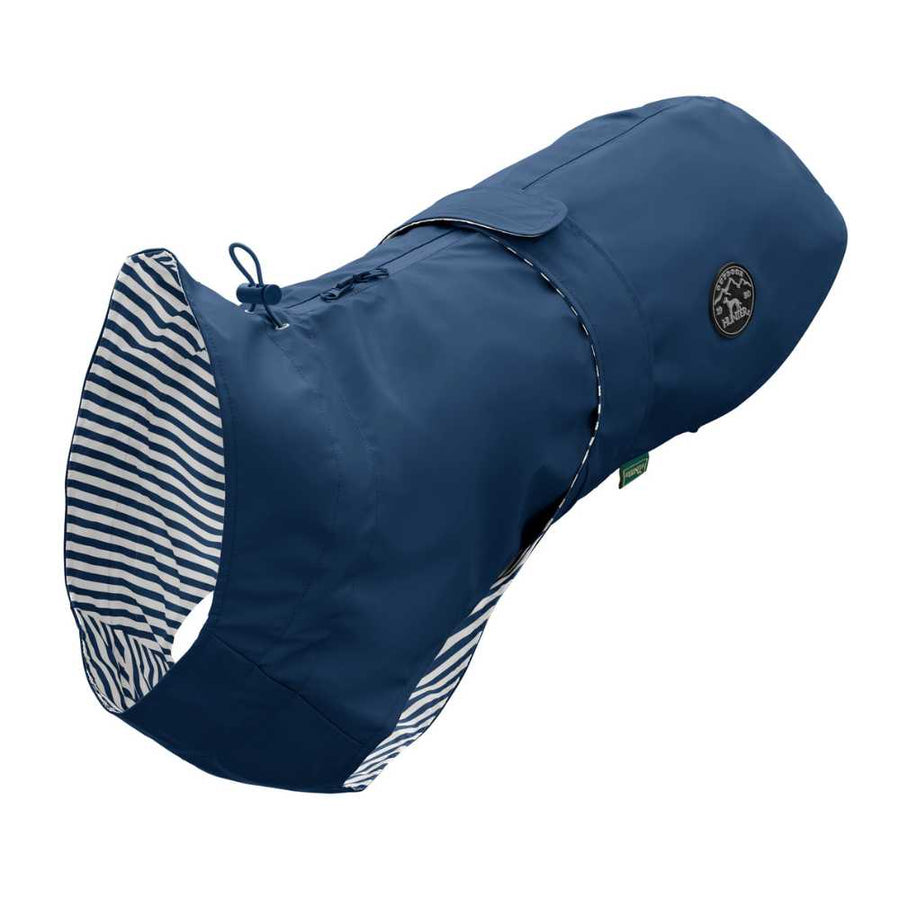
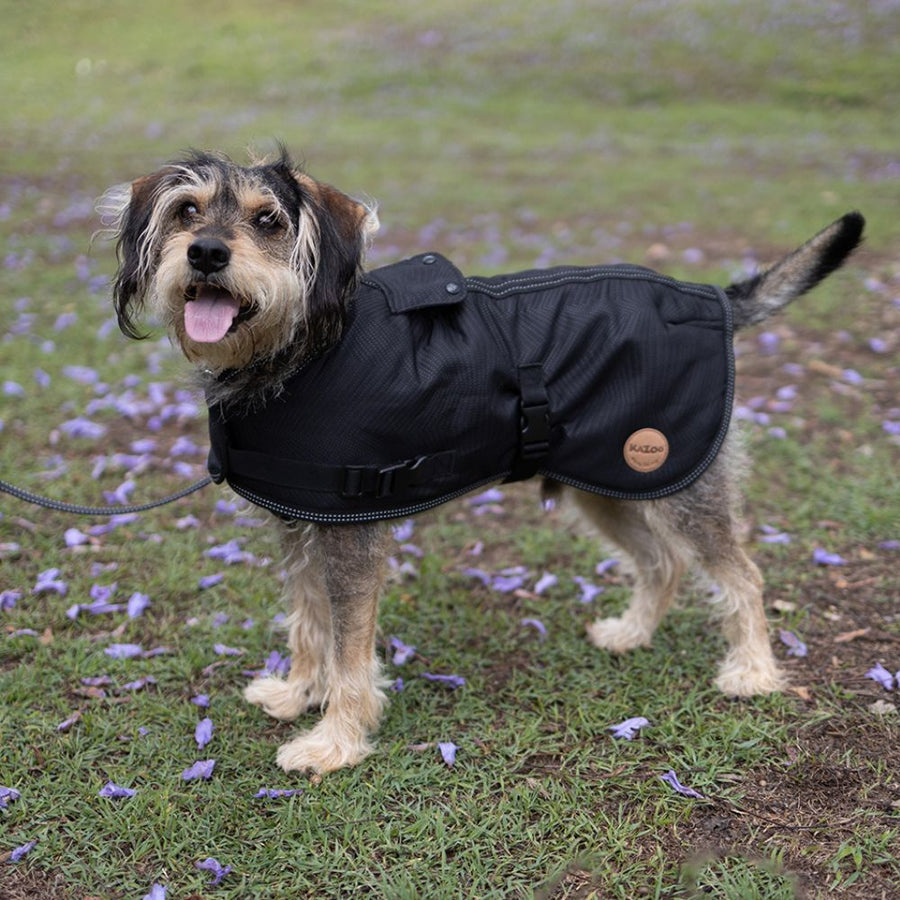
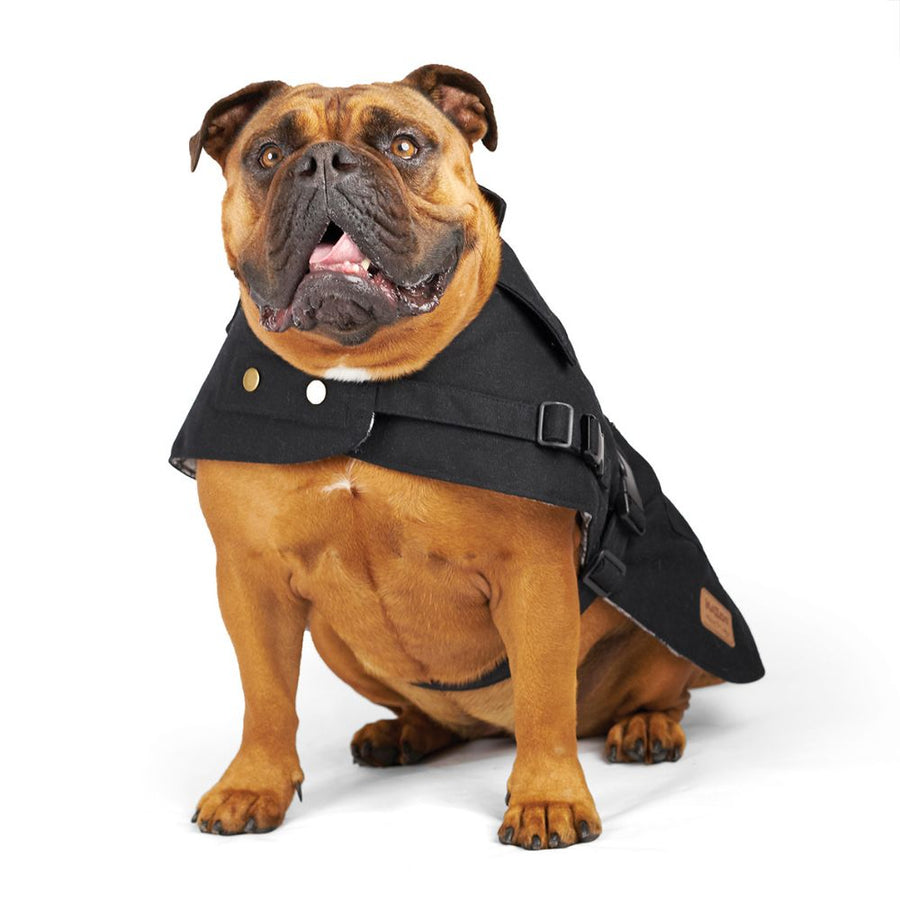
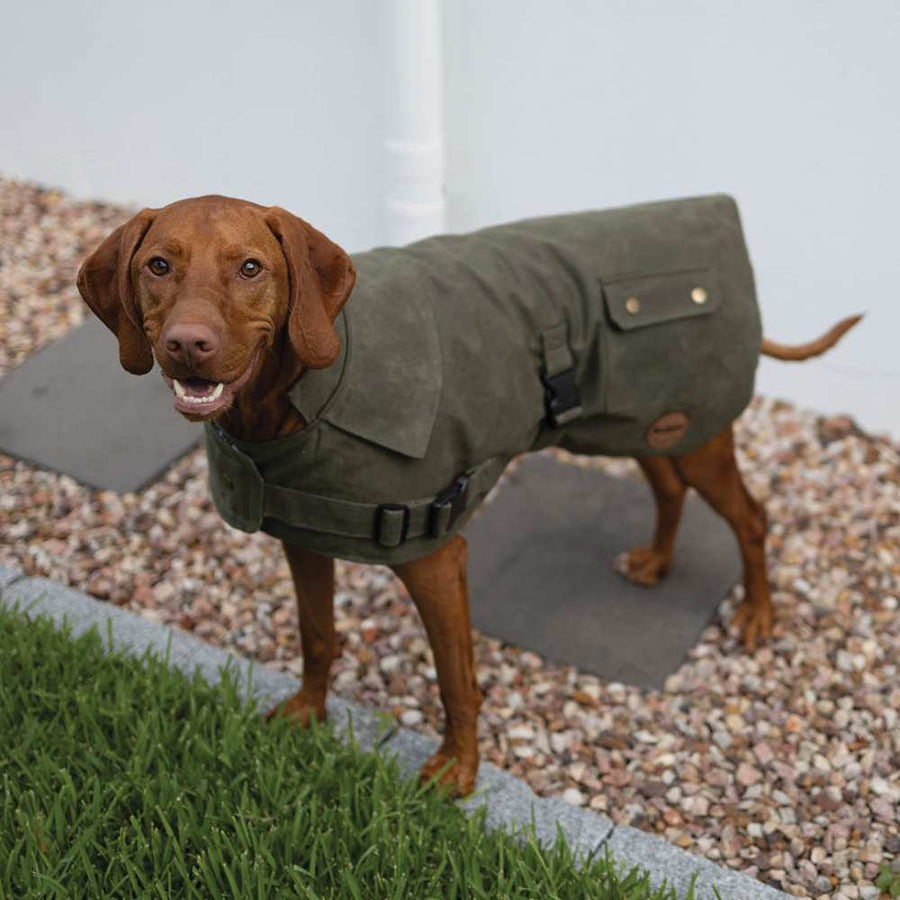
Modern Pets stocks a range of dog raincoats Australia-wide, including waterproof dog coat styles for all breeds, puppy raincoat options for younger dogs, and lightweight dog rain jacket designs built for all-day wear, with free metro shipping on orders over $99.
Why a Dog Raincoat Is Worth It
Most dogs will tolerate getting wet, but that doesn't mean they enjoy it or that it's without consequence. Getting wet in cold weather lowers a dog's body temperature faster than owners typically expect, particularly for:
- Short-coated breeds (Greyhounds, Whippets, Dobermanns, Boxers, Chihuahuas) that lack the natural insulation of a double coat and feel the cold significantly more than dense-coated breeds
- Small breeds whose higher surface-area-to-body-mass ratio means they lose heat faster than larger dogs
- Puppies, whose thermoregulation is less developed than adult dogs
- Senior dogs with arthritis or joint conditions, for whom cold and damp exacerbates joint stiffness and discomfort
- Breeds with skin sensitivities that are prone to irritation from prolonged moisture exposure on the skin
Beyond comfort and warmth, a dog rain coat means a drier dog at the end of the walk. That means less time towelling off at the door, less wet-dog smell in the car or at home, and a dog that's ready to settle rather than shaking water across the furniture.
What to Look for in a Dog Rain Jacket
Waterproofing
Not all waterproof dog coat options are equally water-resistant. Look for:
- Fully waterproof fabric with sealed or taped seams, rather than water-resistant fabric that will eventually soak through during extended rain exposure
- Waterproof rating: Higher ratings (often expressed in mm hydrostatic head) indicate fabric that withstands heavier and more prolonged rainfall, relevant for Australia's significant rainfall events in coastal and tropical areas
A water-resistant (DWR-coated) raincoat for dogs is adequate for light drizzle; a fully waterproof membrane is needed for sustained rain or heavy downpours.
Breathability
Waterproofing without breathability creates a different problem: a dog wearing a fully sealed, non-breathable coat during even moderate exercise will overheat, since the coat traps body heat and moisture from exertion rather than allowing it to escape.
A breathable waterproof dog coat uses membrane technology that blocks water entry from outside while allowing moisture vapour from the dog's body to escape outward; the same principle used in quality human outdoor gear. For active dogs, working dogs, or any dog used to energetic walks, breathability is as important as waterproofing.
Fit and Coverage
A dog rain jacket needs to cover the areas that get wettest: the back, sides, and ideally the chest and belly. Styles vary:
- Back-only coats: Cover the back and sides but leave the belly exposed. Adequate for light rain or short outings.
- Full-coverage coats with belly panel: Extend under the chest and belly, providing protection for the areas that catch splash from the ground. More practical for longer walks or heavier rain.
Fit is critical. A pet raincoat that's too loose will flap and irritate, while one that's too tight restricts movement and causes chafing. The best-fitting raincoats for dogs allow your dog to walk, run, squat, and jump freely without the coat riding up or pulling across the shoulders.
Ease of Putting On and Taking Off
A raincoat your dog resists wearing becomes impractical quickly. Look for:
- Step-in designs that don't require passing anything over the head; important for dogs that are head-shy or resist overhead handling
- Velcro or quick-clip fastenings rather than complex buckle systems, for fast on/off at the door
- Minimum straps under the belly. Straps can irritate sensitive skin and catch on mud and debris
Reflective Elements
Many dog raincoats include reflective strips or detailing that improves your dog's visibility during low-light walks. This is particularly relevant since rainy weather often means reduced ambient light. Reflective elements on the sides and back make a dog significantly more visible to drivers in wet conditions.
Ease of Cleaning
A raincoat used in wet weather will collect mud, debris, and wet-dog odour over time. Look for:
- Machine washable construction: Most quality raincoats for dogs are, but check the care label for temperature limits and any restrictions around tumble drying, which can degrade waterproof coatings over repeated cycles
- Smooth inner lining that doesn't trap mud or debris
- Quick-dry materials that dry between washes without needing a full laundry cycle
Puppy Raincoat: Special Considerations
A puppy raincoat should be sized for your puppy's current measurements rather than their expected adult size. A coat that's too large will slip and restrict rather than protect. Since puppies grow rapidly, consider whether a lower-cost puppy-specific option or an adjustable design makes more financial sense than investing in a premium coat that will be outgrown within months.
Thermoregulation is less developed in puppies than in adult dogs, making warmth and waterproofing more genuinely important for young dogs in cold, wet weather. Introduce the coat gradually at home before the first rainy walk. Allow the puppy to sniff and investigate the coat before putting it on, and pair fitting with treats and positive reinforcement.
How to Measure Your Dog for a Raincoat
Sizing varies between brands, so always measure before purchasing rather than relying on breed name alone:
1. Back length: Measure from the base of the neck (where a collar would sit) to the base of the tail. This is the primary sizing measurement for most dog raincoats.
2. Chest girth: Measure around the widest point of the chest, just behind the front legs. A coat that fits the back length but not the chest girth will be unwearable.
3. Neck girth: Measure around the base of the neck where the coat's neck opening will sit.
Compare all three measurements against the specific product's sizing chart (not just the back length) before purchasing. If your dog falls between sizes, size up for comfort, particularly around the chest.
Introducing a Raincoat to Your Dog
Dogs new to wearing a coat often react with stiffness, reluctance to move, or attempts to shake or wriggle free. This is normal and usually passes quickly with a gradual introduction:
1. Let your dog sniff the coat first: Place it on the floor and allow investigation before putting it on
2. Put the coat on indoors initially without going for a walk, so the dog gets used to the sensation of wearing it in a familiar, calm environment
3. Pair fitting with treats: Reward calm behaviour during and immediately after putting the coat on
4. Keep the first wear short: Five to ten minutes indoors, then remove. Build up the duration over several sessions before the first outdoor walk in the coat
5. Move normally once the coat is on: Walk around at home so the dog sees that movement is unimpeded and the coat is comfortable
Most dogs adapt within two to three sessions. Dogs that remain extremely stressed or refuse to move in a coat despite a gradual introduction may not be suited to wearing one. Forcing an unwilling dog into a coat is counterproductive and can create a lasting negative association.
Note: Guidance on coat suitability for specific breeds, ages, or health conditions is provided for general information. For senior dogs or dogs with joint conditions where cold and damp exacerbate symptoms, consult your veterinarian.