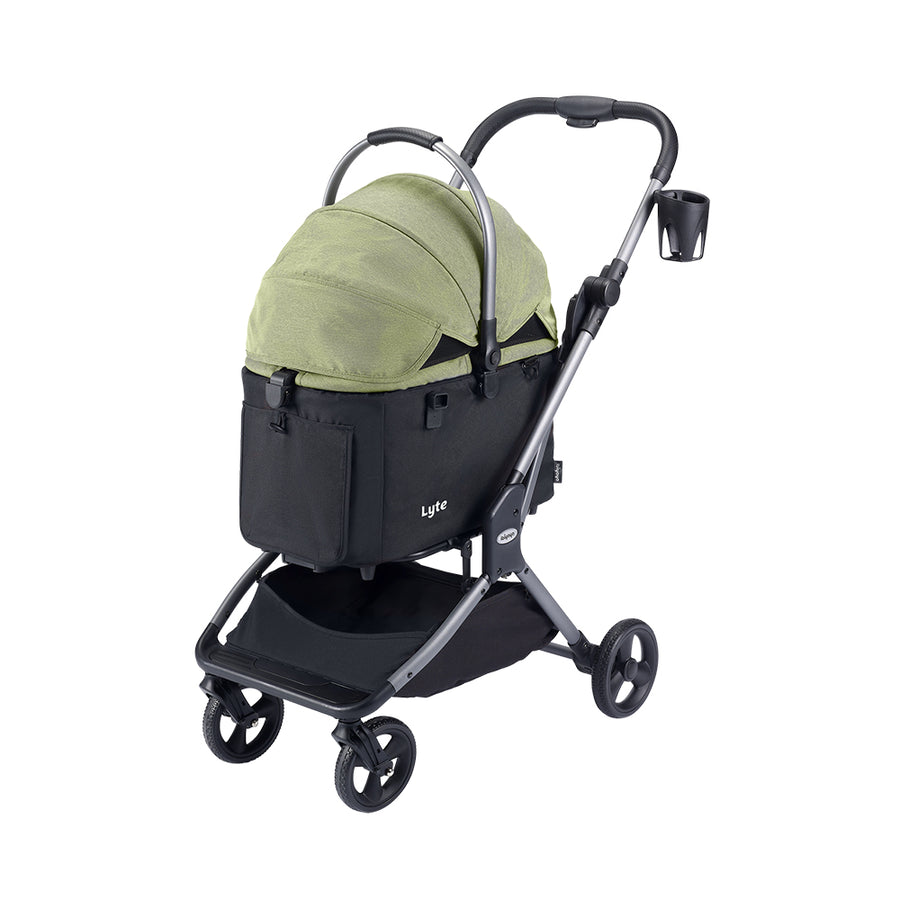
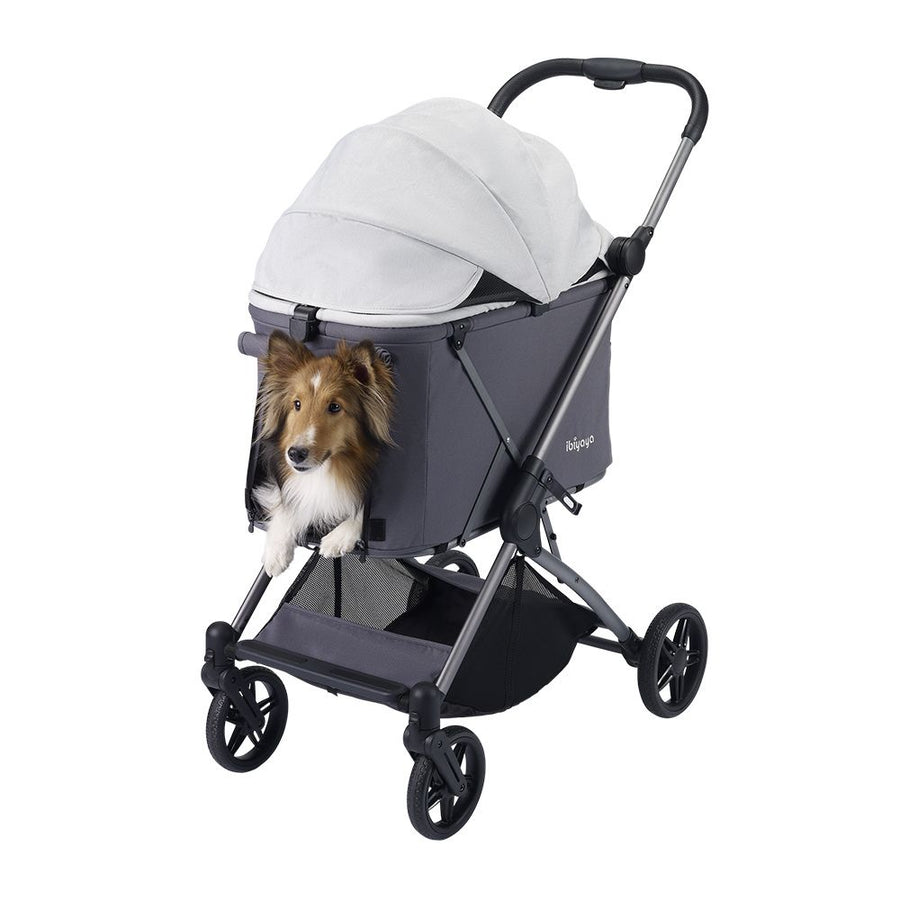
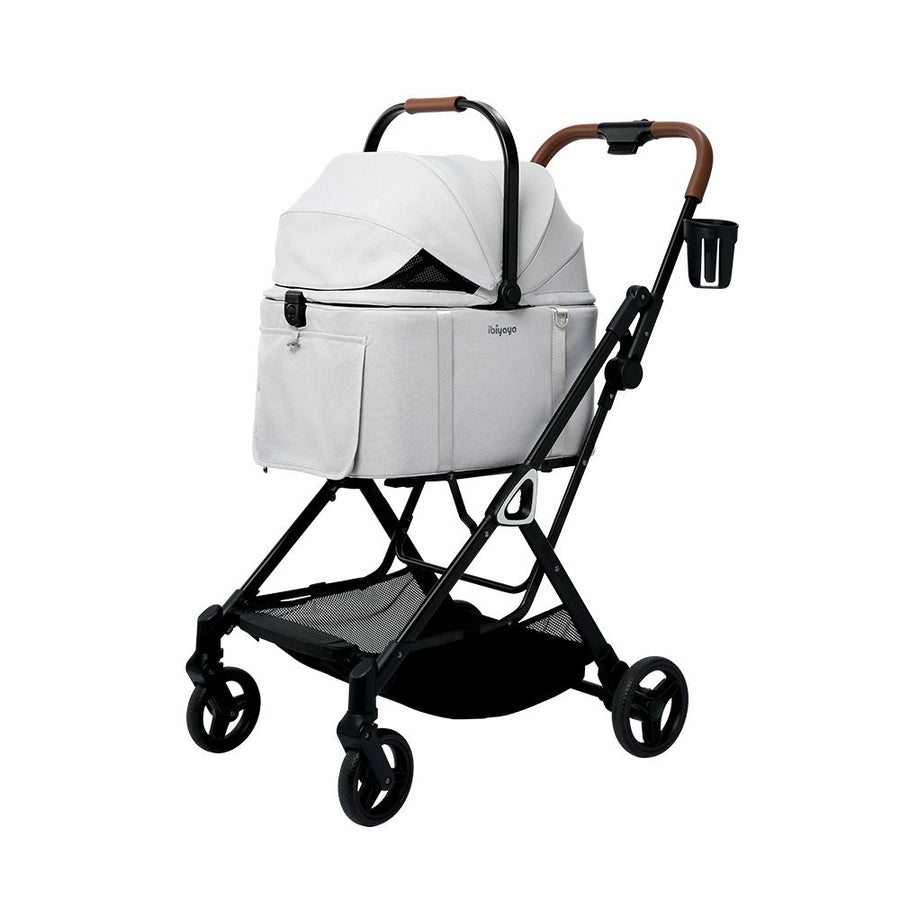
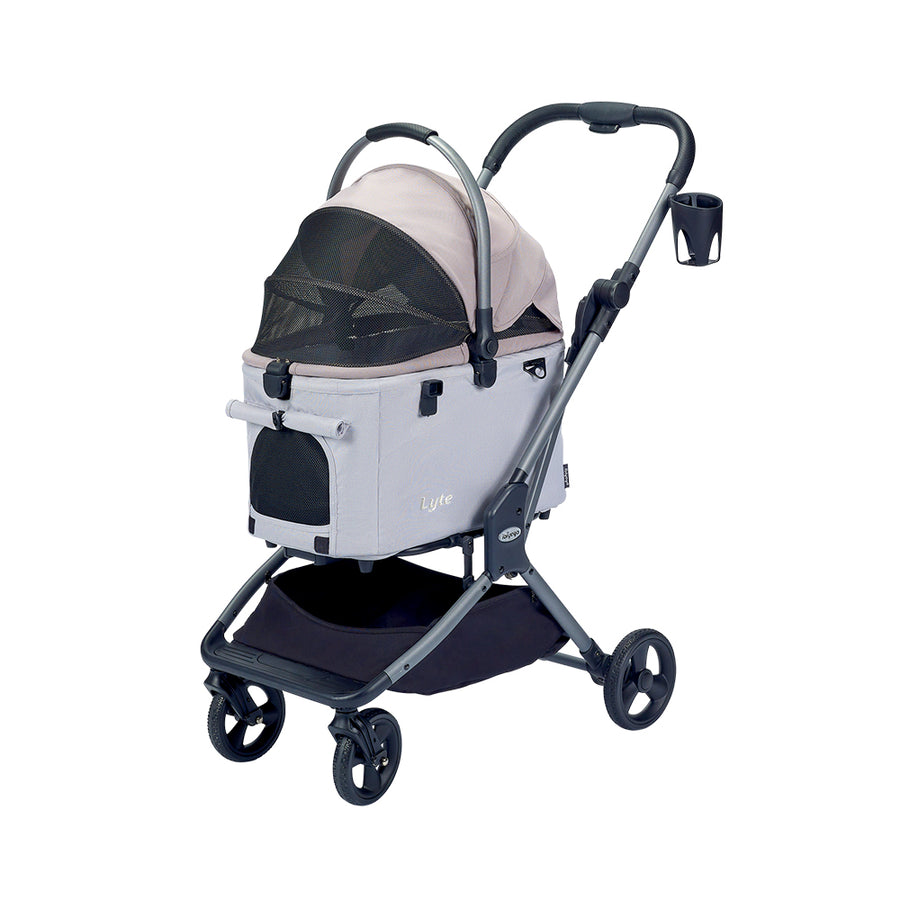
Why Use a Cat Pram?
Indoor cats live longer, healthier lives than outdoor cats on average, but confinement without stimulation carries its own welfare costs. The RSPCA and veterinary behaviourists consistently identify environmental enrichment as a core requirement for indoor cat wellbeing. Regular exposure to outdoor sights, sounds, and smells provides mental stimulation that reduces boredom, anxiety, and stress-related behaviours such as over-grooming or destructive scratching.
A cat stroller is one of the most practical ways to provide this enrichment safely. Unlike harness walking, which suits some cats but requires significant training and is not appropriate for all temperaments, a cat pram requires no training to use and gives the cat full control over their level of engagement with the environment. They can observe, retreat to the back of the pram, or simply nap, entirely on their own terms.
Cat prams are also a significantly more comfortable alternative to hard carriers for vet visits, particularly for cats that find the confinement of a carrier distressing. The larger interior, familiar bedding, and mesh panels that allow the cat to observe their surroundings all contribute to a calmer experience.
Key benefits of a cat pram:
- Safe outdoor access for indoor cats without free-roaming risks
- Mental stimulation and enrichment for cats that cannot or do not go outside independently
- Reduced travel stress compared to hard carriers, particularly for vet visits
- Practical solution for senior cats, post-surgery cats, or cats with mobility limitations
- Allows multi-cat households to take more than one pet out simultaneously
How to Choose the Right Cat Stroller
What weight limit do I need?
Weight capacity is the first specification to check when choosing a pram for cats. Most standard cat strollers are rated for a total weight of 6–8kg, which suits one average-sized adult cat or two small cats. If you have a larger breed, like a Maine Coon, Ragdoll, or British Shorthair, for example, look for a heavy-duty model rated for at least 10–15kg.
For multi-pet use, add the combined weight of all animals and check that it falls within the rated limit. Exceeding the weight limit affects both the structural integrity of the frame and the quality of the ride.
What surfaces can cat prams handle?
Most cat strollers in our range are designed for use on footpaths, smooth park paths, and light grass. For owners who walk on rougher terrain (gravel paths, coastal boardwalks, uneven ground) look for models with larger wheels and a more robust frame. Very rough terrain or hiking trails are outside the intended use of most standard cat prams and may affect the ride quality or frame longevity.
Introducing Your Cat to Their New Cat Pram
Most cats need a gradual introduction to a cat pram, particularly if they are not accustomed to travel. Rushing the process can create a negative association that is difficult to undo. The following approach works for most cats:
Step 1: Let your cat explore the pram at home
Set the pram up in a familiar room with the cabin open and zips undone. Place familiar bedding, a worn item of your clothing, or your cat's favourite toy inside. Allow your cat to investigate, enter, and exit entirely at their own pace. Leave the pram accessible for several days.
Step 2: Feed near and then inside the pram
Once your cat is comfortable around the pram, begin placing their food bowl near the entrance, then gradually inside the cabin over several feeding sessions. Positive associations with food accelerate acceptance significantly.
Step 3: Close the cabin briefly at home
Once your cat is entering and resting in the pram voluntarily, begin closing the mesh panels or zipper for short periods while remaining in the room. Offer treats and stay calm. Gradually extend the time the cabin is closed.
Step 4: Short outings before long ones
Begin with a 5–10 minute walk close to home on a quiet route. Build up duration and distance as your cat's confidence grows. Some cats take to the pram within a week; others need several weeks of gradual introduction.
Anxious cats may need a slower timeline. If your cat shows persistent signs of distress, such as meowing, attempting to escape, or heavy panting, end the session calmly and try again with a shorter duration. Consult your vet if anxiety is severe or persistent.
Cat Prams for Specific Needs
Senior and low-mobility cats
Senior cats and those recovering from surgery or illness benefit enormously from a cat pram. It allows continued outdoor exposure and mental stimulation during periods when walking independently is not possible or safe. Look for a pram with a low entry point or removable cabin floor to make getting in and out easier for cats with joint pain or reduced mobility.
Vet visits
A cat stroller is an excellent alternative to a hard carrier for vet visits. The larger interior reduces the claustrophobic effect of a carrier, the familiar bedding from home provides comfort, and the mesh panels allow the cat to observe their surroundings rather than being confined in darkness. Many cats that find carrier travel extremely stressful tolerate a pram significantly better. Confirm with your vet's reception that a pram is practical for their waiting room layout before your first visit.
Multi-cat households
If purchasing for two cats, ensure the interior floor space is sufficient for both animals to lie down comfortably and that the total weight of both cats is within the rated limit. Two cats that are bonded and comfortable in close proximity are more likely to travel well together.
Caring for Your Cat Stroller
Regular maintenance keeps the pram hygienic and functional:
- Mesh panels: Wipe down with a damp cloth after each use. For thorough cleaning, check whether the mesh panels are removable and machine washable.
- Cabin interior: Remove and wash the interior pad or mattress regularly, particularly after outdoor use. Use a pet-safe detergent.
- Frame and wheels: Wipe the frame down with a damp cloth. Check wheel condition periodically, especially if used on rough surfaces.
- Zippers: Keep zipper teeth clean and run a small amount of zipper lubricant along the teeth occasionally to prevent sticking.
- Storage: Fold and store in a dry location. Prolonged sun exposure can degrade mesh and plastic components over time.
Note:Guidance on cat welfare, enrichment, and travel is provided for general information. For cats with health conditions, mobility issues, or significant anxiety, consult your veterinarian before beginning outdoor outings.