Why Breakaway Design Matters for Cat Collars
Unlike dog collars, a cat collar should almost always include a breakaway or quick-release buckle; and this isn't a minor feature, it's the single most important safety consideration when choosing one.
Cats are natural climbers and explorers, and a standard, non-breakaway collar can catch on fence palings, tree branches, furniture, or even another cat's claws during play or a scuffle. Without a quick-release mechanism, a caught collar can result in serious injury, including strangulation or limb entrapment if a cat tries to free a paw caught under the collar while struggling. A breakaway collar pops open under a moderate amount of sustained pressure, releasing the cat before this can happen.
This is why most veterinarians and animal welfare organisations specifically recommend breakaway collars for any cat with outdoor access, and many now advise against non-breakaway designs for cats entirely, regardless of lifestyle. If you're choosing between a fashion-first collar and a safety-first one, breakaway design should be the deciding factor, not an afterthought.
Types of Cat Collars
Breakaway Safety Collars
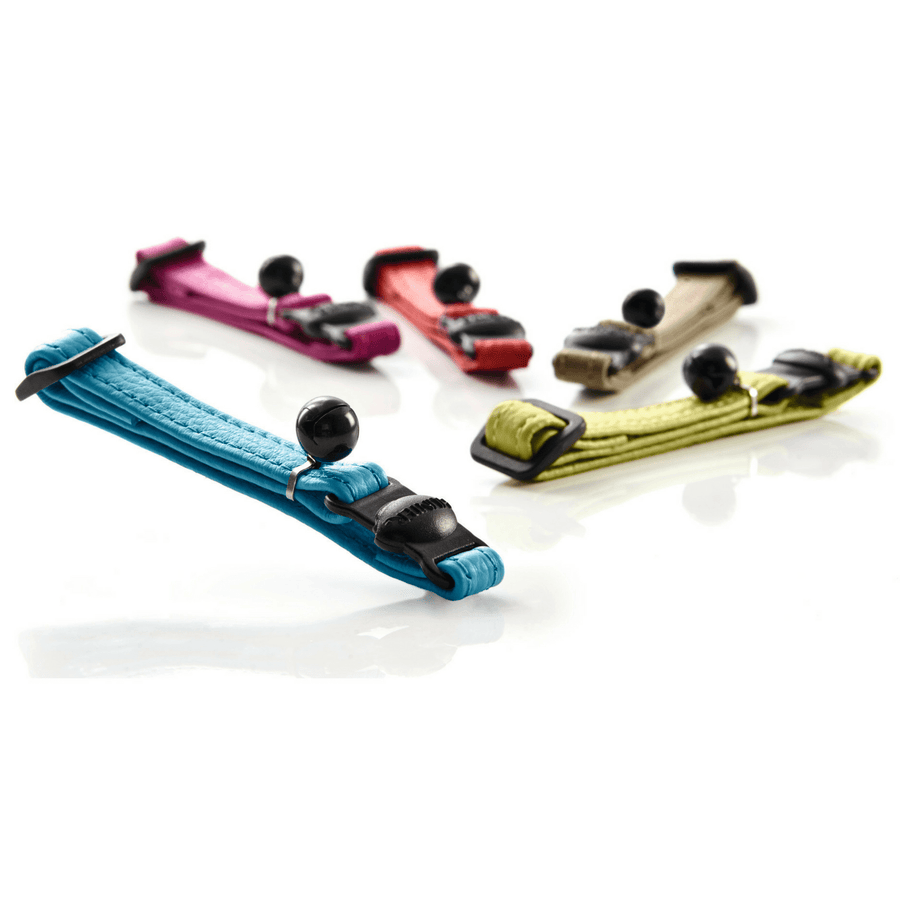
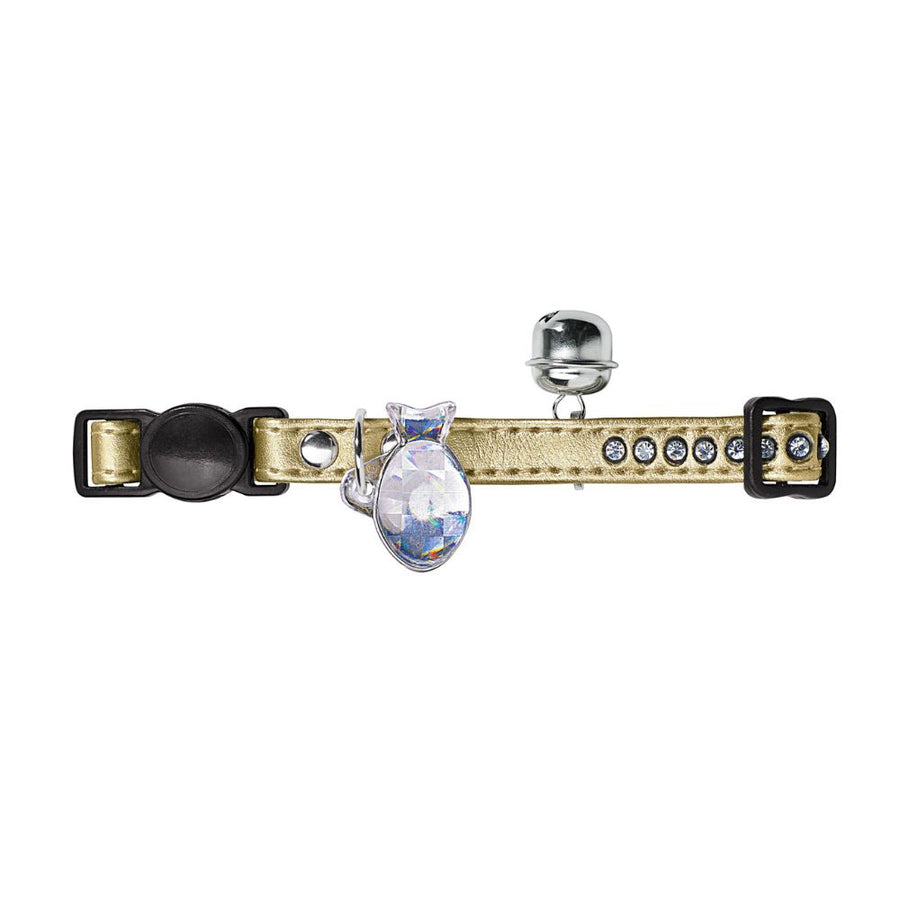
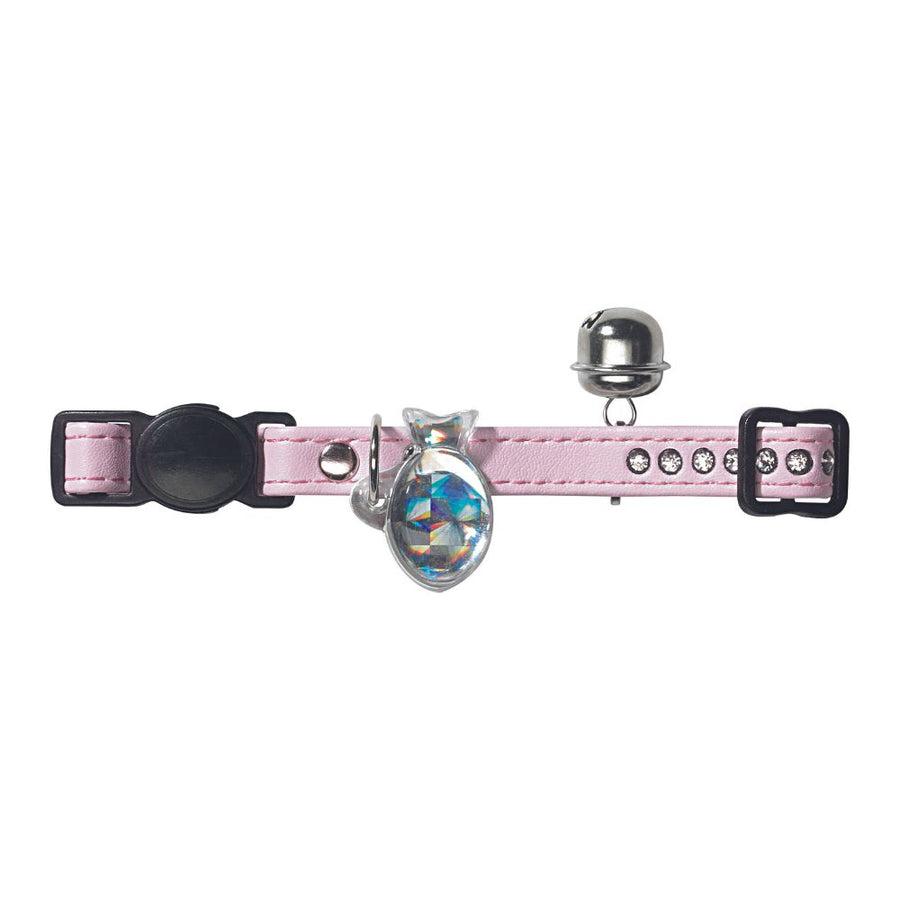
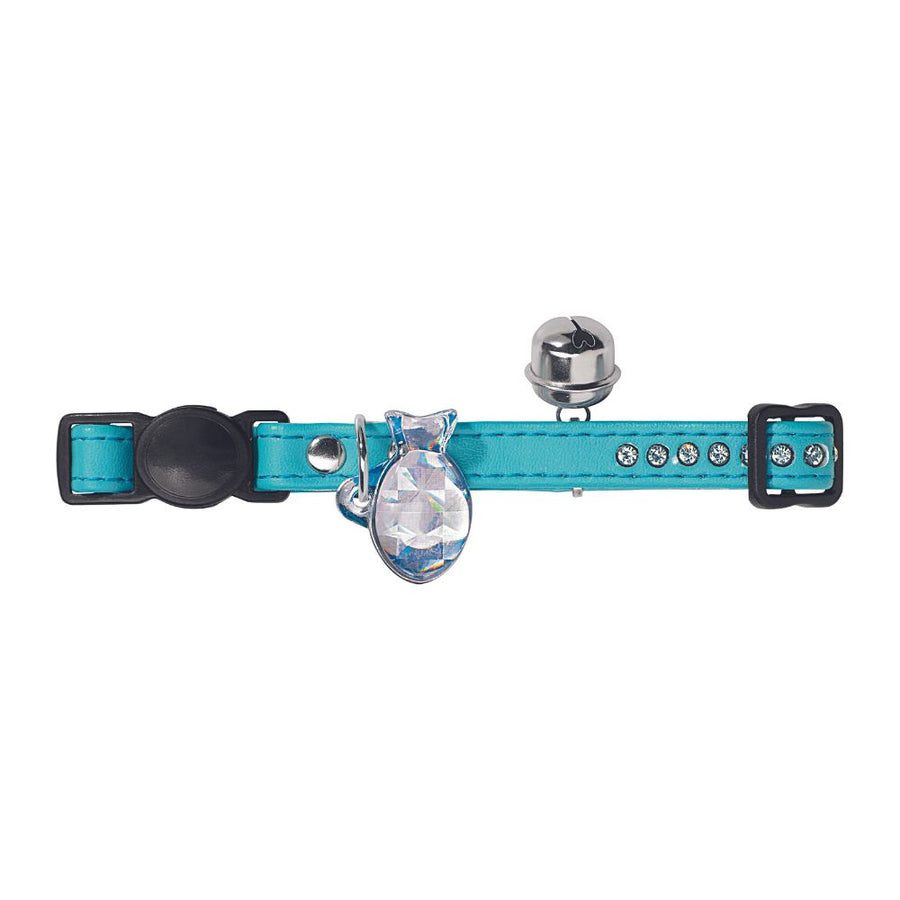
A breakaway cat collar uses a buckle designed to release under pressure if your cat gets caught on something, while still staying securely fastened during normal daily wear, play, and grooming. This is the standard recommendation for any cat with outdoor access and a sensible default even for indoor-only cats, given that escapes happen.
Leather Cat Collars
A leather cat collar offers a more durable, classic look than fabric alternatives, and tends to soften and mould to your cat's neck shape over time rather than fraying. Genuine leather is breathable and generally well-tolerated against skin, though it should still be a breakaway design. Leather collars with a metal buckle closure don't automatically include a quick-release function, so check this specifically before purchasing rather than assuming material implies safety.
Personalised Cat Collars
A personalised cat collar has your contact details, your cat's name, or both embroidered or engraved directly onto the collar itself. This is useful as a backup identification method alongside or instead of a separate hanging tag, which can fall off or get caught more easily than a flat, integrated design. This is a popular option for indoor cats that don't wear a tag day-to-day but still need identification in case they slip outside unexpectedly.
AirTag Cat Collars
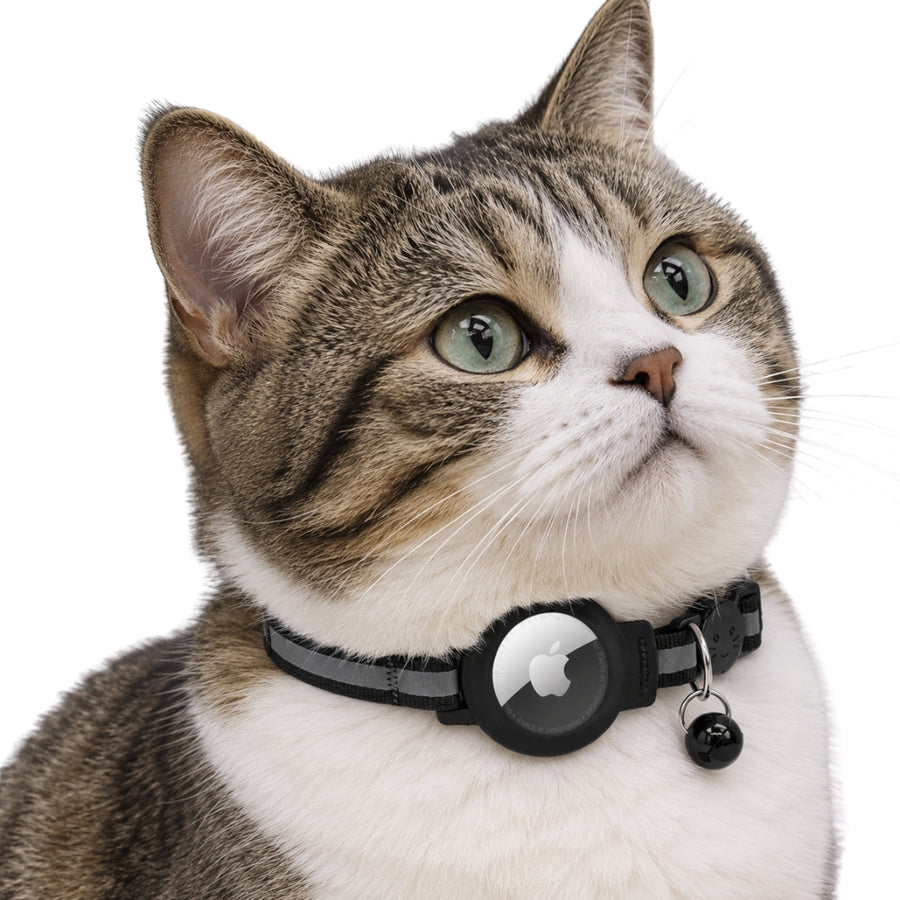
An AirTag cat collar includes a dedicated holder or pocket designed to securely house an Apple AirTag or similar Bluetooth tracking tag, allowing you to locate your cat via a smartphone app if they go missing. The holder should fit snugly enough that the tag can't be knocked loose during normal cat activity (jumping, squeezing through gaps, rolling) but still allow easy removal for charging or battery replacement. An AirTag cat collar should still include a breakaway buckle. Tracking capability doesn't replace the safety function of quick-release design, and the two features work together rather than substituting for each other.
Reflective Collars
Reflective collars use strips or threads that catch light, significantly improving your cat's visibility to drivers and pedestrians during dawn, dusk, or evening outings. This is a genuinely useful safety feature for any cat that spends time outdoors after daylight hours.
How to Choose the Right Cat Collar
Sizing
Measure your cat's neck where the collar will sit, then allow enough room for two fingers to fit comfortably between the collar and the neck. This ensures a secure fit that's neither tight enough to cause discomfort nor loose enough to slip over the head or catch on objects more easily. Recheck the fit periodically, particularly for kittens (who grow quickly) and any cat that gains or loses weight.
Collar vs. harness
A collar is suitable for everyday wear, ID purposes, and light outdoor access. A harness provides significantly more control and security for supervised outdoor walks, leash training, or travel in unfamiliar environments, since a cat can more easily slip out of a collar than a properly fitted harness if startled. Many cat owners use a collar for everyday identification and a separate harness specifically for active outdoor sessions. The two aren't mutually exclusive, and serve different purposes.
Material
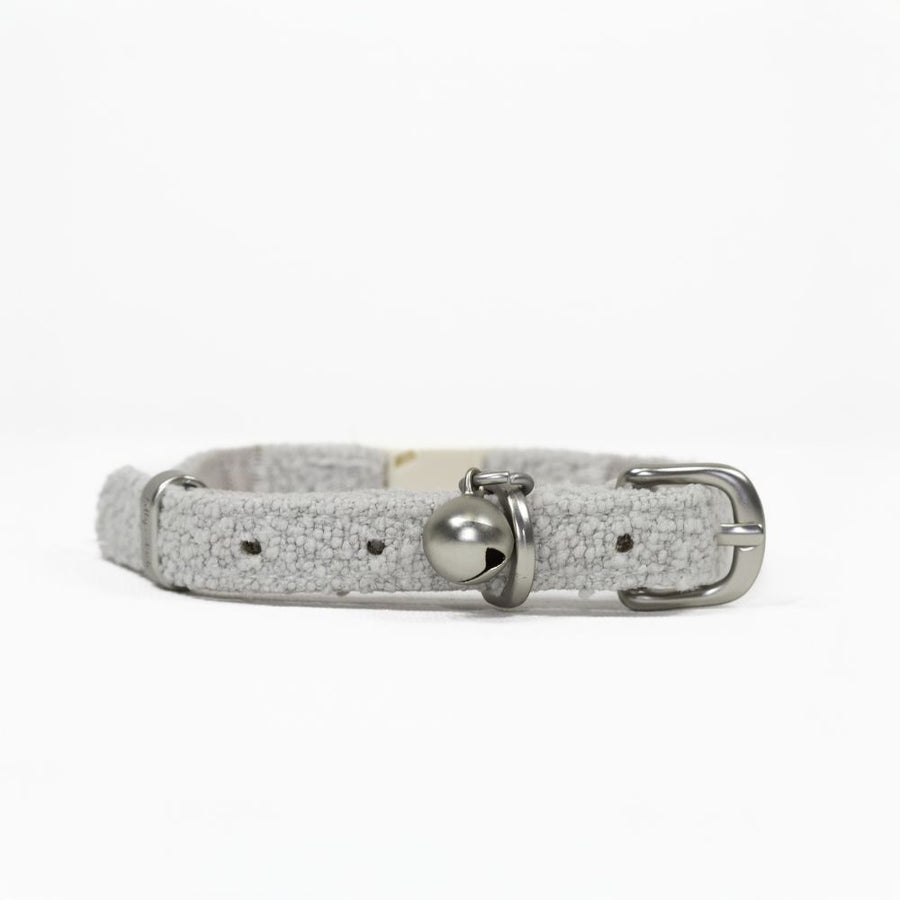
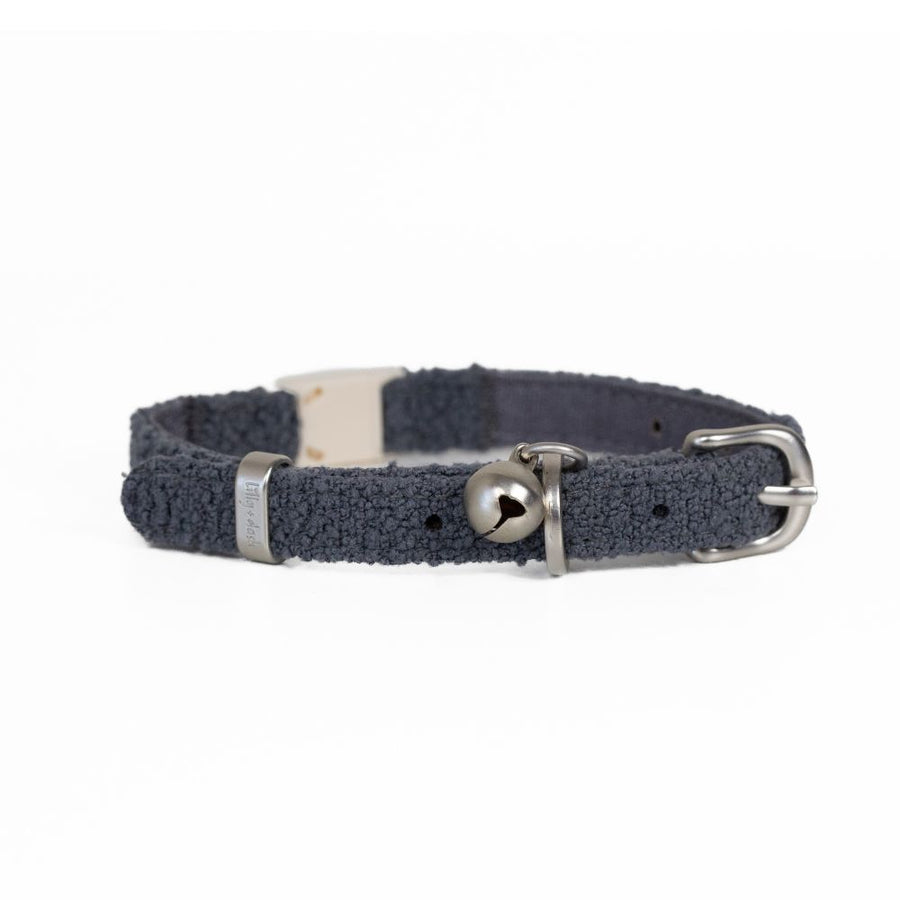
Beyond leather, common collar materials include nylon (lightweight, affordable, widely available in breakaway designs) and fabric/cotton blends (softer against the skin, good for cats with sensitive skin or allergies to synthetic materials). Whatever the material, breakaway function matters more than material choice for safety purposes.
Introducing a Collar to Your Cat
Cats that have never worn a collar often scratch at it or try to remove it initially. This is normal and usually settles within a few days to a couple of weeks:
1. Let your cat investigate the collar first: Let them sniff and examine it before putting it on.
2. Put it on for short periods initially: 10–15 minutes at a time, ideally paired with a treat or playtime to build positive association.
3. Gradually extend wear time over several days as your cat stops reacting to it.
4. Check the fit regularly during the introduction period. If your cat is scratching excessively or the collar seems to be causing irritation rather than just unfamiliarity, recheck the fit before assuming it's simply an adjustment period.
Note:Safety guidance regarding breakaway collar design is provided as general information. For specific advice on collar and harness use for your cat's lifestyle, consult your veterinarian.