




The right dog bowl does more than hold food and water. It can reduce mess, support better posture, slow down a dog that eats too fast, and lower the risk of genuine health issues like bloat.
Modern Pets stocks a full range of dog bowls, including standard feeding bowls, slow feeder dog bowl designs, elevated and raised dog bowl stands, ceramic dog bowl options, and collapsible dog bowls for travel, with free metro shipping on orders over $99.
Dog bowls aren't a purely cosmetic choice. Three genuine health and safety considerations sit behind the most common bowl features:
Bloat risk in deep-chested breeds: Gastric dilatation-volvulus (commonly called bloat) is a serious, sometimes fatal condition where the stomach fills with gas and can twist. It is a genuine veterinary emergency, not a minor digestive upset. Large, deep-chested breeds including Great Danes, Boxers, German Shepherds, Weimaraners, and Standard Poodles are at significantly higher risk, and eating too quickly is a recognised contributing factor. A slow feeder dog bowl is a genuine, vet-recommended tool for reducing this risk in susceptible breeds, not just a gimmick for fussy eaters.
Posture and neck strain: Dogs with arthritis, older dogs with reduced neck mobility, and dogs with megaesophagus (a condition affecting the oesophagus's ability to move food to the stomach) can benefit from an elevated dog bowl that reduces how far they need to lower their head and neck to eat. This isn't relevant for every dog, but for the conditions above, a raised dog bowl is a genuinely useful, often vet-suggested adjustment.
Hygiene and material safety: Bowl material affects bacterial buildup, scratching and, for some dogs, skin reactions around the muzzle. See the materials comparison below.
A standard dog bowl or dog water bowl suits most healthy adult dogs with no specific eating, posture, or health considerations. Available in stainless steel, ceramic, and plastic, in sizes suited to toy breeds through to giant breeds.
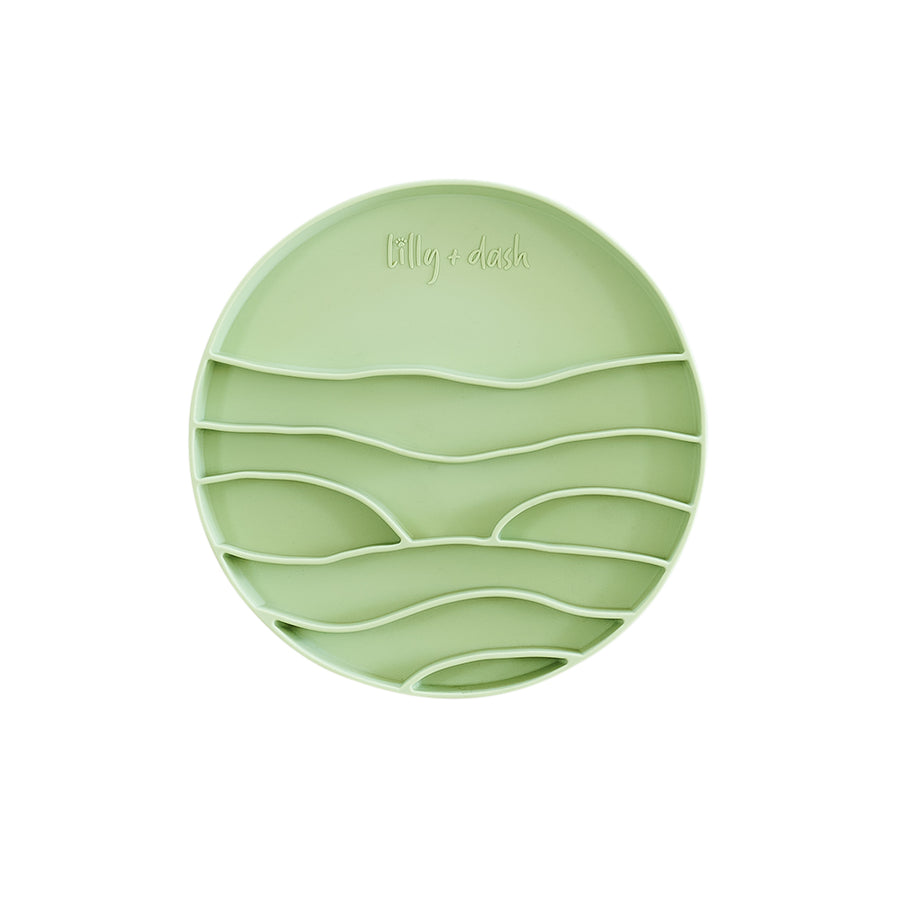
A slow feeder dog bowl uses raised ridges, mazes, or patterned obstacles inside the bowl that force a dog to eat around or through them rather than gulping food directly. This slows eating speed significantly, which helps with:
Slow feeder dog bowls are suitable for puppies as well as adult dogs, though very young puppies may need a simpler, shallower pattern until they build confidence with the design.
An elevated dog bowl or dog bowl stand raises the feeding position off the floor, reducing how far a dog needs to lower their head and neck to eat. This is most relevant for:
Choosing the right height: As a general guide, the bowl rim should sit roughly level with your dog's chest/elbow height when standing normally. Stands are often adjustable across two or three height settings to accommodate growth or to suit multiple dogs of different sizes. There's ongoing debate in veterinary circles about whether elevated bowls reduce or potentially increase bloat risk in some at-risk breeds. If your dog is a breed prone to bloat, discuss bowl height with your vet rather than assuming raised is automatically better.
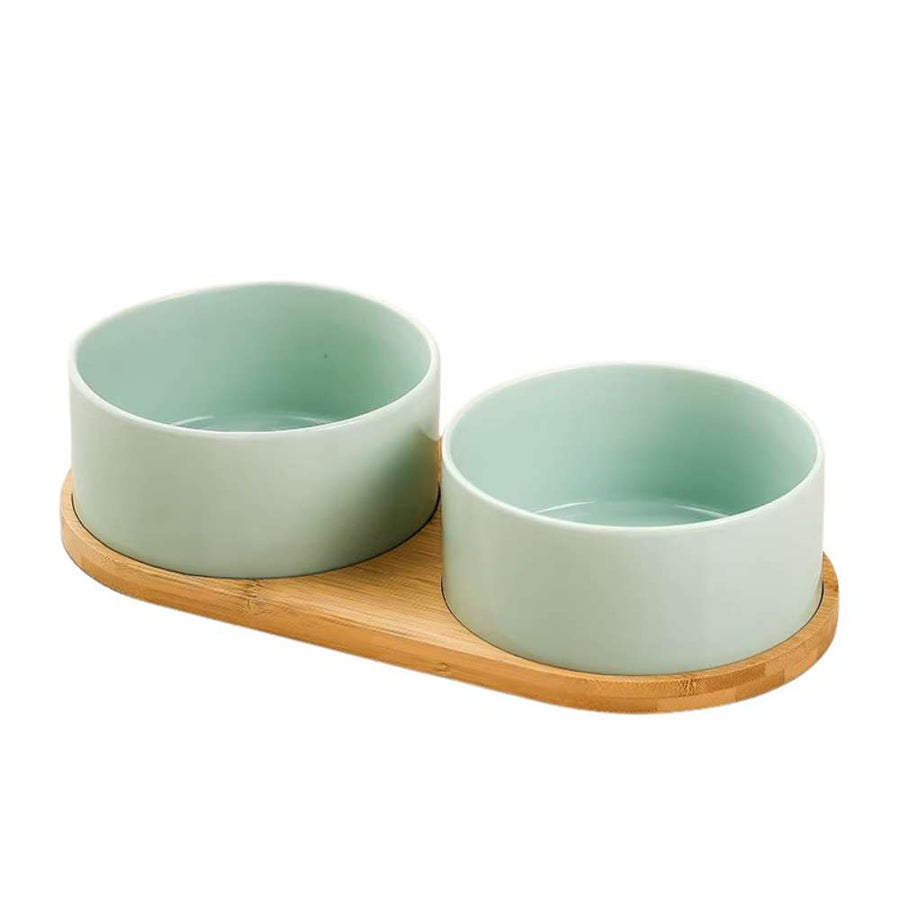
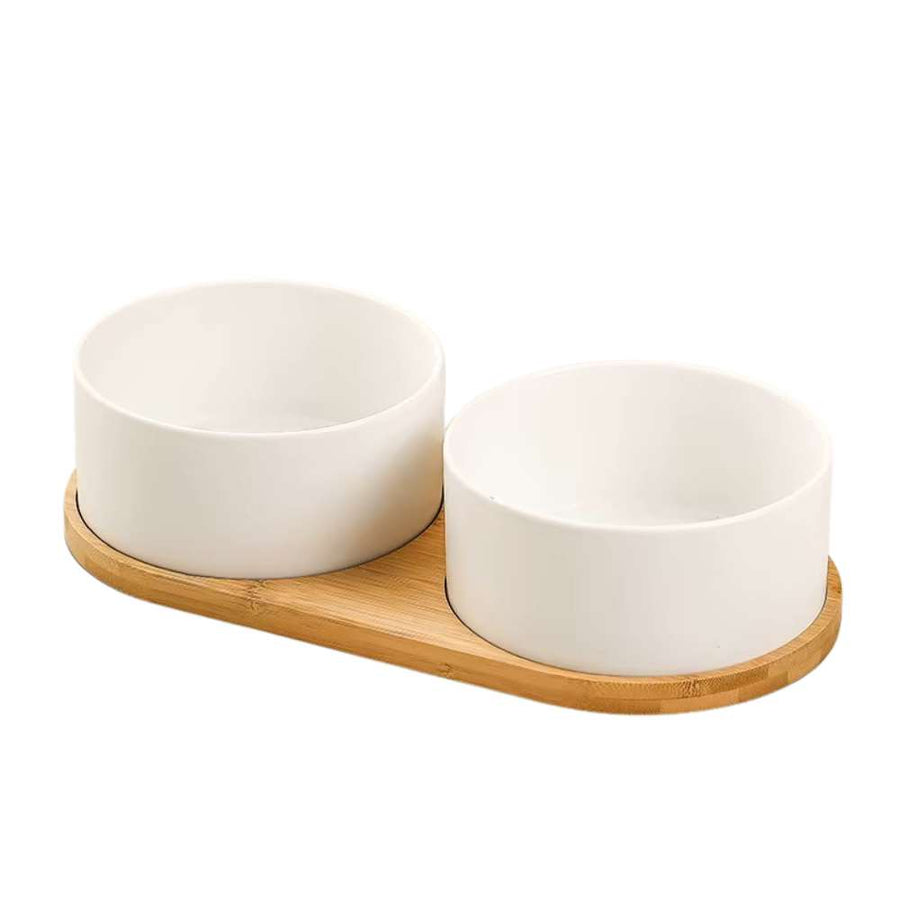
A ceramic dog bowl offers a heavier, more stable base than plastic (harder for an enthusiastic eater to push around the floor), a non-porous glazed surface that resists bacterial buildup and odour retention, and a wide range of styles that suit households wanting bowls that look good left out in a kitchen or living space.
The trade-off is weight and fragility. Ceramic bowls are heavier to move and can chip or break if dropped, which matters more in households with multiple energetic dogs.
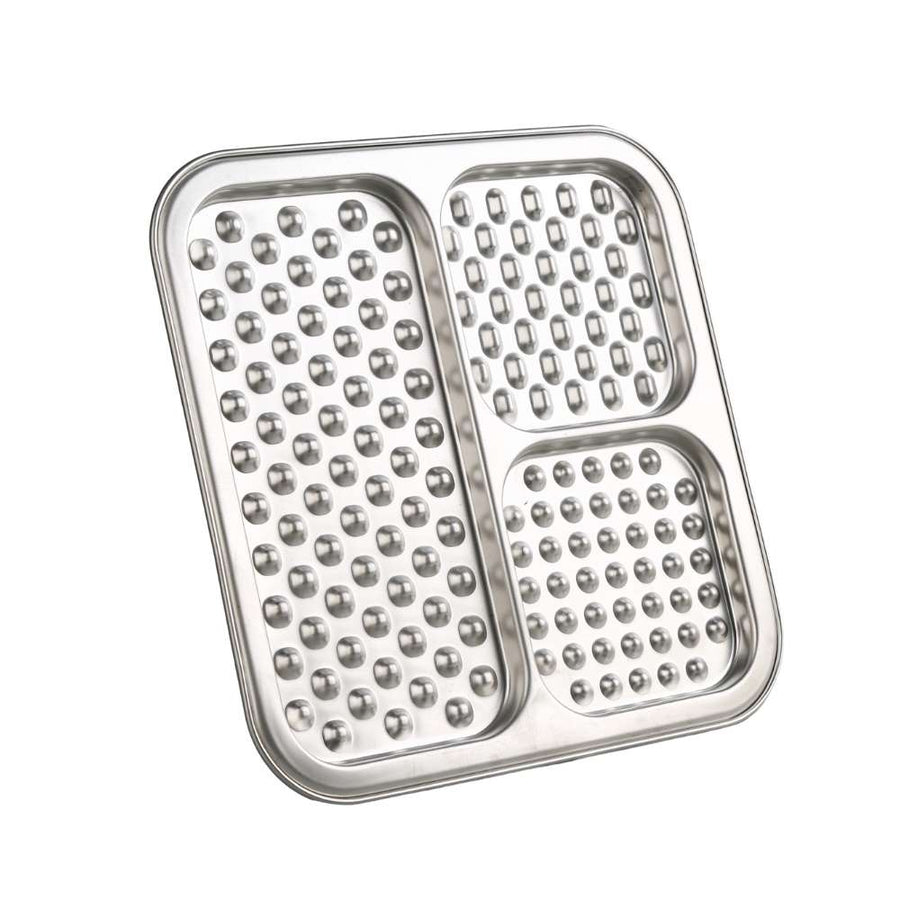
Stainless steel is the most hygienic widely available material. It doesn't scratch the way plastic does, scratches are where bacteria most readily accumulate, and it doesn't retain odours. It's lightweight, dishwasher safe, and highly durable. The main downside for some dogs is noise (steel can clatter on hard floors) and the cold surface temperature in winter, which a small number of dogs are sensitive to.
Plastic is the lightest and most affordable option, available in the widest range of colours and designs. The genuine consideration with plastic is that repeated use causes fine surface scratches over time, and these scratches can harbour bacteria that regular washing doesn't fully reach. Some vets and owners also link prolonged plastic bowl use to muzzle irritation or "chin acne" in sensitive dogs. If you notice skin irritation around your dog's chin or muzzle, switching to stainless steel or ceramic is a reasonable first troubleshooting step.
A collapsible dog bowl made from food-grade silicone folds flat for storage and travel, making it the most practical option for walks, car trips, and camping. They're easy to rinse, dry quickly, and take up minimal space in a bag, though they're generally not intended for long-term daily use at home, where a sturdier standard bowl performs better.
Bowl capacity should match your dog's size and typical meal portion, not just look proportional:
Always check your dog's actual daily food portion (as recommended by your vet or the food packaging) against the bowl's capacity. A bowl that's too small means frequent refilling and spillage; one that's too large can make portion control harder to track visually.
Our range includes standard feeding bowls, slow feeder dog bowl designs with ridges or mazes to reduce gulping, elevated and raised dog bowl stands, ceramic dog bowl and stainless steel options, and collapsible dog bowls for travel. Each style addresses a different need (material preference, eating speed, posture support, or portability) so the right choice depends on your dog's specific habits and any health considerations.
Start with your dog's size to determine capacity, then consider any specific needs: a slow feeder dog bowl for fast eaters or breeds prone to bloat, an elevated dog bowl for senior dogs or those with joint or swallowing conditions, and a material choice (stainless steel, ceramic, or plastic) based on hygiene priorities and how the bowl will be used day to day.
Raised or elevated dog bowls can help dogs with arthritis, age-related joint stiffness, or megaesophagus eat in a more comfortable posture by reducing how far they need to lower their head and neck. However, the relationship between elevated bowls and digestive conditions like bloat is debated in veterinary circles. Some research has questioned whether raised bowls increase bloat risk in certain large breeds. If your dog is a breed prone to gastric dilatation-volvulus, discuss bowl height with your vet rather than assuming elevation is automatically beneficial.
A slow feeder dog bowl has raised ridges or maze-like patterns that force your dog to eat around obstacles rather than gulping food directly, significantly slowing eating speed. This helps reduce gulping, choking, and regurgitation, and is a genuine, vet-recognised tool for lowering bloat (gastric dilatation-volvulus) risk in deep-chested breeds such as Great Danes, Boxers, and German Shepherds, where rapid eating is a known contributing factor to this serious condition.
Stainless steel and ceramic dog bowls are the easiest to keep hygienic. Both have non-porous surfaces that resist scratching and don't retain bacteria or odour the way scratched plastic can. Plastic bowls develop fine surface scratches with use that are harder to fully clean and have been linked by some vets to skin irritation around sensitive dogs' muzzles. Collapsible silicone bowls are easy to rinse but should be allowed to dry fully before folding, as trapped moisture promotes bacterial growth.
Yes, most bowl styles work for either food or water, though a dog water bowl benefits from a wider opening and slightly larger capacity than a food bowl, particularly for active dogs or in warm weather when water intake increases. Dual dish sets keep both in one stand, which is convenient but means checking water levels doesn't double as a reminder for the next meal.
Yes. Separate bowls support better hygiene (food residue in a shared bowl can contaminate water faster than most owners notice) and ensure water is always available rather than being intermittently displaced by food. This is particularly important in warm weather, when dogs need consistent access to fresh water throughout the day, not just at mealtimes.
As a general guide, the bowl rim should sit roughly level with your dog's chest or elbow height when standing normally; high enough to reduce neck-lowering, not so high that the dog needs to stretch upward. Many dog bowl stands offer adjustable height settings to suit growing puppies or multiple dogs of different sizes within the same household.
© Modern Pets All Rights Reserved | Terms of Use | Privacy Policy